AI-driven respiratory assessment to help you evaluate your dog’s breathing patterns—supporting, not replacing, your veterinarian’s expertise.
Rapid breathing (medically termed tachypnea) can indicate anything from normal thermoregulation to serious pulmonary, cardiac, or metabolic conditions. Respiratory rate, effort, and accompanying signs provide critical diagnostic information requiring objective evaluation.
While many causes are benign and self-limiting, progressive or persistent tachypnea may signal conditions requiring timely intervention. Our AI triage tool helps you document respiratory patterns systematically, so you arrive at your veterinary appointment prepared with meaningful observational data.
Clinical patterns and potential underlying conditions to discuss with your veterinarian.
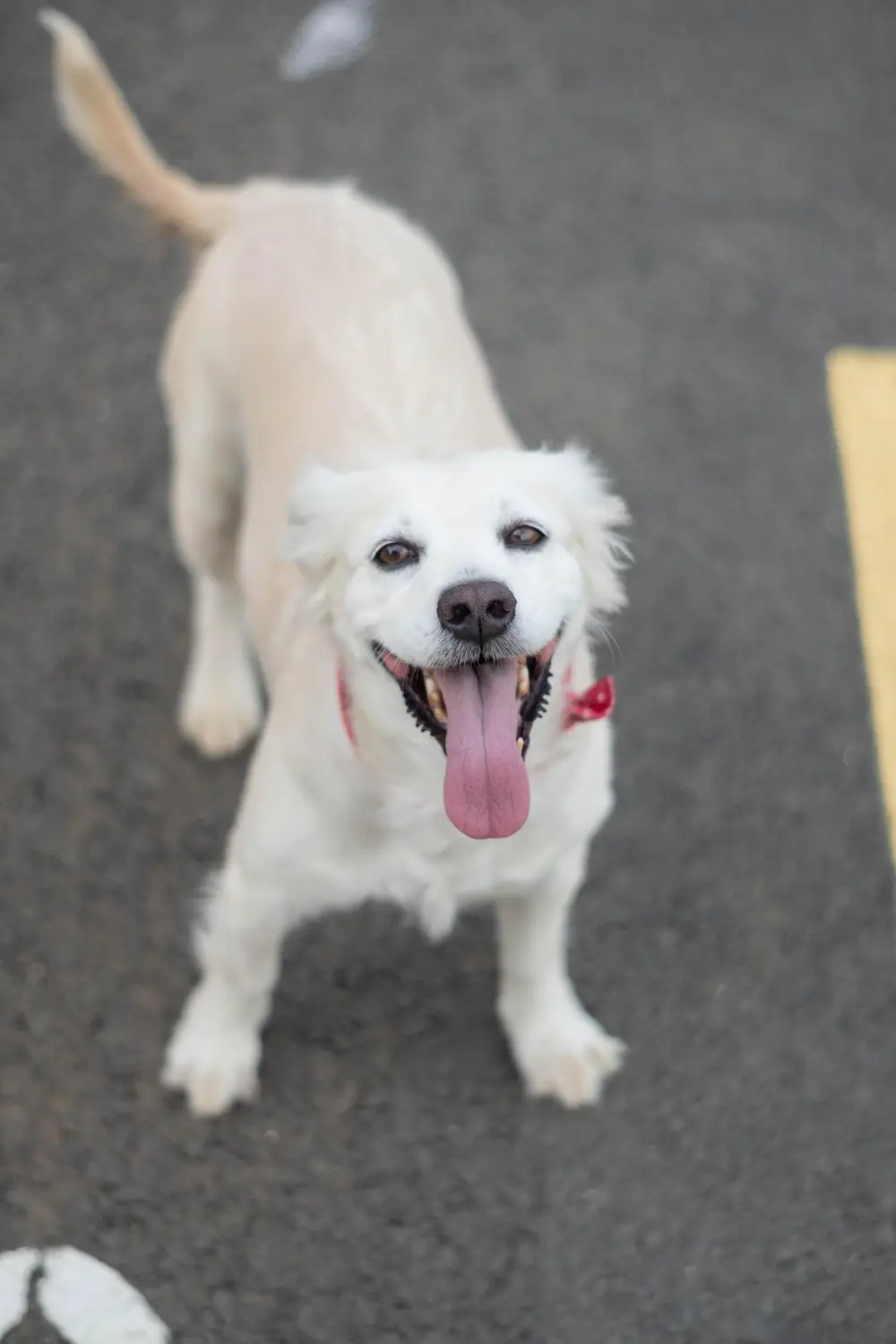
Panting is a normal cooling mechanism; typically resolves within 10 minutes of rest in a cool environment.
Emotional triggers cause transient tachypnea; breathing normalizes when the stressor is removed or the dog calms.
Excess weight increases respiratory effort; rate may be elevated at rest and during mild activity.
Bronchitis or pneumonia causes increased respiratory rate, coughing, and nasal discharge requiring veterinary evaluation.
Cardiac conditions reduce oxygen delivery; elevated resting rate with coughing or exercise intolerance warrants investigation.
Life-threatening elevation of body temperature causing rapid, labored breathing; requires immediate emergency intervention.
Clinically safe, non-invasive steps you can take immediately to assess your dog's breathing, provide comfort, and gather the exact information your veterinarian needs.
If your dog is breathing fast and you're unsure of the severity, Veterinary AI provides real-time clinical triage—helping you distinguish between normal thermoregulation and conditions requiring urgent care with clarity and confidence.
TESTIMONIALS
Clinical guidance is most valuable when objective assessment supports informed decision-making.
When your dog is breathing fast and you're uncertain about the severity, Veterinary AI provides evidence-based triage to distinguish normal panting from conditions requiring diagnostic evaluation.
If rapid breathing persists beyond 30 minutes at rest, or your dog shows coughing, lethargy, exercise intolerance, or gum discoloration, Veterinary AI helps you compile a timeline and severity score for your veterinarian.
When you need clinically-grounded guidance before your veterinary visit, Veterinary AI generates a comprehensive symptom report—capturing respiratory rate, breathing effort, gum color, and associated signs for your veterinarian.
Red flags that require urgent veterinary attention — and how Veterinary AI supports each critical decision.
Flexible, cancel anytime
Best value for your pet
Just €7.58/month
Veterinary AI provides clinical triage support and educational information based on veterinary data. This service is not a diagnostic tool, does not replace professional veterinary consultation, and cannot be relied upon for definitive diagnosis or treatment decisions. Always consult a licensed veterinarian for medical evaluation, diagnosis, and treatment options tailored to your pet’s specific health needs.
Everything you need to know about rapid breathing in dogs and how Veterinary AI can help. Can't find what you're looking for?
Contact UsNormal resting respiratory rate for dogs is 15-35 breaths per minute. Count when sleeping or resting quietly for most accurate measurement.
Seek veterinary attention if respiratory rate exceeds 35 breaths per minute at rest, or if accompanied by coughing, lethargy, or pale gums.
Yes, emotional stress, fear, or excitement can cause transient tachypnea that typically resolves when the dog calms or the stressor is removed.
Rapid breathing during sleep may indicate pain, fever, respiratory disease, or cardiac conditions. If persistent, veterinary evaluation is recommended.
Move to a cool environment, offer fresh water, and monitor. If panting persists beyond 10 minutes of rest, or signs of distress appear, contact your veterinarian.