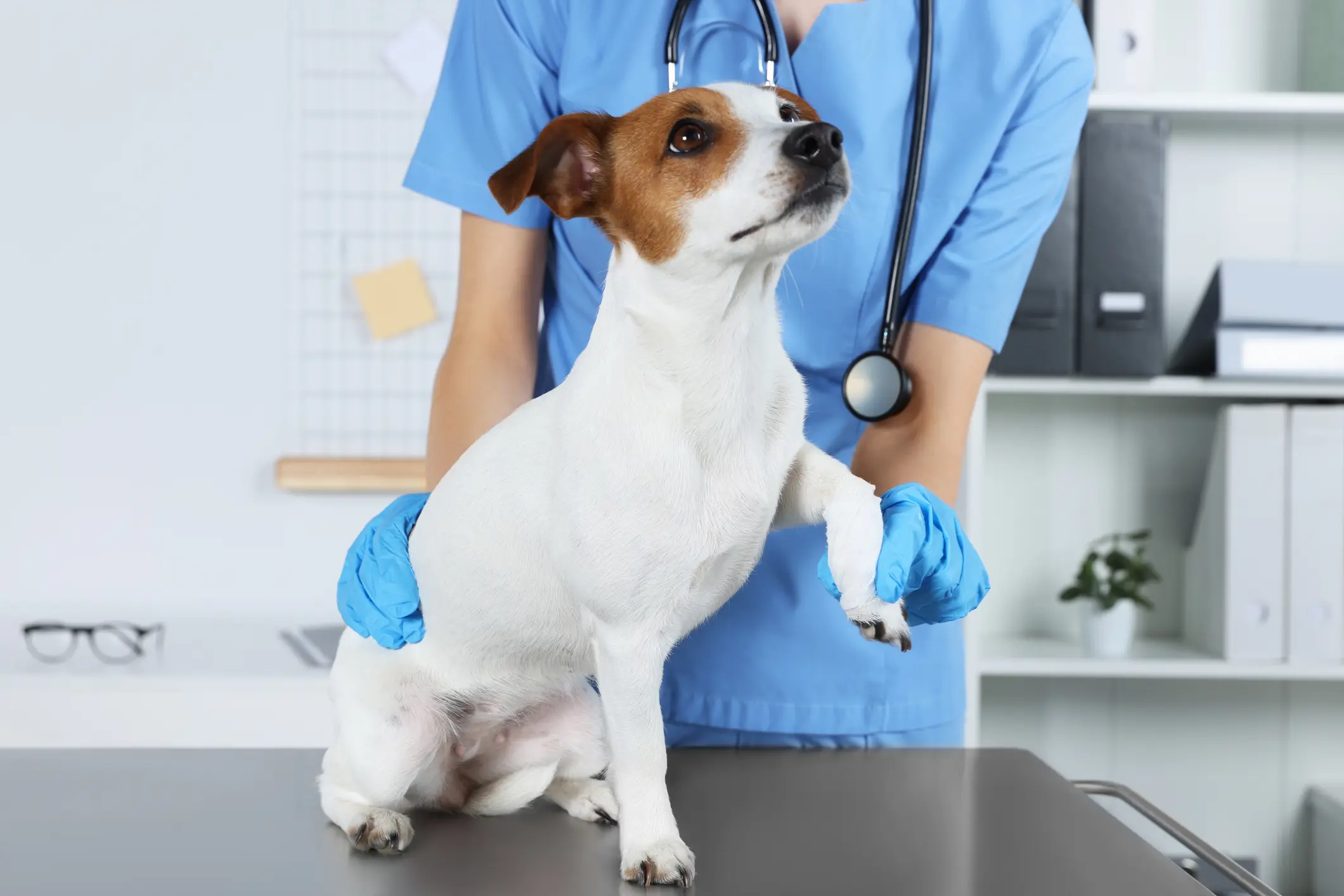
Dog Licking Paws? Clinical Triage Starts Here

Veterinary AI delivers structured, evidence-based guidance to help you assess paw licking accurately, supporting, never replacing, your veterinarian’s clinical judgment.

VETERINARY AI FOR PET OWNERS

Understanding Canine Pododermatitis: Clinical Context and Next Steps

Excessive paw licking in dogs (often associated with pododermatitis) may indicate allergies, environmental irritants, infections, or behavioral factors. The chronic nature of this symptom warrants systematic evaluation to identify underlying causes.

While paw licking alone rarely constitutes an emergency, objective assessment remains essential. Veterinary AI provides structured triage to help you distinguish between benign habits and conditions requiring veterinary attention, ensuring informed decision-making.

Veterinary AI

Assess your dog's paw licking with clinical precision

Common Causes of Dog Licking Paws

Clinical factors contributing to canine pododermatitis range from benign to serious.

Environmental Irritants

Grass, pollen, or chemical exposure triggers contact dermatitis

Allergic Dermatitis

Food or environmental allergies cause chronic paw inflammation

Behavioral Habits

Boredom, anxiety, or stress manifests as repetitive licking behavior

Bacterial Infection

Moist dermatitis or pyoderma develops in interdigital spaces

Fungal Infection

Yeast overgrowth (Malassezia) causes pruritus and moist dermatitis

Foreign Bodies

Grass seeds or debris embedded between toes cause localized irritation


If your dog is licking paws and you're uncertain about the severity, take informed action. Veterinary AI delivers real-time clinical triage tailored to your pet's specific presentationβ€”helping you distinguish between benign habits and signs requiring veterinary attention with clarity and confidence.

+0
Symptoms analyzed
by pet owners worldwide
+0
Pet owners trusting
AI for their pet's health
0/7
Available anytime
even at 2AM emergencies

Safe Home Care & Monitoring Guidelines

Clinically safe, non-invasive steps you can take immediately to assess your dog's paw licking, provide comfort, and gather the exact information your veterinarian needs.

Gently clean paws with a soft, damp cloth after walks to remove allergens and debris
Dry thoroughly between the toes to prevent moisture-associated infections
Apply a veterinary-approved barrier balm to protect irritated skin
Use an Elizabethan collar to break the lick-itch cycle while healing occurs
Identify and remove triggers , note any environmental or dietary changes coinciding with symptom onset
Record licking patterns , document frequency, affected paws, and any associated signs for your veterinarian
Person caring for dog with paw licking at home

TESTIMONIALS

OPYNIO Reviews Dog Licking Paws

When Can Veterinary AI Help You and Your Dog?

If your dog is licking paws and you’re uncertain about the severity, take informed action.

Unsure About Severity?

When your dog is licking paws and you're unsure of the severity, Veterinary AI provides evidence-based triage to distinguish benign habits from signs requiring veterinary attention.

Persistent or Worsening?

If paw licking persists beyond 48 hours or is accompanied by redness, swelling, or lameness, Veterinary AI helps you assess urgency and compile a timeline for your vet.

Pre-Visit Preparation?

When you need clinically-grounded guidance to manage the next hours safely while preparing the exact history β€” onset, frequency, affected paws, and associated signs β€” your vet needs for an informed consultation.

When to Seek Immediate Emergency Care

Red flags that require urgent veterinary attention, and how Veterinary AI supports each critical decision when your dog is licking paws excessively.

Severe Swelling or Lameness

Veterinary AI's instant risk scoring evaluates infection or injury severity and recommends immediate emergency transport

Open Sores or Purulent Discharge

Instant symptom analysis flags infection severity and recommends immediate veterinary evaluation

Lethargy, Fever, or Appetite Loss

24/7 smart triage identifies systemic involvement and recommends immediate emergency transport

Dog showing signs of paw distress needing emergency veterinary care

Swelling Extending Up the Limb

24/7 smart triage detects progressive inflammation and recommends immediate veterinary evaluation

Known Autoimmune Disease or Immunosuppression

Generating an exportable clinical summary report ensures critical history is documented for emergency handover

No Improvement After 48 Hours of Home Care

Generating an exportable clinical summary report captures progression data for rapid diagnostic planning

Monthly

Flexible, cancel anytime

€9.99 /month
AI symptom assessment
Emergency guidance 24/7
Preventive care reminders
Wellness monitoring
Breed-specific health tips
Unlimited conversations
Start monthly plan
SAVE 24%

Annual

Best value for your pet

€90.99 /year

Just €7.58/month

AI symptom assessment
Emergency guidance 24/7
Preventive care reminders
Wellness monitoring
Breed-specific health tips
Unlimited conversations
Priority support
Start annual plan

Veterinary AI provides triage support and educational information only. This does not constitute a medical diagnosis, treatment plan, or prescription. Veterinary AI is not a substitute for in-person veterinary care. Always consult a licensed veterinarian for examination and diagnosis. If your pet shows signs of distress or emergency, contact your nearest veterinary hospital immediately.

By submitting you agree to our Privacy Policy

Veterinary AI

AI-Powered Pet Care 24/7

More and more pet owners trust Veterinary AI for their pet's health. Get instant AI consultations, track medical records, set vaccine reminders, and access expert guidance β€” all from your phone. No waiting rooms, no appointments. Start now.
FAQ

Frequently Asked
Questions

Everything you need to know about paw licking in dogs and how Veterinary AI can help. Can't find what you're looking for?

Start Symptom Assessment

When should I worry about my dog licking paws?

Seek veterinary care if licking causes redness, swelling, sores, or if your dog shows lameness, lethargy, or appetite changes.

What causes excessive paw licking in dogs?

Causes include allergies, environmental irritants, infections, foreign bodies, and behavioral issues like anxiety or boredom.

How can I stop my dog from licking paws at home?

Clean and dry paws after walks, use an Elizabethan collar, apply veterinary-approved balms, and address environmental triggers.

Can allergies cause dogs to lick their paws?

Yes. Food and environmental allergies are among the most common causes of chronic paw licking in dogs.

Is paw licking a sign of pain in dogs?

Yes. Dogs often lick painful areas. Persistent licking may indicate underlying discomfort requiring veterinary evaluation.