Dog Gums Pale: Clinical Triage Support for Your Canine

Veterinary AI provides objective, evidence-based clinical triage for pale gums in dogs. We help you assess severity and prepare for your veterinarian with clarity and confidence.

VETERINARY AI FOR PET OWNERS

Understanding Pale Gums and Mucous Membrane Changes in Dogs

Pale gums in dogs are clinically significant; they may indicate anemia, hypovolemia, shock, or systemic disease. Objective assessment is essential to identify underlying causes and determine urgency.

While pale gums can be alarming, not all cases are emergencies. However, objective triage is critical; it helps differentiate benign causes from conditions requiring immediate veterinary intervention.

Veterinary AI

Assess your dog's gum color with clinical precision

Common Causes of Dog Gums Pale

Pale gums in dogs arise from various underlying conditions, from benign to severe.

Normal Variation

Some dogs naturally have lighter gums; benign finding with no associated clinical signs or health concerns

Dehydration

Reduced fluid intake or excessive loss causing mild pallor that resolves with proper hydration

Anemia

Reduced red blood cell count causing pale gums, lethargy, and requires diagnostic evaluation

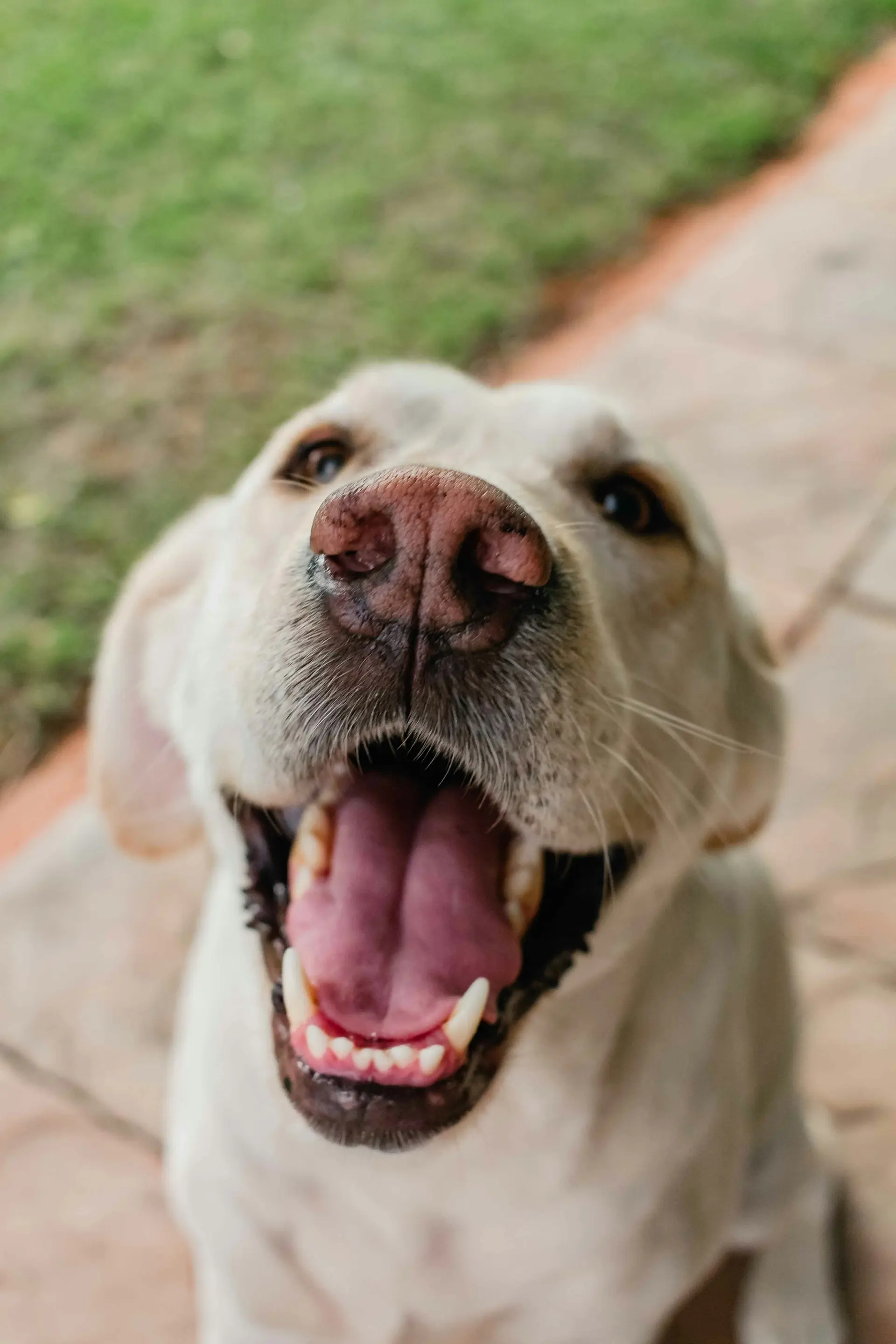
Dog showing signs of pale gums requiring clinical assessment

Blood Loss

Internal or external hemorrhage causing acute pallor, weakness, and requires immediate veterinary assessment

Shock

Circulatory collapse causing pale or white gums, rapid heart rate, and requires emergency treatment

Systemic Disease

Kidney, liver, or immune-mediated conditions causing chronic pallor and requiring comprehensive workup

If your dog is showing pale gums and you're uncertain about the severity, take informed action. Veterinary AI delivers real-time clinical triage tailored to your pet's specific presentation; helping you distinguish between benign variations and signs requiring immediate evaluation for anemia, shock, or systemic disease with clarity and confidence.

+0
Symptoms analyzed
by pet owners worldwide
+0
Pet owners trusting
AI for their pet's health
0/7
Available anytime
even at 2AM emergencies

Safe Home Care & Monitoring Guidelines

Practical, medically safe actions to monitor your dog's gum color and overall condition

Check Gum Color Daily

Gently lift your dog's lip and observe gum color above the canine teeth; pink is normal, pale indicates concern

Monitor Capillary Refill Time

Press gently on the gum, release, and count seconds for color to return; normal is 1-2 seconds

Track Energy Levels

Monitor your dog's activity, playfulness, and willingness to exercise; lethargy may indicate underlying illness

Monitor Appetite and Thirst

Decreased food or water intake may signal underlying illness; document any changes for your veterinarian

Watch for Other Signs

Check for vomiting, diarrhea, bleeding, bruising, difficulty breathing, or weakness — these indicate urgency

Maintain Health Diary

Document onset, progression, gum color changes, appetite, energy, and any accompanying clinical signs

💡 Pale gums require prompt attention. If your dog's gums remain pale, become white, or are accompanied by weakness, collapse, rapid breathing, or bleeding, seek immediate veterinary care. Do not delay — these may indicate anemia, shock, or serious systemic disease. Veterinary AI can help you prepare for emergency care while en route to the hospital.

TESTIMONIALS

OPYNIO Reviews Dog Gums Pale

When Can Veterinary AI Help You and Your Dog?

Veterinary AI provides clinical clarity at key moments in your dog’s health journey.

When your dog has pale gums and you're unsure of the severity — Veterinary AI delivers real-time clinical triage tailored to your pet's specific presentation, helping you distinguish between benign variations and signs of anemia, shock, or systemic disease requiring emergency attention with clarity and confidence.
If pale gums persist for more than 4-6 hours, or your dog shows lethargy, weakness, vomiting, or rapid breathing — Veterinary AI helps you assess urgency and compile a clinical timeline for your veterinarian, distinguishing between benign causes and conditions requiring immediate emergency attention with clarity and confidence.
When you need clinically-grounded guidance before your veterinary visit — Veterinary AI delivers an exportable clinical summary with structured data including onset, progression, gum color changes, capillary refill time, and accompanying signs, helping you prepare for a productive, informed consultation with your veterinarian.

💡 Pale gums require prompt attention. If your dog's gums remain pale, become white, or are accompanied by weakness, collapse, rapid breathing, or bleeding, do not wait — seek emergency veterinary care immediately. Veterinary AI provides immediate, evidence-based triage while you prepare for transport to the hospital.

When to Seek Immediate Emergency Care

Red flags that require urgent veterinary attention, and how Veterinary AI supports each critical decision when your dog shows pale gums.
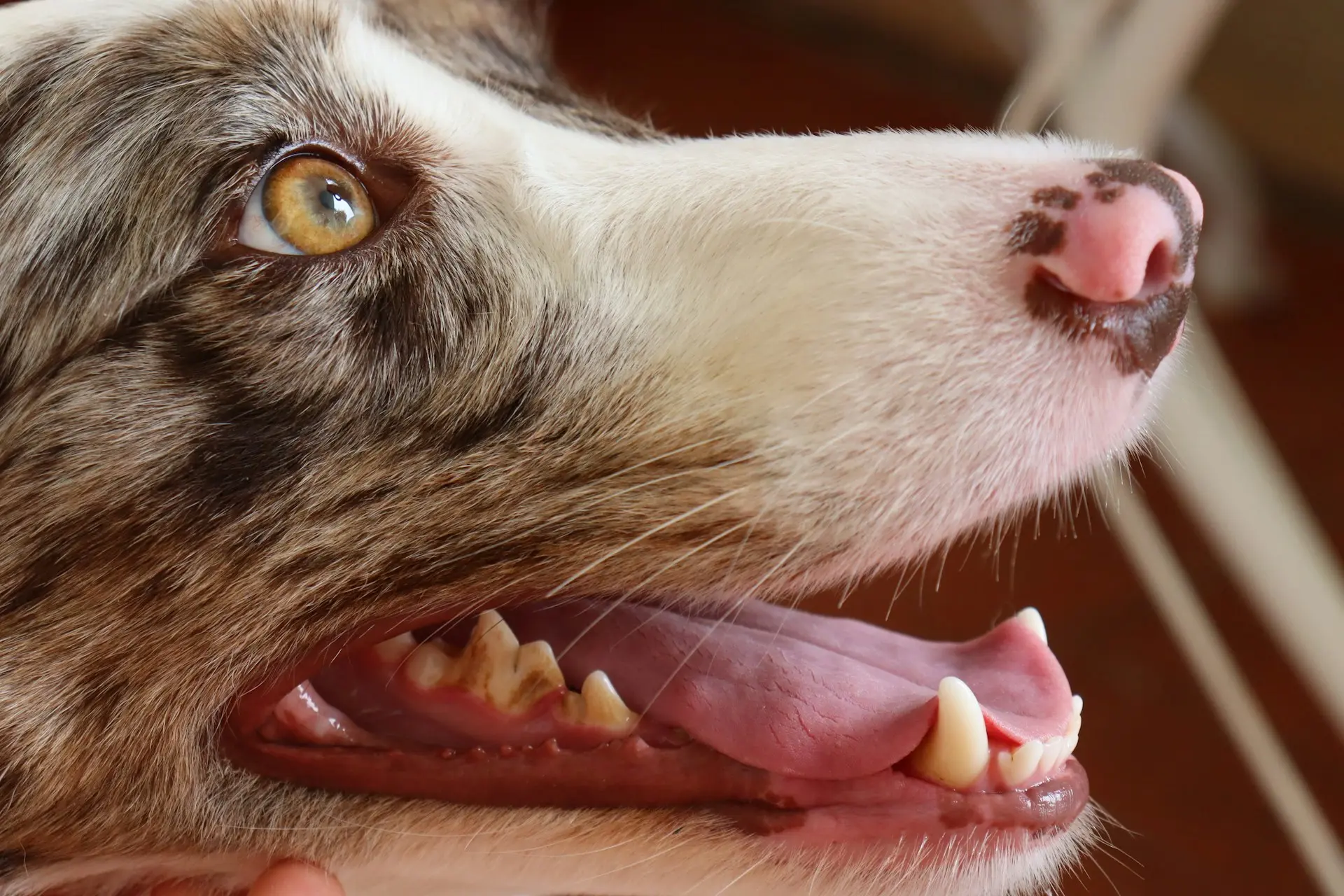
Dog with pale gums showing signs of anemia or shock needing emergency veterinary care
Emergency red flags

White or Very Pale Gums with Weakness

Instant Risk Scoring flags anemia or shock — immediate emergency evaluation required

Rapid Heart Rate with Pale Gums and Cold Extremities

Risk Scoring identifies potential shock or severe anemia — prompts urgent care referral

Vomiting, Diarrhea, or Bleeding with Pale Gums

Smart Triage assesses potential causes and recommends immediate emergency transport

Difficulty Breathing or Rapid Breathing with Pallor

Urgency Level Assessment evaluates respiratory compromise — recommends immediate emergency care

Collapse, Unresponsiveness, or Sudden Onset

Exportable Report documents critical signs and timeline for immediate ER handover

Known Toxin Exposure or Medication History

Exportable Report captures objective data and provides structured handoff for emergency teams

If your dog has pale gums and shows any of these red flags, do not delay — seek emergency care immediately. Veterinary AI helps you prepare for emergency care while generating a clinical summary report for your veterinarian, but immediate veterinary attention is essential.

Monthly

Flexible, cancel anytime

€9.99 /month
AI symptom assessment
Emergency guidance 24/7
Preventive care reminders
Wellness monitoring
Breed-specific health tips
Unlimited conversations
Start monthly plan
SAVE 24%

Annual

Best value for your pet

€90.99 /year

Just €7.58/month

AI symptom assessment
Emergency guidance 24/7
Preventive care reminders
Wellness monitoring
Breed-specific health tips
Unlimited conversations
Priority support
Start annual plan

By submitting you agree to our Privacy Policy

Veterinary AI

AI-Powered Pet Care 24/7

More and more pet owners trust Veterinary AI for their pet's health. Get instant AI consultations, track medical records, set vaccine reminders, and access expert guidance — all from your phone. No waiting rooms, no appointments. Start now.
FAQ

Frequently Asked
Questions

Everything you need to know about pale gums in dogs and how Veterinary AI can help. Can't find what you're looking for?

Start Symptom Assessment

What does it mean if my dog's gums are pale?

Pale gums can indicate anemia, dehydration, shock, or systemic disease. It is a clinical sign that requires prompt veterinary evaluation.

Should I take my dog to the vet for pale gums?

Yes. Pale gums should be evaluated promptly to identify the underlying cause; early intervention can prevent serious complications.

Can dehydration cause pale gums in dogs?

Yes. Dehydration can cause mild gum pallor; however, persistent pallor with other signs may indicate more serious conditions.

How can I check my dog's gum color at home?

Gently lift your dog's lip and observe the gum color above the canine teeth; normal gums are pink and moist.

What is a normal capillary refill time in dogs?

Normal capillary refill time is 1-2 seconds; prolonged refill time indicates poor circulation and requires veterinary attention.