Veterinary AI provides objective, evidence-based symptom assessment to help you understand your dog’s condition and communicate effectively with your veterinarian.
Hip dysplasia is a developmental orthopedic condition where the femoral head does not fit securely within the hip joint. This malformation leads to progressive joint laxity, abnormal wear, and eventual osteoarthritis. Common clinical signs include hind limb lameness, decreased range of motion, and difficulty rising from rest.
While these symptoms can be concerning, early recognition and objective monitoring are essential for optimal outcomes. Veterinary AI helps you track symptom progression systematically, providing structured data that supports your veterinarian’s diagnostic process without replacing professional clinical judgment.
Hip dysplasia symptoms arise from multiple factors affecting joint integrity and mobility.
Genetic Predisposition
Large and giant breeds carry inherited risk factors for abnormal hip joint development
Rapid Growth Phase
Excessive weight gain during puppyhood can stress developing hip joints
Joint Laxity
Loose connective tissues allow abnormal femoral head movement within the socket
Osteoarthritis Progression
Chronic joint inflammation leads to cartilage erosion and progressive pain
Age-Related Degeneration
Older dogs experience progressive joint deterioration and mobility decline
Concurrent Conditions
Obesity or other orthopedic issues can exacerbate existing hip symptoms
✦ If your dog is showing hip dysplasia symptoms and you're uncertain about the severity, take informed action. Veterinary AI delivers real-time clinical triage tailored to your pet's specific presentation; helping you distinguish between mild discomfort and signs requiring immediate orthopedic evaluation with clarity and confidence.
TESTIMONIALS
Timely, clinically-grounded support for every stage of your dog's hip health journey
When your dog shows hip dysplasia symptoms and you're unsure of the severity, Veterinary AI provides evidence-based triage to distinguish mild discomfort from signs requiring immediate orthopedic evaluation.
If lameness persists for more than 48 hours, or your dog shows vocalization with movement, reluctance to bear weight, or systemic signs, Veterinary AI helps you assess urgency and compile a timeline for your vet.
When you need clinically-grounded guidance to manage the next days safely while preparing the exact history (onset, progression, mobility patterns, and accompanying signs) your veterinarian needs for an informed orthopedic consultation.
💡 Always trust your instincts. If you're concerned about your dog's hip health, Veterinary AI provides immediate, evidence-based assessment; but never delays seeking emergency care when your dog shows non-weight-bearing lameness, sudden paralysis or pelvic asymmetry, vocalization with minimal movement, or systemic signs such as lethargy, fever, or loss of bladder control.
These signs demand urgent veterinary evaluation. Veterinary AI helps you assess risk in real time.
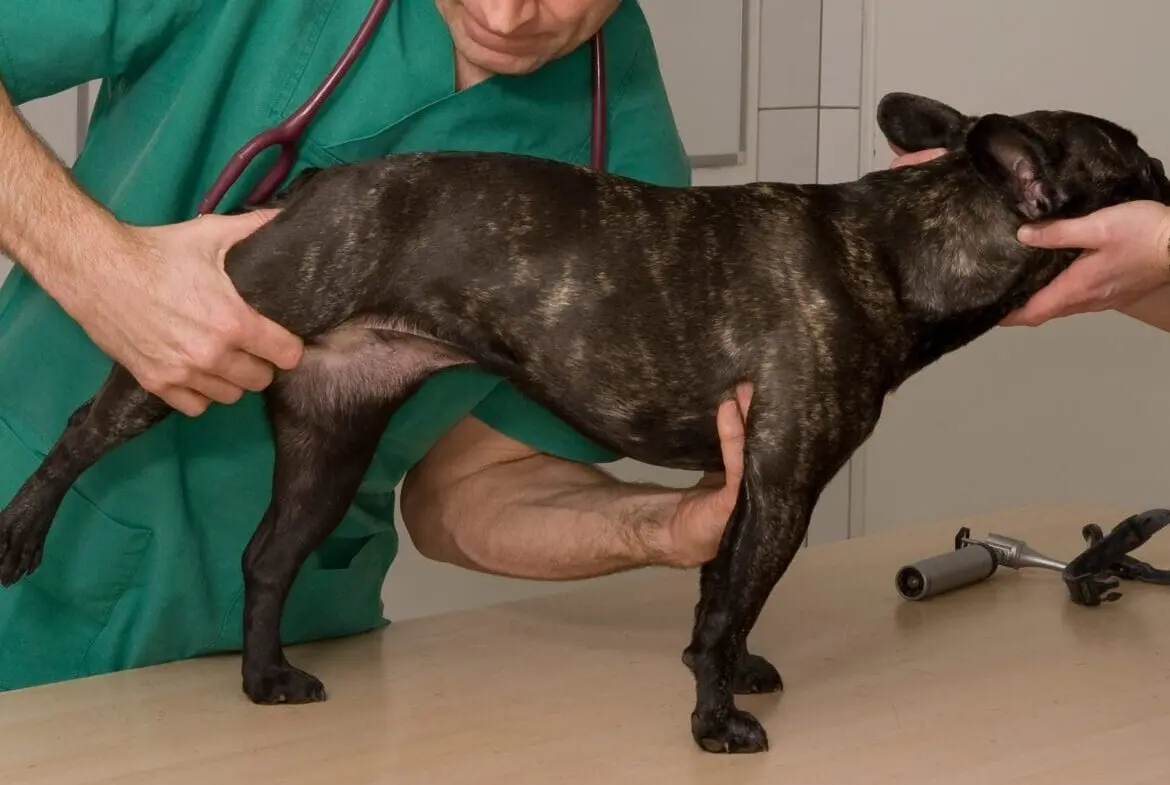
Non-weight-bearing lameness with sudden onset. Instant Symptom Analysis and Risk Scoring flag this as critical and guide your immediate actions toward emergency orthopedic evaluation.
Visible pelvic asymmetry or hind limb paralysis. Risk Scoring identifies potential neurological involvement or fracture and prompts an urgent care recommendation.
Crying, whimpering with minimal movement. Smart Triage assesses pain severity thresholds and recommends immediate emergency transport.
Inability to stand or walk after rest. Urgency Level Assessment evaluates mobility compromise and recommends immediate veterinary contact.
Loss of bladder or bowel control. The exportable Clinical Summary Report documents neurological compromise for the emergency team.
Distressed breathing or abnormal gum coloration. The Clinical Summary Report compiles comprehensive symptom data for rapid emergency evaluation.
Any of these signs? Do not wait.
Veterinary AI prepares a clinical summary for your veterinarian while you travel, but immediate veterinary attention is essential.
Flexible, cancel anytime
Best value for your pet
Just €7.58/month
Thanks for your interest in Veterinary AI. We'll notify you as soon as your AI consultation is ready. Check your email for confirmation.
More and more pet owners trust Veterinary AI for their pet's health. Get instant AI consultations, track medical records, set vaccine reminders, and access expert guidance — all from your phone. No waiting rooms, no appointments. Start now.
Everything you need to know about hip dysplasia symptoms in dogs and how Veterinary AI can help. Can't find what you're looking for?
Start Symptom AssessmentEarly signs include hind limb lameness, stiffness after rest, difficulty rising, and reluctance to jump or climb stairs. Symptoms often worsen with exercise.
Yes, hip dysplasia causes significant pain through joint inflammation, cartilage damage, and progressive osteoarthritis. Pain levels vary based on severity and individual tolerance.
Symptoms typically appear between 6-12 months in severe cases or later (middle age to senior) as osteoarthritis progresses and joint function declines.
Surgery is not always required. Many dogs manage successfully with weight control, physical therapy, anti-inflammatory medications, and joint supplements. Management depends on severity.
Large breeds like Labradors, German Shepherds, Golden Retrievers, and Rottweilers have higher genetic predisposition. However, any breed can develop hip dysplasia.