Dog Newborn Care? Get Clinical Guidance

AI-driven clinical support helps you monitor newborn health and identify early warning signs. Veterinary AI supports, never replaces, your in-person veterinary consultation.

VETERINARY AI FOR PET OWNERS

Why Newborn Puppy Care Requires Clinical Awareness

The neonatal period (first 2-3 weeks) is critical for puppy survival. Newborns are vulnerable to hypothermia, hypoglycemia, and infections. Early recognition of subtle signs is essential.

While most puppies thrive with proper care, complications can develop rapidly. Objective monitoring helps you track weight, feeding, and vital signs; enabling timely veterinary intervention when needed.

Veterinary AI

Assess your dog's situation with clinical precision

Common Considerations for Newborn Puppy Care

Factors influencing neonatal health and monitoring protocols.

Normal Neonatal Development

Puppies nurse every 2-3 hours; sleep 90% of the time; gain 5-10% of birth weight daily; require external warmth

Hypothermia Risk

Newborns cannot regulate body temperature; inadequate warmth leads to reduced feeding and failure to thrive

Hypoglycemia Concerns

Insufficient milk intake causes low blood sugar; signs include weakness, crying, and lethargy

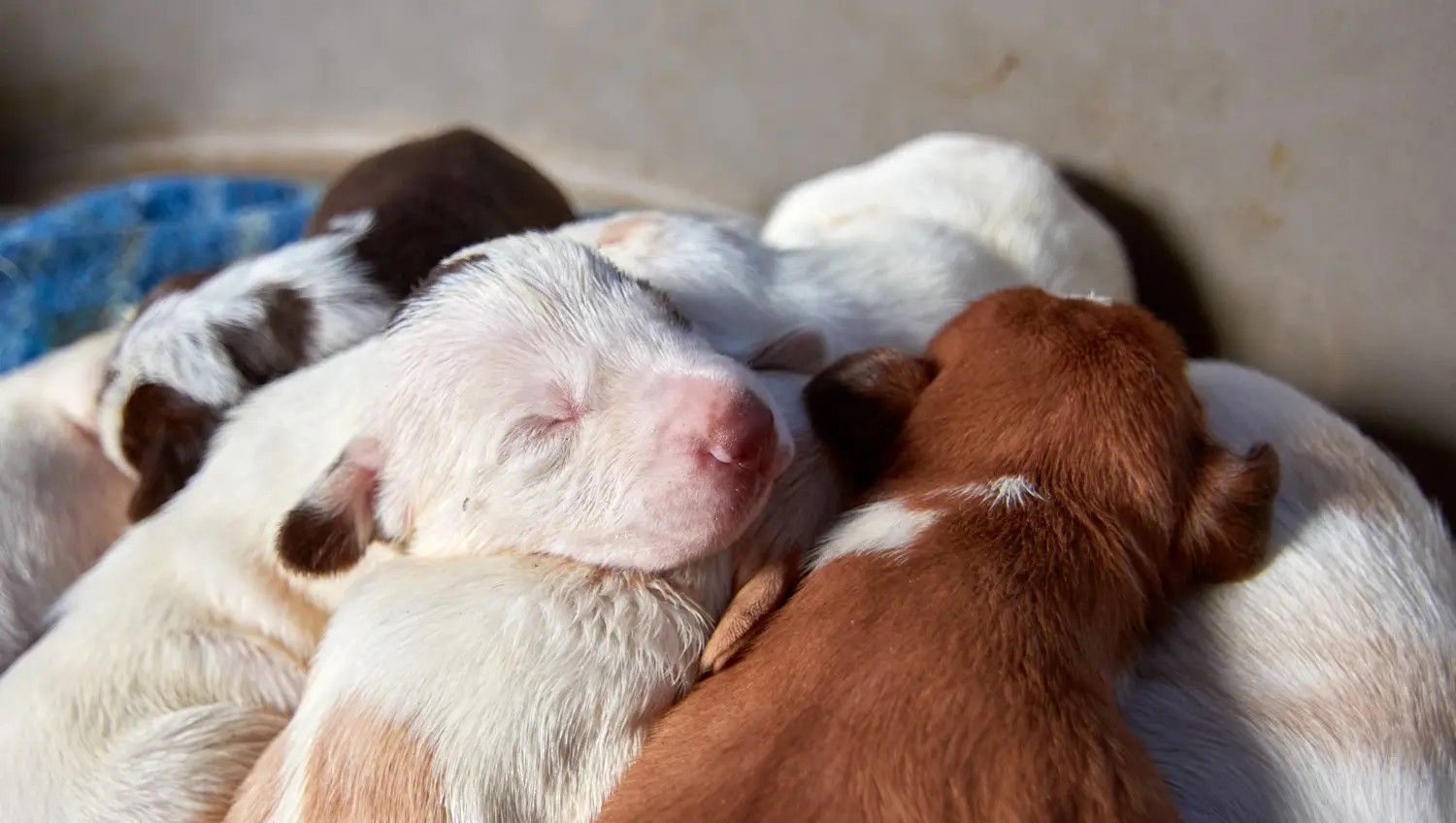
Newborn puppies requiring clinical assessment and care

Failure to Thrive

Poor weight gain, inadequate nursing, or maternal neglect; requires early intervention and veterinary support

Infectious Disease Risk

Neonatal sepsis or parvovirus can be fatal; poor hygiene or inadequate colostrum increases susceptibility

Age-Related Factors

Premature or small puppies have higher mortality risk; first-time mothers may lack adequate maternal instincts

If you're caring for newborn puppies and you're uncertain about their health or development, take informed action. Veterinary AI delivers real-time clinical triage tailored to your neonatal puppies' specific presentation; helping you distinguish between normal development and signs requiring immediate veterinary evaluation with clarity and confidence.

+0
Symptoms analyzed
by pet owners worldwide
+0
Pet owners trusting
AI for their pet's health
0/7
Available anytime
even at 2AM emergencies

Safe Home Care & Monitoring Guidelines

Non-invasive, medically safe measures to support your newborn puppies

Temperature Management

Maintain ambient temperature at 85-90°F (29-32°C) for the first week; provide supplemental heat if needed

Weight Monitoring

Weigh puppies daily on a digital scale; document weight gain (5-10% of birth weight per day)

Feeding Observation

Monitor each puppy nursing; ensure all are feeding vigorously; supplement if weak or not gaining weight

Hydration Assessment

Check skin turgor and gum moisture; offer electrolyte solution if dehydration is suspected

Behavioral Monitoring

Observe for normal activity (quiet sleeping, vigorous nursing, content between feeds)

Hygiene Maintenance

Keep whelping area clean and dry; change bedding daily to prevent infection

💡 Never feed newborn puppies cow's milk or human formula substitutes. These can cause digestive upset and nutritional deficiencies. Consult your veterinarian for appropriate milk replacers and feeding protocols.

Clinical Disclaimer: Home care measures are supportive only and do not replace emergency veterinary assessment. Any concerns about newborn puppies warrant immediate professional consultation. These guidelines do not constitute medical treatment protocols.

TESTIMONIALS

OPYNIO Reviews Dog Newborn Care

When Can Veterinary AI Help You and Your Dog?

Timely, clinically-grounded support for every stage of newborn puppy care

Unsure About Severity?

When you need newborn puppy guidance and you're uncertain about normal development or warning signs, Veterinary AI provides evidence-based information to help you monitor neonatal health effectively.

Persistent or Escalating?

If concerning signs persist (poor weight gain, lethargy, inability to nurse, or abnormal crying), Veterinary AI helps you assess urgency and compile a detailed timeline for your veterinarian.

Pre-Visit Preparation?

When you need clinically-grounded guidance while preparing the exact history (birth weights, feeding patterns, and emerging clinical signs) your veterinarian needs for informed neonatal evaluation.

💡 Always trust your instincts. If you're concerned about your newborn puppies' health or development, Veterinary AI provides immediate, evidence-based assessment; but never delays seeking emergency care when any puppy shows signs of severe lethargy, inability to nurse, respiratory distress, blue or pale gums, seizures, or fails to gain weight for 24 hours.

When to Seek Immediate Emergency Care

Red flags that require urgent veterinary attention; and how Veterinary AI supports each critical decision when caring for newborn puppies.

Inability to nurse or failure to root within 24 hours of birth; Veterinary AI's instant risk scoring flags this as a critical emergency and guides your immediate actions toward veterinary evaluation
Blue or pale gums (cyanosis); Instant symptom analysis identifies this critical red flag indicating poor oxygenation and escalates urgency for immediate emergency intervention
Seizures or tremors in a newborn; 24/7 smart triage assesses potential hypoglycemia or neurological compromise and recommends immediate emergency transport
Respiratory distress (open-mouth breathing, gasping, or blue-tinged mucous membranes); 24/7 smart triage evaluates neonatal compromise and prompts immediate ER contact with red-flag rules
Any puppy with known risk factors (prematurity, low birth weight, or failure to gain weight); Generating an exportable clinical summary report documents critical history and timeline for emergency handover
Any uncertainty about your newborn puppies' health or development; Generating an exportable clinical summary report captures all observations and provides structured data for your veterinarian's review
Newborn puppies requiring emergency veterinary care

Veterinary AI supports clinical decision-making but does not replace emergency veterinary care. If you observe any red flags listed above, contact emergency veterinary services immediately. This tool is for triage and educational support only and does not constitute medical diagnosis or treatment.

Monthly

Flexible, cancel anytime

€9.99 /month
AI symptom assessment
Emergency guidance 24/7
Preventive care reminders
Wellness monitoring
Breed-specific health tips
Unlimited conversations
Start monthly plan
SAVE 24%

Annual

Best value for your pet

€90.99 /year

Just €7.58/month

AI symptom assessment
Emergency guidance 24/7
Preventive care reminders
Wellness monitoring
Breed-specific health tips
Priority support
Start annual plan
Veterinary AI provides clinical triage support and educational information; it does not constitute a diagnosis, treatment plan, or substitute for professional, in-person veterinary care.

By submitting you agree to our Privacy Policy

Veterinary AI

AI-Powered Pet Care 24/7

More and more pet owners trust Veterinary AI for their pet's health. Get instant AI consultations, track medical records, set vaccine reminders, and access expert guidance — all from your phone. No waiting rooms, no appointments. Start now.

FAQ

Frequently Asked
Questions

Everything you need to know about newborn puppy care and how Veterinary AI can help. Can't find what you're looking for?

Start Symptom Assessment

What is the normal temperature for newborn puppies?

Newborn puppies should maintain a body temperature of 95-99°F (35-37°C) during the first week; they cannot regulate their own body heat.

How often should newborn puppies nurse?

Puppies should nurse every 2-3 hours during the first week. If a puppy is not nursing vigorously, veterinary evaluation is recommended.

How much weight should newborn puppies gain daily?

Healthy puppies gain 5-10% of their birth weight each day. Weigh daily on a digital scale to track progression.

When should I take newborn puppies to the vet?

Schedule a neonatal wellness check within 24-48 hours of birth. Seek immediate care if any puppy shows lethargy, poor feeding, or distress.

Can newborn puppies drink water?

No, newborn puppies should only nurse from their mother. Water is not recommended; consult your veterinarian for appropriate hydration support.