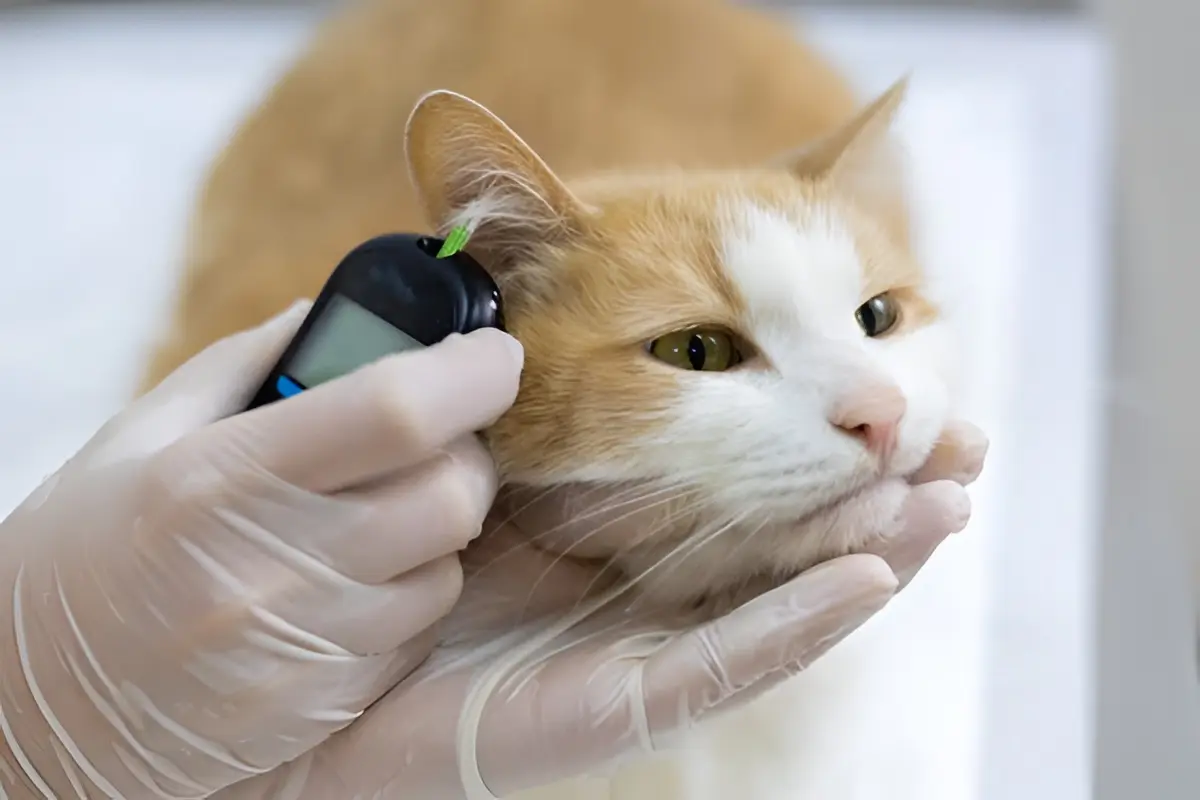
Β Understand your cat’s diabetic signs with AI-assisted clinical reasoning. Get objective, evidence-based triage guidance to help you assess urgency and prepare meaningfully for your in-person veterinary consultation.
Feline diabetes mellitus is a common endocrine disorder, typically resulting from insulin resistance or inadequate insulin secretion. Clinical manifestations (polydipsia, polyuria, polyphagia, and weight loss) reflect the body’s inability to regulate blood glucose effectively; early recognition prevents severe complications like diabetic ketoacidosis (DKA) and peripheral neuropathy.
While these symptoms are concerning, diabetes is highly manageable with appropriate veterinary intervention. Objective, systematic triage empowers you to distinguish between diabetes and other conditions with overlapping signs (hyperthyroidism, CKD). Veterinary AI provides structured guidance that supports, not replaces, your veterinarian’s diagnostic expertise.
Feline diabetic symptoms originate from multiple clinical pathways, listed from mild to severe.
Stress-Induced Hyperglycemia
Temporary glucose elevation from stress can mimic diabetes; resolves with stress reduction and environmental management.
Dietary Factors and Obesity
High-carbohydrate diets and obesity increase insulin resistance, predisposing cats to diabetes mellitus.
Type 2 Diabetes (Insulin Resistance)
Most common form; pancreas produces insulin but cells don't respond effectively, leading to hyperglycemia.
Type 1 Diabetes (Insulin Deficiency)
Pancreatic beta-cell destruction reduces or eliminates insulin production, requiring exogenous insulin therapy.
Secondary Diabetes
Caused by other conditions (hyperthyroidism, Cushing's, pancreatitis, medications) that impair glucose regulation.
Diabetic Ketoacidosis (DKA)
Severe, life-threatening complication with ketone accumulation; requires immediate intensive care and hospitalization.
β¦ This list represents common differentials but does not constitute a complete diagnosis. Persistent diabetic symptoms (polydipsia, polyuria, polyphagia, weight loss, hindlimb weakness) warrant veterinary evaluation to rule out structural, functional, and systemic pathology. Veterinary AI provides real-time clinical triage tailored to feline-specific diabetes risks, helping you distinguish between manageable concerns and conditions requiring prompt veterinary attention with clarity and confidence.
Non-invasive, medically safe measures to support your cat and monitor for diabetic changes
Daily Water Intake Monitoring
Measure and record daily water consumption (normal: 50-70 ml/kg/day); document any excessive drinking or changes
Urine Output and Litter Box Tracking
Monitor frequency and volume of urination; note any accidents outside the box or changes in urine odor/color
Weekly Weight Monitoring
Weigh your cat weekly using a baby scale if available; progressive weight loss exceeding 1-2% per week warrants prompt attention
Appetite and Food Intake Tracking
Monitor daily food consumption; document any increase (polyphagia), decrease, refusal to eat, or changes in eating patterns
Energy Level and Hindlimb Strength Monitoring
Observe for lethargy, hindlimb weakness, plantigrade stance (walking on hocks), or progressive deterioration
Clinical Summary Preparation
Document water intake, urine output, weight, appetite, energy level, hindlimb strength, and timeline of symptoms
β These guidelines are supportive measures only. They do not treat diabetic conditions or replace professional veterinary assessment. Any cat showing severe lethargy, persistent vomiting, rapid breathing, fruity-smelling breath, or collapse requires immediate emergency care.
TESTIMONIALS
These warning signs require urgent action, supported by Veterinary AI's core tools when your cat shows diabetes symptoms and related signs.
Severe lethargy, weakness, or collapse is flagged as a critical emergency; this may indicate diabetic ketoacidosis (DKA), severe hyperglycemia, or electrolyte imbalance requiring immediate intervention.
Rapid, labored breathing (Kussmaul respirations) triggers a critical alert; this indicates metabolic acidosis associated with diabetic ketoacidosis requiring immediate evaluation and intensive care.
Persistent vomiting (especially with inability to keep water down) signals critical decompensation; this may indicate diabetic ketoacidosis, severe electrolyte imbalance, or pancreatitis requiring immediate life-saving care.
Fruity-smelling breath (acetone odor) or sweet-smelling urine indicates ketone accumulation; urgent evaluation for diabetic ketoacidosis is essential.
Sudden vision loss or cataracts requires organized data for your vet; our report consolidates ophthalmic changes, blood glucose history, and clinical timeline for rapid diagnostic evaluation.
Signs of dehydration (sunken eyes, dry gums, skin tenting) require comprehensive data; our summary documents fluid status, water intake, urine output, and clinical history to help your emergency veterinarian expedite triage.
Any of these signs? Do not wait.
Veterinary AI prepares a clinical summary for your veterinarian while you travel, but immediate emergency veterinary attention is essential for severe lethargy, rapid breathing, persistent vomiting, fruity-smelling breath, collapse, or signs of dehydration in cats.
Flexible, cancel anytime
Best value for your pet
Just β¬7.58/month
Thanks for your interest in Veterinary AI. We'll notify you as soon as your AI consultation is ready. Check your email for confirmation.
More and more pet owners trust Veterinary AI for their pet's health. Get instant AI consultations, track medical records, set vaccine reminders, and access expert guidance β all from your phone. No waiting rooms, no appointments. Start now.
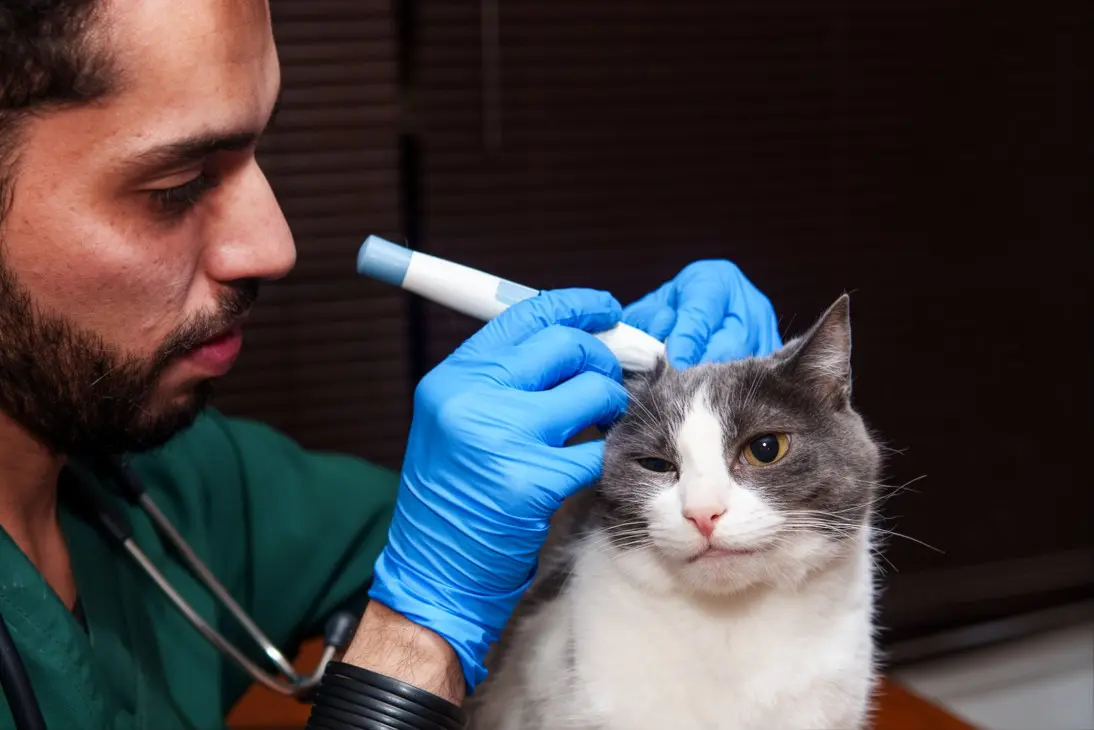
Everything you need to know about cat diabetes symptoms and how Veterinary AI can help. Can't find what you're looking for?
Start Diabetes Symptom AssessmentEarly signs include increased thirst and urination, weight loss despite increased appetite, lethargy, and poor hair coat. Some cats develop hindlimb weakness (diabetic neuropathy).
Diabetes is manageable but not typically curable. Some cats may achieve remission with early diagnosis, appropriate diet, and insulin therapy, especially if treatment is initiated promptly.
Causes include insulin resistance (Type 2, most common), pancreatic disease (Type 1), and secondary causes like hyperthyroidism, pancreatitis, or certain medications. Obesity is a significant risk factor.
Prescription diabetic diets high in protein and low in carbohydrates are recommended. Always consult your veterinarian before making any dietary changes.
Diabetes itself is not typically painful, but associated complications (diabetic neuropathy, urinary tract infections, ketoacidosis) can cause discomfort. Signs include hindlimb weakness, lethargy, or reluctance to move.