Get instant, evidence-based guidance for caring for newborn kittens. Veterinary AI helps you monitor health, feeding, and development, and recognize warning signs requiring veterinary intervention.
The first weeks of a kitten’s life are critical. Kittens are born blind, deaf, and unable to regulate body temperature. Proper care includes warmth, feeding, hygiene, and monitoring for signs of illness or failure to thrive.
While most kittens thrive with proper maternal care, complications such as fading kitten syndrome, hypothermia, dehydration, or inadequate nursing can occur. Objective triage helps you monitor normal development and recognize warning signs requiring veterinary intervention.
Kitten care requires attention to five critical areas, listed from essential to supportive.
Warmth and Temperature Regulation
Kittens cannot regulate body temperature; maintain ambient temperature at 85-90°F (29-32°C) for the first week.
Feeding and Nutrition
Kittens should nurse within 2 hours of birth; weigh daily to ensure weight gain (7-15 grams per day).
Hygiene and Stimulation
Mother cat stimulates elimination; if orphaned, gently stimulate genitals with warm damp cloth after each feeding.
Weight Monitoring
Daily weigh-ins are essential; failure to gain weight is often the first sign of illness or inadequate feeding.
Observation of Activity and Behavior
Healthy kittens are active, vocal, and have a strong suckle reflex; lethargy or weakness is a warning sign.
Veterinary Check-up
Schedule a veterinary visit within the first 48-72 hours for evaluation of health, weight, and early detection of issues.
✦ This list represents essential elements of newborn kitten care but does not constitute a complete diagnosis. Kittens are highly vulnerable in their first weeks of life. Any kitten showing signs of distress, poor weight gain, weakness, or failure to thrive requires immediate veterinary evaluation. Veterinary AI provides real-time clinical triage tailored to newborn kitten health, helping you distinguish between normal development and life-threatening conditions requiring prompt veterinary attention with clarity and confidence.
Non-invasive, medically safe measures to support your newborn kittens and monitor for normal development
Maintain Optimal Temperature
Use a heating pad (low setting) or heat lamp to keep the nesting area at 85-90°F (29-32°C) for the first week; avoid direct heat contact
Monitor Feeding and Weight Gain
Weigh kittens daily on a kitchen scale; ensure they are nursing vigorously and gaining 7-15 grams per day
Check for Suckle Reflex
Kittens should have a strong suckle reflex; if weak or absent, contact your veterinarian immediately
Observe Activity and Vocalization
Healthy kittens are active, vocal, and warm; lethargy, weakness, or persistent crying requires immediate attention
Maintain Hygiene
Keep the nesting area clean and dry; change bedding daily to prevent infection and maintain warmth
Do NOT Supplement Without Guidance
Do not offer cow's milk or human milk replacer; use only kitten-specific formula if supplementation is needed
⚠ These guidelines are for monitoring purposes only. Any kitten showing signs of distress, poor weight gain, weakness, lethargy, or failure to thrive requires immediate veterinary evaluation. Fading kittens are life-threatening emergencies. Do not delay seeking care. Use only kitten-specific formula if supplementation is needed; never use cow's milk.
TESTIMONIALS
Timely, clinically-grounded support for every stage of your newborn kitten care assessment
When you have newborn kittens and need guidance on feeding, warmth, hygiene, and normal development milestones for their age.
If a kitten shows signs of weakness, poor feeding, weight loss, hypothermia, or failure to thrive — these may indicate fading kitten syndrome requiring urgent veterinary care.
When you need clinically grounded, exportable guidance to maximize the effectiveness of your upcoming veterinary visit; including a structured clinical summary documenting weight, feeding, and behavior observations.
💡 Always trust your instincts. If you are concerned about a newborn kitten's health, Veterinary AI provides immediate, evidence-based assessment; but never delays seeking emergency care when a kitten shows weakness, hypothermia, poor feeding, weight loss, or signs of fading kitten syndrome. Fading kittens are life-threatening emergencies. Seek immediate veterinary care.
Fading kittens are life-threatening emergencies. These warning signs require prompt veterinary attention, supported by Veterinary AI's core tools when you are caring for newborn kittens.
A limp, weak, or unresponsive kitten is flagged as a critical emergency; this may indicate severe hypothermia, hypoglycemia, or fading kitten syndrome requiring immediate veterinary intervention.
Pale or white gums, labored breathing, or collapse signals severe deterioration requiring immediate emergency evaluation and intensive care.
Persistent crying, lethargy, or signs of fading kitten syndrome requires organized data for your emergency vet; our report consolidates weight, feeding, and clinical history for rapid evaluation.
A weak or absent suckle reflex triggers an alert; this may indicate hypoglycemia, hypothermia, or neurological compromise requiring immediate veterinary assessment.
Cold to the touch (hypothermia) or no weight gain in 24 hours signals severe metabolic compromise requiring immediate warming, feeding support, and veterinary care.
Signs of dehydration (sunken eyes, skin tenting) or maternal illness requires comprehensive data; our summary documents all observations to help your veterinarian expedite care.
🚨 Any of these signs? Seek emergency care NOW.
Veterinary AI prepares a clinical summary for your emergency veterinarian while you prepare, but prompt emergency attention is essential for limp kittens, hypothermia, poor feeding, weight loss, or signs of fading kitten syndrome. Fading kittens are life-threatening emergencies. Begin gradual warming and offer glucose on gums while transporting to the nearest emergency animal hospital. Do not delay seeking care.
Flexible, cancel anytime
Best value for your pet
Just €7.58/month
Thanks for your interest in Veterinary AI. We'll notify you as soon as your AI consultation is ready. Check your email for confirmation.
More and more pet owners trust Veterinary AI for their pet's health. Get instant AI consultations, track medical records, set vaccine reminders, and access expert guidance — all from your phone. No waiting rooms, no appointments. Start now.
Everything you need to know about newborn kitten care and how Veterinary AI can help. Can't find what you're looking for?
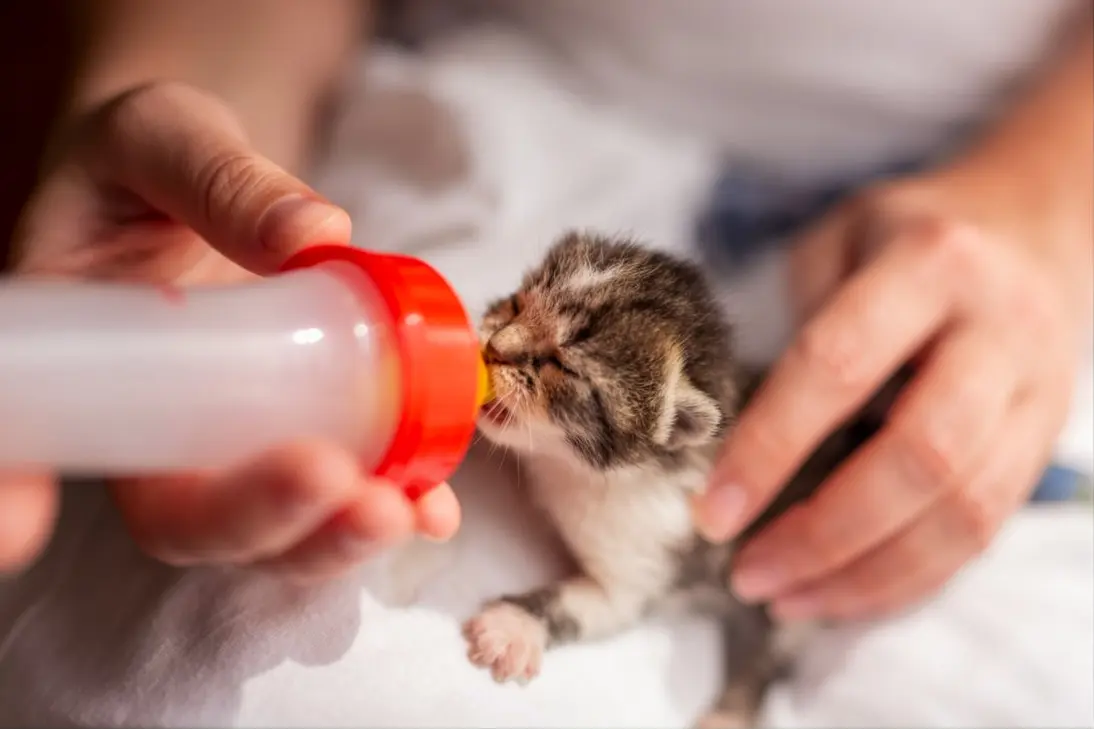
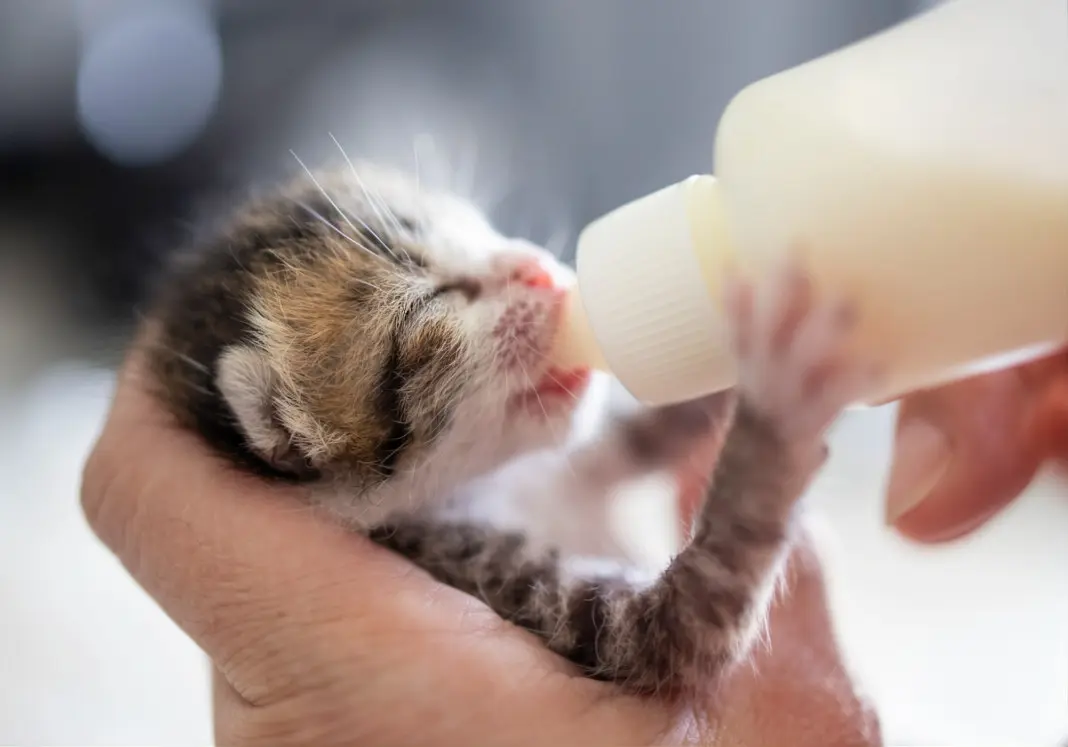
Start Newborn Kitten Care AssessmentNewborn kittens should nurse from their mother within 2 hours of birth. If orphaned, use kitten-specific milk replacer (KMR) and feed with a bottle or feeding tube as directed.
Maintain nesting area temperature at 85-90°F (29-32°C) for the first week using a heating pad (low setting) or heat lamp. Avoid direct heat contact.
Healthy kittens are warm, active, vocal, have a strong suckle reflex, and gain 7-15 grams daily. Lethargy, weakness, or poor feeding are warning signs.
Fading kitten syndrome refers to the sudden decline of a neonate, often with no obvious cause. Signs include lethargy, weakness, hypothermia, poor feeding, and weight loss. Immediate veterinary care is essential.
Schedule a veterinary visit within 48-72 hours of birth for health evaluation. Seek immediate care for signs of distress, poor feeding, weight loss, or weakness.