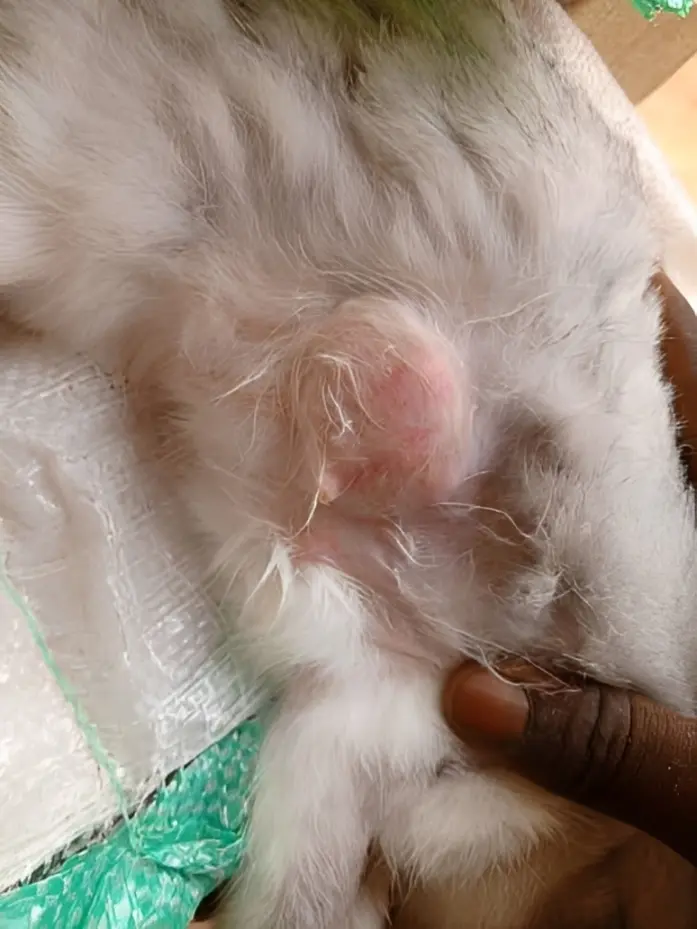
Evaluate your rabbit’s lump with AI-driven clinical guidance. Understand potential causes, monitor changes, and prepare data for your exotics veterinarian without replacing their expert care.
Lumps on a rabbit’s body can arise from various causes including abscesses, tumors (benign or malignant), cysts, or inflammatory reactions. Rabbits are particularly prone to abscesses which have thick, caseous pus that does not drain easily. Early detection and veterinary evaluation are essential to determine the nature of the lump and initiate appropriate treatment.
While not all lumps are life-threatening, any new or growing lump on a rabbit requires veterinary evaluation. Lumps can indicate serious conditions including cancer, dental abscesses (which can affect the jaw), or systemic disease. Objective triage helps you assess urgency and prepare for effective veterinary consultation.
Rabbits may develop lumps for various reasons, listed from benign to serious.
Cyst
Fluid-filled sac that may be congenital or acquired; usually slow-growing, non-painful, and benign.
Lipoma (Benign Fatty Tumor)
Soft, movable, typically non-painful; more common in older rabbits; generally slow-growing.
Inflammatory Reaction
Response to foreign body, insect bite, or local irritation causing swelling; may resolve with treatment.
Abscess
Bacterial infection causing a firm, painful swelling; often from dental disease or bite wounds; requires veterinary treatment.
Malignant Tumor
Cancerous growth such as lymphoma, mammary adenocarcinoma, or sarcoma; may be rapidly growing.
Enlarged Lymph Node
Swelling of lymph nodes due to infection, inflammation, or neoplasia; requires diagnostic evaluation.
✦ This list represents common causes of lumps in rabbits but does not constitute a complete diagnosis. Rabbits are particularly prone to abscesses which have thick, caseous pus that does not drain easily. Any new or growing lump on a rabbit requires veterinary evaluation. Rapidly growing lumps, lumps with ulceration, or lumps accompanied by weight loss or lethargy require immediate veterinary attention. Veterinary AI provides real-time clinical triage tailored to rabbit lumps, helping you distinguish between benign growths and serious conditions requiring prompt veterinary attention with clarity and confidence.
Non-invasive, medically safe measures to support your rabbit and monitor for lumps
Measure and Document the Lump
Measure length and width weekly; record any changes in size, texture, or appearance for your veterinarian
Monitor Eating Behavior
Watch for food dropping, reduced hay or pellet intake, or changes in eating speed — report to your veterinarian
Weigh Your Rabbit Weekly
Track weight using a kitchen or baby scale; any weight loss is a warning sign requiring veterinary attention
Check for Signs of Pain
Watch for teeth grinding, hunched posture, reluctance to eat, or reduced activity — these indicate pain
Keep the Area Clean
If there is any discharge, gently clean with warm water; keep the area dry to prevent secondary infection
Do NOT Squeeze or Drain the Lump
Never attempt to squeeze, drain, or apply topical treatments to a lump without veterinary guidance
⚠ These guidelines are supportive measures, not treatment protocols. Lumps on rabbits require veterinary evaluation to determine the underlying cause. If your rabbit's lump becomes red, inflamed, begins draining, grows rapidly, or if your rabbit stops eating, shows signs of severe pain, or develops weight loss, seek emergency veterinary care immediately. Do not delay seeking professional evaluation.
TESTIMONIALS
Timely, clinically-grounded support for every stage of your rabbit's lump assessment
When you find a lump on your rabbit and need to determine whether it is a benign growth or a serious condition requiring immediate veterinary attention.
If the lump is growing, changing in texture, or accompanied by weight loss, lethargy, or difficulty eating — these may indicate serious underlying illness requiring urgent veterinary care.
When you need clinically grounded, exportable guidance to maximize the effectiveness of your upcoming exotics veterinary visit; including a structured summary documenting lump characteristics, progression, and observations.
💡 Never ignore a lump on your rabbit. Rabbits are particularly prone to abscesses which require veterinary treatment. If your rabbit's lump is growing rapidly, bleeding, ulcerated, or accompanied by weight loss or lethargy, seek immediate veterinary care. Veterinary AI provides evidence-based assessment to help you identify urgency.
Red flags that require urgent veterinary attention; and how Veterinary AI supports each critical decision when your rabbit has a lump.
Rapidly Growing Lump
Instant Risk Scoring flags aggressive tumor or severe infection; emergency evaluation required
Lump with Ulceration or Bleeding
Risk Scoring identifies possible malignancy or abscess rupture; immediate veterinary care required
Weight Loss with Lump
24/7 Smart Triage detects systemic illness; escalate to ER immediately
Lump with Difficulty Eating
Urgency Assessment identifies possible dental abscess or jaw tumor; immediate vet visit required
Lump with Lethargy or Pain
Exportable Report documents urgency for your emergency vet; go immediately
Known Cancer History with New Lump
Exportable Report captures history for your emergency veterinarian; seek care now
🚨 These signs require immediate in-person emergency veterinary care. Veterinary AI is not a substitute for emergency medical attention. If your rabbit shows any of these red flags with a lump, do not delay; seek emergency care immediately.
Flexible, cancel anytime
Best value for your pet
Just €7.58/month
Thanks for your interest in Veterinary AI. We'll notify you as soon as your AI consultation is ready. Check your email for confirmation.
More and more pet owners trust Veterinary AI for their pet's health. Get instant AI consultations, track medical records, set vaccine reminders, and access expert guidance — all from your phone. No waiting rooms, no appointments. Start now.
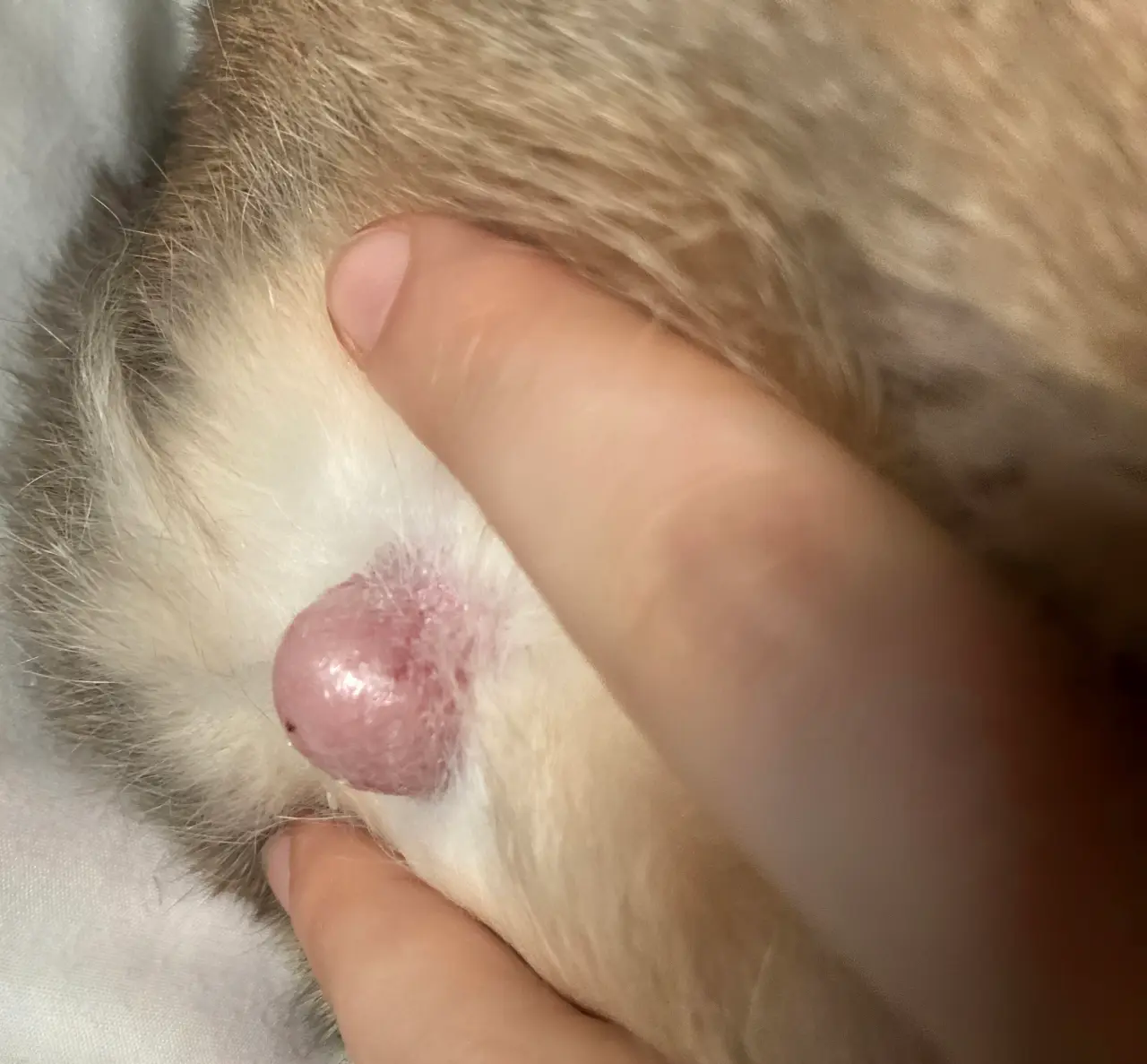
Everything you need to know about lumps in rabbits, and how Veterinary AI can help. Can't find what you're looking for?
Start Rabbit Lump AssessmentAbscesses are the most common lumps in rabbits, often caused by dental disease or bite wounds. They require veterinary treatment.
Yes, lumps can be benign (lipoma, cyst) or malignant (lymphoma, mammary adenocarcinoma). Biopsy is often needed for diagnosis.
No, never attempt to squeeze or drain a lump at home. This can cause infection, pain, and spread of disease. Seek veterinary care.
Diagnosis may include fine needle aspiration (FNA), biopsy, imaging (X-rays/ultrasound), and blood work to determine the nature of the lump.
Seek immediate care if the lump is growing rapidly, bleeding, ulcerated, or accompanied by weight loss, lethargy, or difficulty eating.