Evaluate your rabbit’s flystrike risk with AI-driven clinical guidance. Understand emergency signs, act immediately, and prepare data for your exotics veterinarian without replacing their urgent expert care.
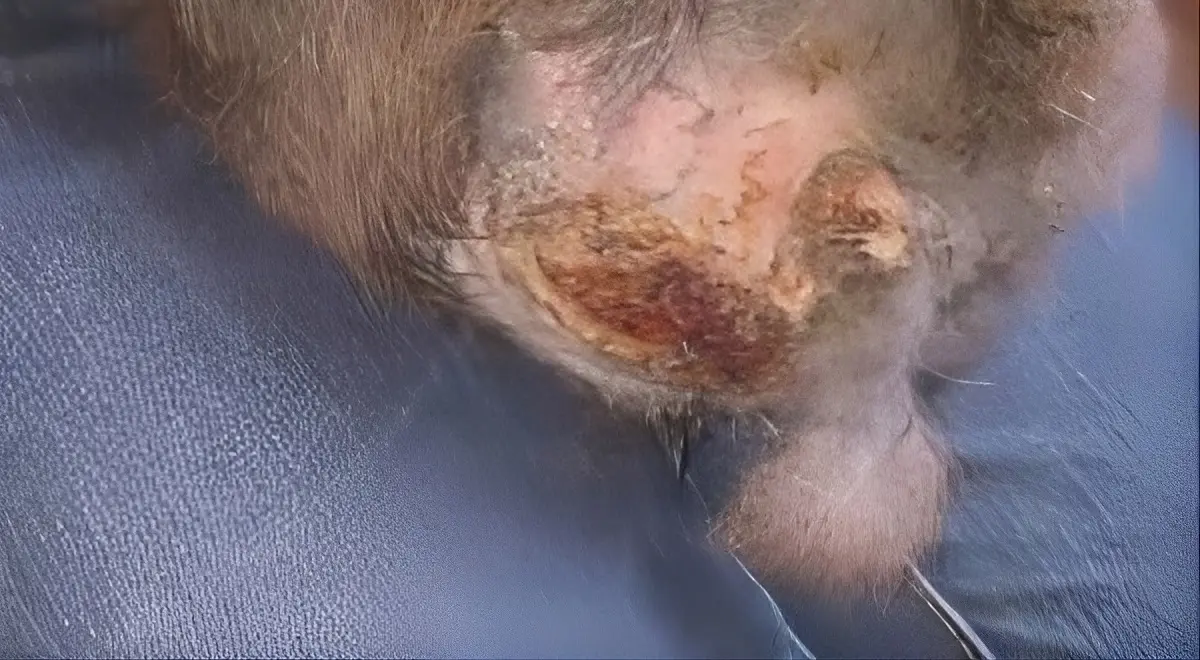
Flystrike (cutaneous myiasis) is a rapidly fatal emergency in which blowfly larvae burrow into a rabbit’s skin, secreting tissue-destroying enzymes. Affected rabbits can progress from normal to critically ill within 12-24 hours. A 2018 study of 42,226 rabbit consultations found that blowfly strike led to euthanasia or death in 45% of affected rabbitsΒ . This condition requires immediate veterinary intervention, every hour counts.
While flystrike is devastating, it is also highly preventable. Flies are attracted to soiled fur, urine, feces, and woundsΒ . Early detection through daily checks (especially May-October) can save your rabbit’s life. Objective triage helps you recognize signs and take immediate action, never wait to see if things improve .
Rabbits may be at risk of flystrike for various reasons, listed from preventable to high-risk.
Soiled Hindquarters
Urine or fecal staining attracts blowflies; diarrhea or soft cecotropes are major risk factors for flystrike.
Obesity
Overweight rabbits cannot reach their bottom to groom, allowing soiling to accumulate and attract flies.
Arthritis or Mobility Issues
Pain or stiffness prevents rabbits from grooming their rear effectively, increasing flystrike risk.
Dental Disease
Pain from dental problems prevents proper grooming and can cause soft droppings, increasing flystrike risk.
Dirty Living Environment
Soiled bedding attracts flies and provides ideal conditions for egg development; regular cleaning is essential.
Open Wounds or Skin Lesions
Flies are attracted to blood, wounds, or ulcerated skin; any open wound dramatically increases flystrike risk.
β¦ This list represents common risk factors for flystrike in rabbits but does not constitute a complete diagnosis. Flystrike is a life-threatening emergency where blowfly maggots eat living tissue. A 2018 study of 42,226 rabbit consultations found that blowfly strike led to euthanasia or death in 45% of affected rabbits. Any wet or soiled fur, foul odor, or visible eggs/maggots requires immediate emergency veterinary care. Veterinary AI provides real-time clinical triage tailored to rabbit flystrike, helping you recognize risk factors and life-threatening emergencies requiring prompt veterinary attention with clarity and confidence.
Daily preventive measures to protect your rabbit from flystrike
Daily Bottom Check
Check your rabbit's bottom, tail base, and underside at least once daily (twice daily in summer)
Part the Fur to Inspect Skin
Look for eggs (tiny white specks) or maggots (cream-colored larvae) attached to the skin or fur
Clean Hutch Daily
Remove soiled bedding daily; thoroughly clean the hutch at least once weekly to prevent fly attraction
High-Fiber Diet
Ensure around 80% hay in diet to prevent diarrhea and soft droppings that attract flies
Maintain Healthy Weight
Keep your rabbit at a healthy weight to enable proper self-grooming and prevent soiling
NEVER Attempt Home Treatment
Flystrike requires emergency veterinary care β never attempt to treat at home or remove maggots yourself
β These guidelines are preventive measures. Flystrike is a life-threatening emergency that can be fatal within 24 hours. If you find maggots, eggs, or signs of flystrike, seek emergency veterinary care immediately. Do NOT attempt home treatment β this can cause fatal shock. Prevention through daily checks and good hygiene is essential.
TESTIMONIALS
Timely, clinically-grounded support for every stage of your rabbit's flystrike risk assessment
When you notice signs of flystrike (wet fur, foul odor, eggs, maggots) and need to confirm it is a life-threatening emergency requiring immediate veterinary care.
If your rabbit has risk factors (obesity, arthritis, dental disease, dirty environment, open wounds) and you need guidance on daily monitoring and prevention.
When you need clinically grounded, exportable guidance to maximize the effectiveness of your upcoming exotics veterinary visit; including a structured summary documenting symptoms, risk factors, and observations.
π‘ Flystrike is a life-threatening emergency. If you see maggots, eggs, wet fur, or a foul odor, Veterinary AI provides immediate evidence-based assessment to help you recognize the emergency, but never delays seeking veterinary care. Flystrike can be fatal within 24 hours β act immediately.
Flystrike is a life-threatening emergency. These warning signs require prompt veterinary attention, supported by Veterinary AI's core tools when your rabbit shows signs of flystrike.
Visible maggots or eggs in the fur is a critical emergency; our AI flags this as life-threatening.
Sudden lethargy, hunched posture, or refusal to eat with a wet bottom indicates advanced infestation requiring immediate emergency care.
Flystrike symptoms (maggots, foul odor, wet fur) require organized data; our report consolidates signs and risk factors for your emergency exotics veterinarian.
Foul odor from the rabbit or hutch signals tissue damage; our AI immediately flags this as a critical emergency.
Collapse or seizures indicate toxic shock; emergency intervention is critical.
Progressive flystrike symptoms requires comprehensive data; our summary documents all observations to help your emergency exotics veterinarian expedite diagnosis and treatment.
π¨ Any of these signs? Seek emergency care NOW.
Veterinary AI prepares a clinical summary for your emergency exotics veterinarian while you prepare, but prompt emergency attention is essential for rabbits with visible maggots or eggs, wet or matted fur, foul odor, lethargy, hunched posture, or collapse. Flystrike is a life-threatening emergency that can be fatal within 24 hours. Transport your rabbit to the nearest emergency exotics veterinarian or animal hospital immediately. Do NOT attempt home treatment β this can cause fatal shock. Do not delay seeking care.
Flexible, cancel anytime
Best value for your pet
Just β¬7.58/month
Thanks for your interest in Veterinary AI. We'll notify you as soon as your AI consultation is ready. Check your email for confirmation.
More and more pet owners trust Veterinary AI for their pet's health. Get instant AI consultations, track medical records, set vaccine reminders, and access expert guidance β all from your phone. No waiting rooms, no appointments. Start now.
Everything you need to know about rabbit flystrike and how Veterinary AI can help. Can't find what you're looking for?
Start Rabbit Flystrike AssessmentFlystrike (myiasis) is a life-threatening condition where blowflies lay eggs on a rabbit's fur, and the hatching maggots burrow into and eat living flesh.
Flystrike can be fatal within 24 hours of maggots hatching. A rabbit that appears well one day can be in toxic shock the next.
Early signs include wet or matted fur around the bottom, a foul odor, restlessness, reduced appetite, and sitting hunched.
Call your vet for an emergency appointment immediately. Do NOT attempt home treatment or put your rabbit in water, as this can cause shock.
Yes, indoor rabbits can also be affected if flies enter the home. Check all rabbits daily, especially in summer.