Clinical Guidance for Lumps in Birds

Get objective, clinically grounded triage support for your bird’s new lump or mass. Veterinary AI helps you assess severity and prepares you for your in-person avian veterinary consultation.

VETERINARY AI FOR PET OWNERS

Understanding Lumps in Birds: When to Be Concerned

Lumps or masses in birds can range from benign lipomas and cysts to abscesses (often from bite wounds or infections) and malignant tumors (including lymphoma, liposarcoma, and squamous cell carcinoma). Early detection and professional evaluation are essential; even benign masses can impair mobility, breathing, or function if they grow large enough.

While some lumps in birds are benign, delaying evaluation is risky. Abscesses require drainage and antibiotics; tumors may need surgical removal. Birds have a relatively short lifespan but can enjoy excellent quality of life with prompt veterinary care. Objective triage helps you determine the urgency and prepare for your avian vet consultation.

Veterinary AI

Assess your bird's new lump with clinical precision

Common Causes of Lumps in Birds

Lumps in birds arise from various causes, from benign to malignant.

Lipoma (Benign Fatty Tumor)

Soft, movable, often slowly growing; common on chest and abdomen; generally non-painful and benign.

Abscess or Cyst

Firm, sometimes painful swelling; caused by infection; may require drainage and antibiotics.

Feather Cyst

Benign, slow-growing cyst from blocked feather follicle; often found on wings or tail; may cause feather deformation.

Lymphoma (Malignant)

Firm, non-painful masses; often multiple; associated with weight loss and lethargy; prognosis poor.

Squamous Cell Carcinoma (Malignant)

Ulcerated, rapidly growing skin tumor; often on face, wings, or feet; requires aggressive treatment.

Internal Organ Enlargement

Hepatic, renal, or reproductive organ enlargement causing visible distension; requires urgent avian evaluation.

This list represents common causes of lumps in birds but does not constitute a complete diagnosis. Any new lump or mass requires veterinary evaluation; while many lumps are benign (lipomas, feather cysts, abscesses), some may be malignant. Early detection and professional assessment are essential — even benign masses can impair mobility, breathing, or function if they grow large enough. Veterinary AI provides real-time clinical triage tailored to your bird's lump, helping you determine urgency and prepare for your veterinary consultation with clarity and confidence.

+0
Symptoms analyzed
by pet owners worldwide
+0
Pet owners trusting
AI for their pet's health
0/7
Available anytime
even at 2AM emergencies

Safe Home Care & Monitoring Guidelines

Follow these steps to monitor your bird's lump while arranging veterinary evaluation.

Monitor Size and Texture

Measure the lump weekly (in millimeters) and note texture changes; rapid growth warrants immediate attention

Check Mobility and Attachment

Gently assess if the lump moves freely or is fixed to underlying tissue; changes indicate progression

Observe Color and Skin Integrity

Note ulceration, redness, or discharge from the lump's surface; changes require veterinary attention

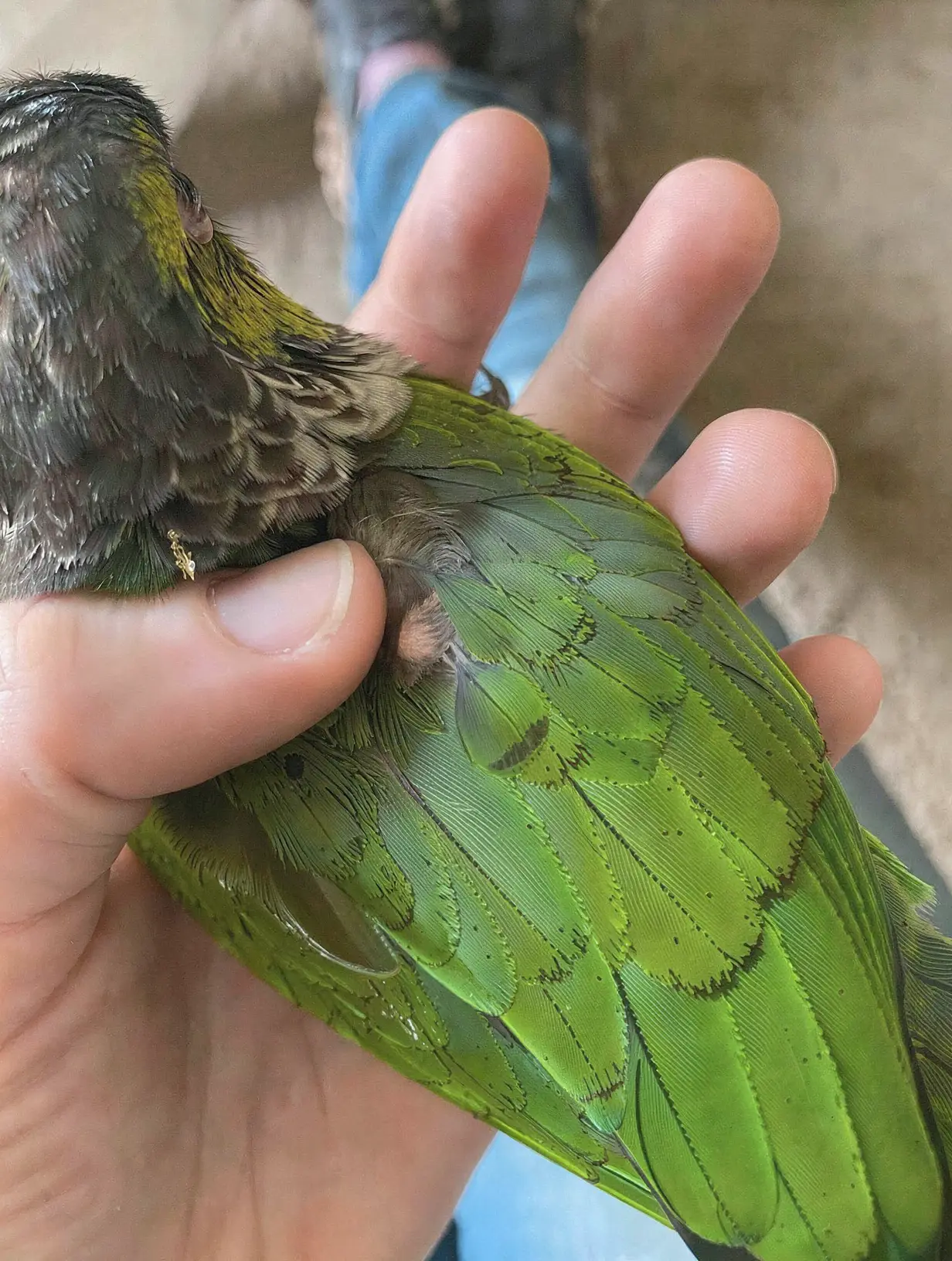
Bird with lump: home care guidelines and clinical monitoring

Monitor Weight and Appetite

Track weight (gram scale) and food intake; weight loss with a lump indicates potential malignancy

Keep the Area Clean and Dry

Prevent secondary infection by keeping the lump and surrounding skin clean; do NOT apply creams

Do NOT Attempt to Drain or Squeeze

Never try to drain, squeeze, or lance the lump; this can cause infection, bleeding, and spread of malignant cells

These monitoring steps do not replace veterinary diagnosis. Any new lump or mass in a bird requires avian veterinary evaluation to confirm diagnosis. If the lump grows rapidly, ulcerates, bleeds, or your bird develops weight loss, lethargy, or anorexia, seek immediate veterinary care. Veterinary AI provides real-time guidance to help you document symptoms and determine urgency.

TESTIMONIALS

OPYNIO Reviews Bird Lump On Body

When Can Veterinary AI Help You and Your Bird?

Timely, clinically-grounded support for every stage of your bird's lump assessment

Unsure About Urgency?

When your bird develops a new lump and you need guidance on how urgent this is and whether it requires immediate avian veterinary intervention.

Signs of Deterioration?

If the lump is growing, changing in texture, or accompanied by signs of illness (weight loss, lethargy, anorexia) — these may indicate serious underlying pathology requiring urgent avian veterinary care.

Pre-Visit Preparation?

When you need clinically grounded, exportable guidance to maximize the effectiveness of your upcoming avian veterinary visit; including a structured summary documenting location, size, texture, growth timeline, and observations.

💡 Always trust your instincts. If you are concerned about your bird's new lump, Veterinary AI provides immediate, evidence-based assessment; but never delays seeking veterinary care when a lump is rapidly growing, ulcerating, bleeding, or your bird shows weight loss, lethargy, or anorexia. Any new lump requires professional evaluation. Seek immediate avian veterinary care if the lump is growing rapidly or your bird shows signs of systemic illness.

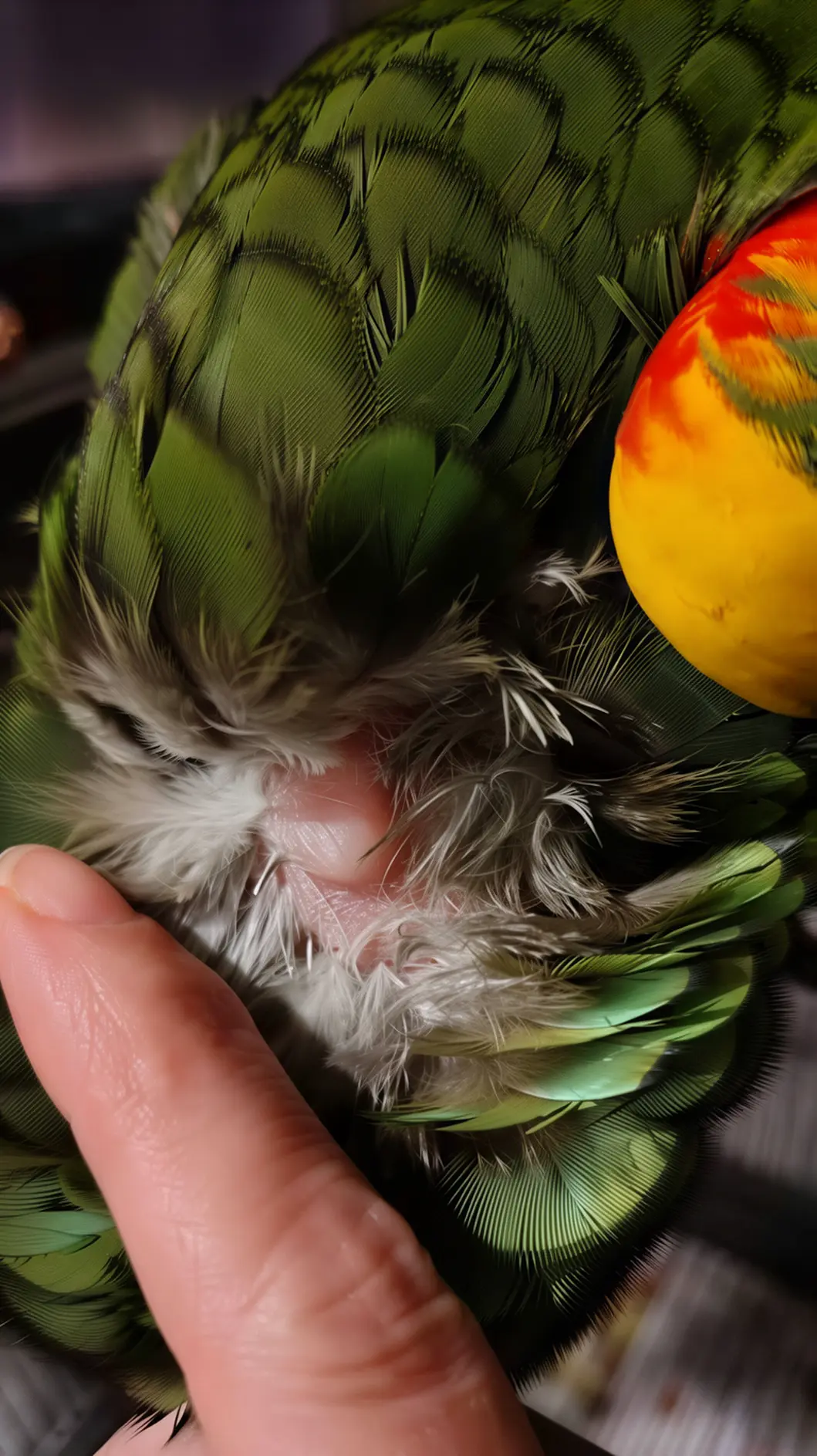
Bird with concerning lump showing emergency signs needing immediate avian veterinary care

When to Seek Immediate Emergency Care

Red flags that require urgent avian veterinary attention; and how Veterinary AI supports each critical decision when your bird develops a new lump.

Rapidly Growing Lump

Instant Risk Scoring flags potential aggressive malignancy; immediate avian evaluation required

Ulcerated or Bleeding Lump

Risk Scoring prioritizes secondary infection and potential malignancy; urgent care required

Lump Causing Obstruction

24/7 Smart Triage detects functional compromise (breathing, eating, moving); escalate immediately

Weight Loss with Lump

Urgency Assessment identifies potential systemic malignancy; immediate avian vet visit required

Lethargy or Anorexia with Lump

Exportable Report documents systemic signs for your avian vet; go immediately

Multiple Rapidly Growing Masses

Exportable Report captures all observations for your emergency avian veterinarian; seek care now

🚨 These signs require immediate in-person avian veterinary care. Veterinary AI is not a substitute for emergency medical attention. If your bird shows any of these red flags alongside a new lump, do not delay; seek emergency avian veterinary care immediately.

Monthly

Flexible, cancel anytime

€9.99 /month
AI symptom assessment
Emergency guidance 24/7
Preventive care reminders
Wellness monitoring
Breed-specific health tips
Unlimited conversations
Start monthly plan
SAVE 24%

Annual

Best value for your pet

€90.99 /year

Just €7.58/month

AI symptom assessment
Emergency guidance 24/7
Preventive care reminders
Wellness monitoring
Breed-specific health tips
Priority support
Start annual plan
Veterinary AI provides clinical triage support and educational information; it does not constitute a diagnosis, treatment plan, or substitute for professional, in-person veterinary care.

By submitting you agree to our Privacy Policy

Veterinary AI

AI-Powered Pet Care 24/7

More and more pet owners trust Veterinary AI for their pet's health. Get instant AI consultations, track medical records, set vaccine reminders, and access expert guidance — all from your phone. No waiting rooms, no appointments. Start now.