Cat Drinking Too Much Water? Get Clinical Clarity Now

Understand whether your cat’s excessive thirst signals an underlying medical condition through AI-powered triage guidance, designed to support your decision-making before and during your veterinary visit.

VETERINARY AI FOR PET OWNERS

Understanding Your Cat's Excessive Thirst: A Clinical Perspective

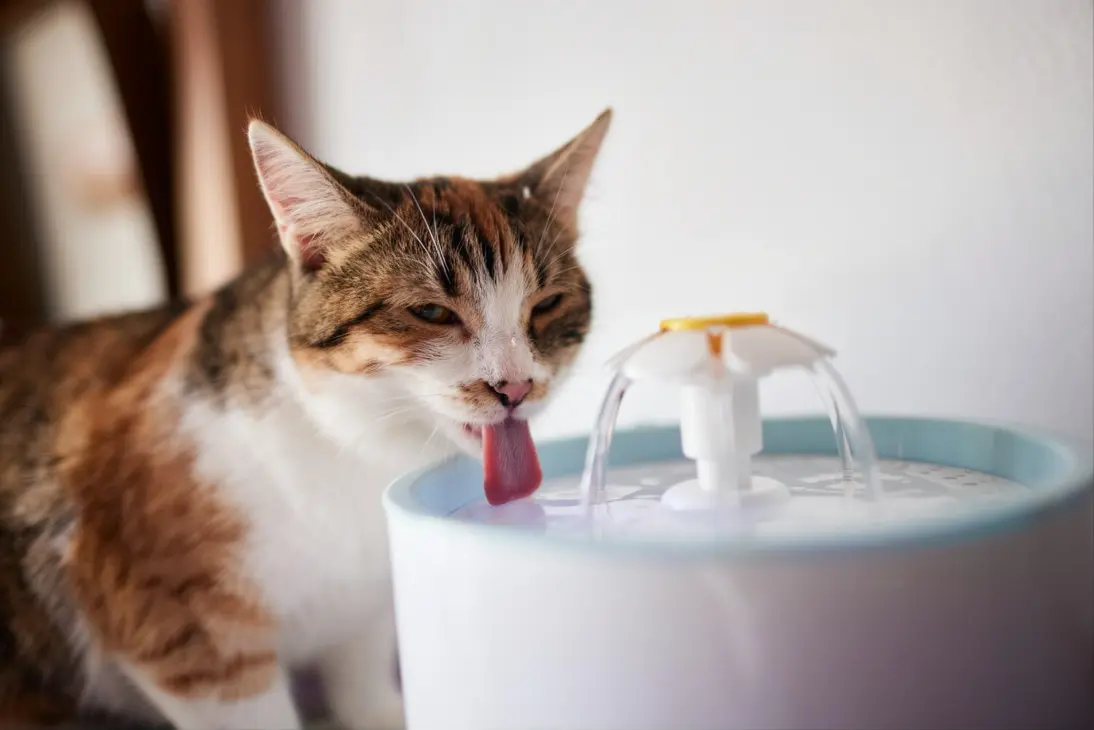
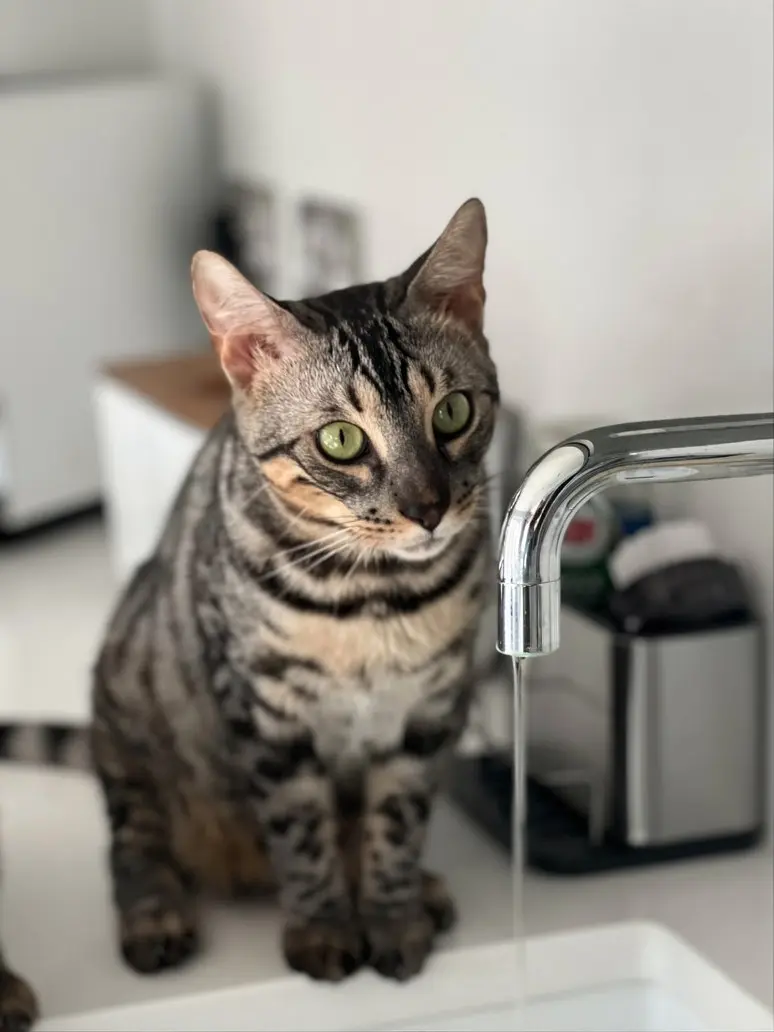
Increased water consumption (polydipsia) in cats is never normal and almost always indicates an underlying medical condition. Common causes include chronic kidney disease, diabetes mellitus, hyperthyroidism, and urinary tract infections. A healthy cat typically drinks 50-100 ml of water per kg of body weight daily; consumption significantly above this threshold requires investigation.

Your concern is valid; excessive thirst is one of the most reliable early warning signs of systemic disease in cats. Do not dismiss it as “just being thirsty.” Early detection and diagnosis can significantly improve outcomes and quality of life. Objective triage and timely veterinary evaluation are essential.

Veterinary AI

Assess your cat's excessive thirst with clinical precision

Common Causes of Cat Drinking Too Much Water

Excessive thirst in cats is a clinical sign of underlying medical conditions requiring veterinary investigation.

Chronic Kidney Disease (CKD)

Progressive kidney dysfunction leading to decreased urine concentration; causes increased thirst and urination. Common in senior cats.

Diabetes Mellitus

Insulin deficiency or resistance causing elevated blood glucose; leads to increased thirst, urination, and weight loss despite good appetite.

Hyperthyroidism

Overactive thyroid gland causing increased metabolism; leads to increased thirst, urination, weight loss, and hyperactivity.

Urinary Tract Infection or Cystitis

Bladder inflammation or infection causing increased thirst and frequent urination; often with straining or blood in urine.

Liver Disease

Hepatic dysfunction affecting metabolism and fluid balance; may cause increased thirst, jaundice, vomiting, and lethargy.

Psychogenic Polydipsia (Behavioral)

Compulsive water drinking without medical cause; rare and diagnosed only after ruling out all medical conditions.


This list is for educational purposes only. Only a veterinarian can provide an accurate diagnosis through physical examination and diagnostic testing.

+0
Symptoms analyzed
by pet owners worldwide
+0
Pet owners trusting
AI for their pet's health
0/7
Available anytime
even at 2AM emergencies

Safe Home Care & Monitoring Guidelines

Follow these steps to monitor your cat while arranging veterinary evaluation.

Measure Water Intake

Use a measuring cup to track daily water consumption for 2-3 days; bring this data to your vet

Monitor Urine Output

Note litter box clumping size, urination frequency, and whether accidents occur (polyuria)

Track Weight Weekly

Use a baby scale or pet scale to monitor weight trends; unexplained loss requires investigation

Cat drinking excessive water: home care guidelines and clinical monitoring

Observe Appetite and Energy

Note if appetite has increased (diabetes/hyperthyroidism) or decreased (kidney disease)

Check for Vomiting or Diarrhea

Gastrointestinal signs may indicate systemic disease, organ failure, or toxicity requiring urgent care

Keep Fresh Water Available

Ensure clean, fresh water is always accessible; do not restrict water intake

These monitoring steps do not replace veterinary diagnosis. If your cat shows vomiting, collapse, weakness, or stops eating, seek emergency care immediately. Veterinary AI provides real-time guidance to help you document symptoms and determine urgency.

TESTIMONIALS

OPYNIO Reviews Cat Drinking Too Much Water

When Can Veterinary AI Help You and Your Cat?

Timely, clinically-grounded support for every stage of your cat's excessive thirst assessment

Unsure About Severity?

When your cat is drinking more water than usual and you need to understand if this is a medical emergency requiring immediate care.

Accompanying Symptoms?

If your cat shows increased urination, weight loss despite good appetite, lethargy, or vomiting; these may indicate diabetes, kidney disease, or hyperthyroidism.

Pre-Visit Preparation?

When you need clinically-grounded documentation (water intake, weight changes, symptoms timeline) for your veterinary consultation.

💡 Excessive thirst is never normal in cats. It is almost always a sign of an underlying medical condition. Veterinary AI provides immediate, evidence-based assessment to help you identify urgency; but never delays seeking care when your cat shows vomiting, collapse, or severe lethargy.

Cat with excessive thirst showing emergency signs needing immediate veterinary care

When to Seek Immediate Emergency Care

Red flags that require urgent veterinary attention; and how Veterinary AI supports each critical decision when your cat shows excessive thirst.

Vomiting with Excessive Thirst

Instant Risk Scoring flags diabetic ketoacidosis or severe kidney disease; emergency intervention required

Collapse or Inability to Stand

Risk Scoring prioritizes severe metabolic imbalance; immediate veterinary care required

Not Eating or Drinking for 24+ Hours

24/7 Smart Triage detects critical decline; escalate to ER immediately

Rapid Breathing or Panting

Urgency Assessment identifies possible acidosis or severe illness; immediate vet visit required

Jaundice or Severe Weight Loss

Exportable Report documents urgency for your emergency vet; go immediately

Known Diabetic with Sudden Change

Exportable Report captures history for your emergency veterinarian; seek care now

🚨 These signs require immediate in-person emergency veterinary care. Veterinary AI is not a substitute for emergency medical attention. If your cat shows any of these red flags alongside excessive thirst, do not delay; seek emergency care immediately.

Monthly

Flexible, cancel anytime

€9.99 /month
AI symptom assessment
Emergency guidance 24/7
Preventive care reminders
Wellness monitoring
Breed-specific health tips
Unlimited conversations
Start monthly plan
SAVE 24%

Annual

Best value for your pet

€90.99 /year

Just €7.58/month

AI symptom assessment
Emergency guidance 24/7
Preventive care reminders
Wellness monitoring
Breed-specific health tips
Priority support
Start annual plan
Veterinary AI provides clinical triage support and educational information; it does not constitute a diagnosis, treatment plan, or substitute for professional, in-person veterinary care.

By submitting you agree to our Privacy Policy

Veterinary AI

AI-Powered Pet Care 24/7

More and more pet owners trust Veterinary AI for their pet's health. Get instant AI consultations, track medical records, set vaccine reminders, and access expert guidance — all from your phone. No waiting rooms, no appointments. Start now.
FAQ

Frequently Asked
Questions

Everything you need to know about excessive thirst in cats, and how Veterinary AI can help. Can't find what you're looking for?

Start Symptom Assessment

Why is my cat suddenly drinking a lot of water?

Sudden excessive thirst usually indicates an underlying medical condition such as diabetes, kidney disease, hyperthyroidism, or urinary tract infection. Veterinary evaluation is essential.

How much water should a cat drink per day?

A healthy cat typically drinks 50-100 ml per kg of body weight daily. A 4 kg cat should drink approximately 200-400 ml (about 1 cup) per day.

Can a urinary tract infection cause a cat to drink more water?

Yes. UTIs and bladder inflammation cause increased thirst and frequent urination. Prompt diagnosis and treatment are needed to resolve the infection.

Is excessive thirst in cats a sign of diabetes?

Yes. Polydipsia (increased thirst) and polyuria (increased urination) are hallmark signs of diabetes mellitus in cats, along with weight loss despite good appetite.

How does a vet diagnose a cat drinking too much water?

Diagnosis includes comprehensive bloodwork, urinalysis, urine culture, blood pressure measurement, thyroid hormone testing, and imaging (X-rays or ultrasound) as indicated.