AI-powered clinical assessment helps you evaluate your cat’s vomiting objectively, providing structured guidance while you prepare for your veterinary consultation.
Vomiting in cats is a common but complex clinical sign that can range from harmless hairball expulsion to indicators of serious systemic disease. Feline physiology makes them particularly susceptible to dehydration and metabolic derangements from vomiting.
While occasional vomiting may be normal, persistent episodes warrant careful evaluation. Objective monitoring helps distinguish between benign causes and conditions requiring medical intervention. Veterinary AI provides structured clinical assessment to support your observations and facilitate productive veterinary consultations.
Understanding these potential causes helps you identify vomiting concerns early and seek appropriate veterinary care.
Hairballs
Common in cats that groom excessively; hair accumulates in the stomach and triggers vomiting
Dietary Indiscretion
Eating too quickly or consuming inappropriate foods can cause acute vomiting episodes
Food Allergies or Intolerances
Sensitivity to certain ingredients causes gastrointestinal inflammation and vomiting
Gastrointestinal Foreign Body
Ingestion of string, toys, or foreign objects causes obstruction; requires immediate evaluation
Kidney Disease
Chronic kidney disease causes nausea and vomiting; common in older cats
Hyperthyroidism
Thyroid hormone excess causes weight loss, increased appetite, and vomiting in older cats
✦ If your cat shows vomiting with lethargy or changes in behavior, early detection is critical. Veterinary AI provides real-time clinical triage tailored to feline-specific risks; helping you distinguish between benign causes and conditions requiring prompt veterinary evaluation with clarity and confidence.
Non-invasive, medically safe measures to support your cat and monitor for early vomiting-related changes
Hydration Monitoring
Check skin turgor (scruff pinch) and gum moisture; dehydration is a serious concern with vomiting
Vomiting Frequency Tracking
Document each episode with time, color, consistency, and any foreign material present
Appetite and Behavior Observation
Note any decreased appetite, hiding, lethargy, or changes in water intake; these are critical indicators
Environmental Assessment
Survey for toxic plants, string, small objects, or medications your cat may have ingested
Weight Monitoring
Track weight weekly; significant loss may indicate chronic disease requiring veterinary attention
Emergency Preparedness
Have emergency vet contact information ready; prepare detailed notes about vomiting episodes for rapid communication
⚠ These are supportive measures only. They do not replace professional veterinary assessment or treatment. Always consult your veterinarian for definitive guidance.
TESTIMONIALS
Timely, clinically-grounded support for every stage of your cat's vomiting assessment
When your cat vomits and you cannot determine whether it is a hairball or a sign of serious illness requiring immediate veterinary attention.
If your cat shows repeated vomiting, lethargy, decreased appetite, or hiding behavior; these may indicate gastrointestinal obstruction or systemic illness.
When you need clinically-grounded guidance while preparing the exact history (frequency, color, associated symptoms, and all clinical observations) your veterinarian needs for evaluation.
💡 Always trust your instincts. If you're concerned about your cat's vomiting, Veterinary AI provides immediate, evidence-based assessment; but never delays seeking emergency care when your cat shows lethargy, abdominal pain, or signs of dehydration.
These warning signs require urgent action, supported by Veterinary AI's core tools.
Repeated vomiting with lethargy or hiding is flagged as a critical emergency; this may indicate gastrointestinal obstruction, toxin exposure, or systemic illness requiring immediate intervention.
Blood in vomit (hematemesis) or dark, tarry vomit triggers high-risk scoring; this may indicate gastrointestinal bleeding requiring emergency evaluation.
Signs of severe dehydration including dry gums, skin tenting, or sunken eyes elevate urgency to critical; cats dehydrate rapidly and require immediate care.
Abdominal pain, crying, or vomiting with straining is assessed as urgent; this may indicate gastrointestinal obstruction requiring emergency surgical evaluation.
History of toxin exposure, ingestion of foreign material, or medication is documented for rapid handover; this history is critical for emergency toxicology evaluation.
Any acute vomiting, weight loss, or appetite changes are compiled into a vet-ready report; this ensures comprehensive handover for appropriate emergency care.
Any of these signs? Do not wait.
Veterinary AI prepares a clinical summary for your veterinarian while you travel, but immediate emergency veterinary attention is essential for severe cat vomiting concerns.
Flexible, cancel anytime
Best value for your pet
Just €7.58/month
Thanks for your interest in Veterinary AI. We'll notify you as soon as your AI consultation is ready. Check your email for confirmation.
More and more pet owners trust Veterinary AI for their pet's health. Get instant AI consultations, track medical records, set vaccine reminders, and access expert guidance — all from your phone. No waiting rooms, no appointments. Start now.
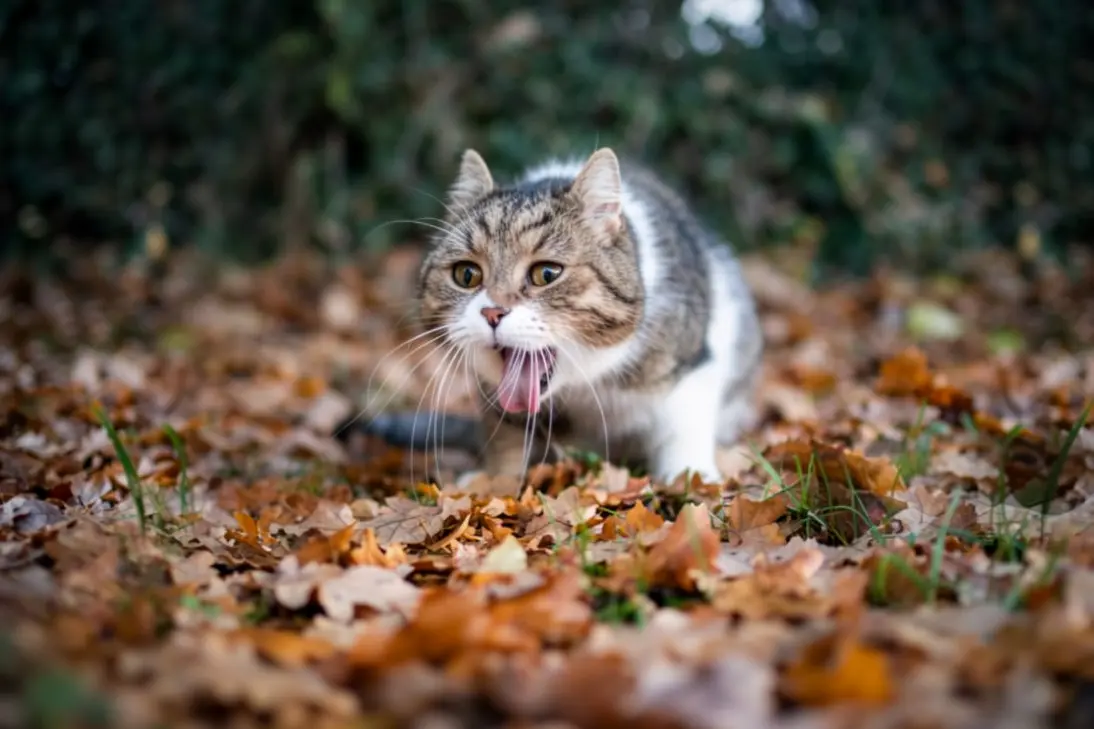
Everything you need to know about cat vomiting and how Veterinary AI can help. Can't find what you're looking for?
Start Symptom AssessmentWorry if vomiting is frequent (more than 2-3 times), contains blood, or is accompanied by lethargy, hiding, or decreased appetite.
Yes, hairballs are common in cats. However, persistent vomiting without hairball production may indicate other issues requiring veterinary evaluation.
Contact your veterinarian immediately. Lethargy with vomiting indicates your cat is unwell and requires prompt medical evaluation.
Red vomit indicates blood (emergency). Dark coffee-ground material suggests digested blood. Yellow/green may indicate bile. All warrant veterinary attention.
Yes, eating too quickly can cause regurgitation. Using puzzle feeders or small, frequent meals helps prevent this behavior.