Cat Walking in Circles? Get Clinical Triage Now

Veterinary AI provides objective, evidence-based guidance to help you assess your cat’s circling behavior. This supports, but never replaces, your in-person veterinary examination.

VETERINARY AI FOR PET OWNERS

Understanding Circling Behavior in Cats: A Clinical Perspective

Circling in cats often indicates dysfunction of the vestibular system, which controls balance and spatial orientation, or focal brain pathology affecting motor pathways. This symptom may arise from peripheral (inner ear) or central (brainstem, cerebellum, forebrain) lesions. Unlike other signs, persistent circling frequently signals serious conditions including otitis interna, intracranial neoplasia, or vascular events requiring prompt evaluation.

While occasional circling can be normal (chasing tail or following scents), persistent, directionally fixed circling warrants immediate attention. Avoid panic, but recognize that early evaluation distinguishes between benign peripheral causes and life-threatening central pathology. Veterinary AI offers structured triage to clarify when observation is appropriate versus when emergency assessment becomes critical.

Veterinary AI

Assess your cat's circling behavior with clinical precision

Common Causes of Cat Walking in Circles

Understanding these potential causes helps you identify circling concerns early and seek appropriate veterinary care.

Idiopathic Vestibular Disease

Acute-onset, non-progressive vestibular dysfunction without identifiable cause; often self-limiting with supportive care

Otitis Interna (Middle/Inner Ear Infection)

Deep ear infection affecting the vestibular apparatus, causing circling, head tilt, nystagmus, and ataxia

Intracranial Lesion (Tumor or CVA)

Central nervous system pathology (brain tumor, stroke, or inflammation) causing circling with other neurologic deficits

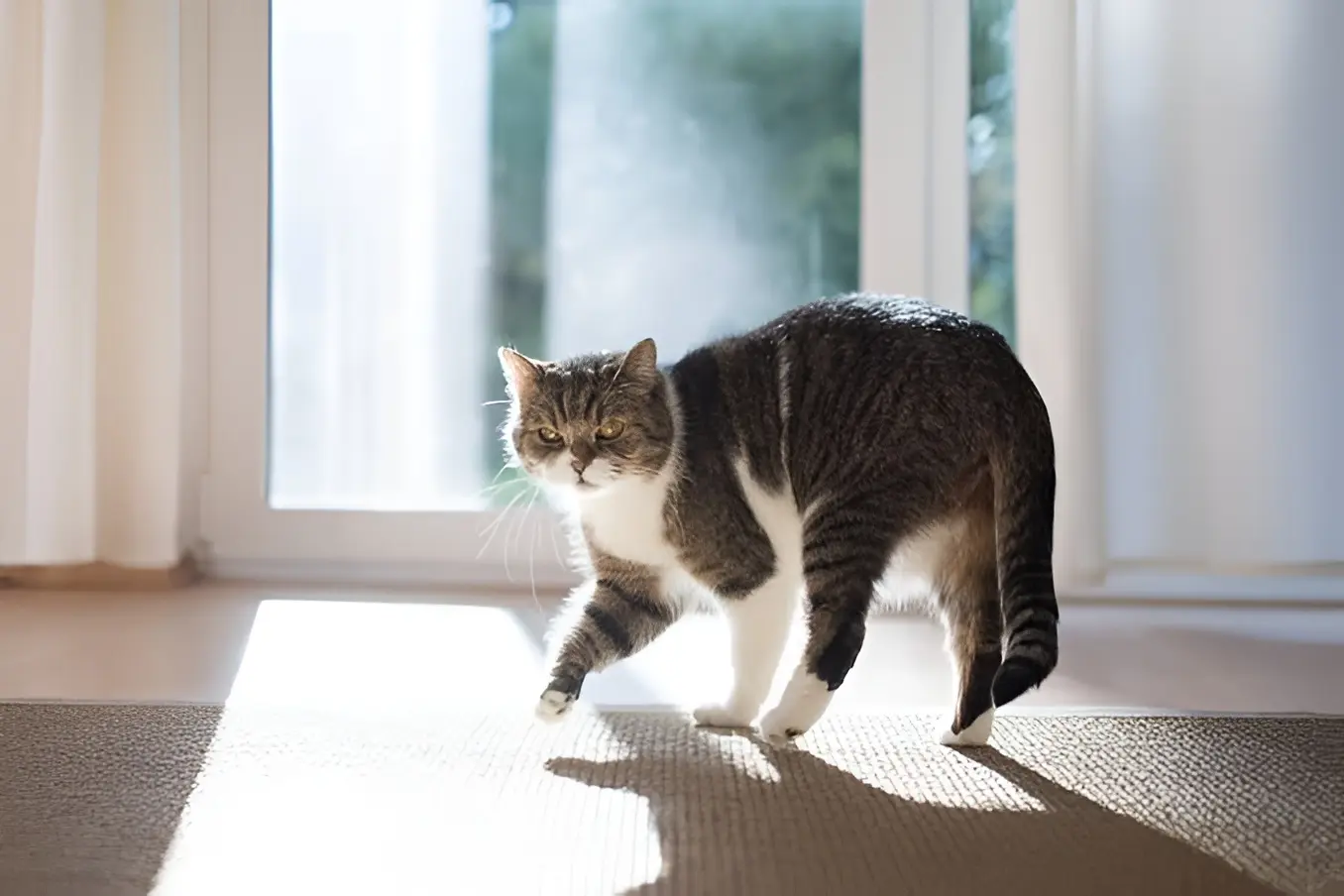
Cat walking in circles: clinical assessment and triage support

Ear Polyps or Neoplasia

Benign or malignant growths within the ear canal or middle ear causing vestibular dysfunction and progressive circling

Trauma or Head Injury

Physical injury affecting the vestibular system or brainstem, resulting in acute circling, ataxia, and other neurologic signs

Metabolic or Toxic Conditions

Systemic disease (hypothyroidism, thiamine deficiency, hepatic encephalopathy) or toxin exposure causing circling

If your cat is walking in circles persistently, especially with ataxia, nystagmus, or confusion, early detection is critical. Veterinary AI provides real-time clinical triage tailored to feline-specific neurologic risks; helping you distinguish between benign peripheral causes and conditions requiring prompt veterinary evaluation with clarity and confidence.

+0
Symptoms analyzed
by pet owners worldwide
+0
Pet owners trusting
AI for their pet's health
0/7
Available anytime
even at 2AM emergencies

Safe Home Care & Monitoring Guidelines

Non-invasive, medically safe measures to support your cat and monitor for circling-related changes

Circling Pattern Documentation

Document onset time, direction of circling (left or right), and severity; note if constant or intermittent and any changes

Balance and Mobility Monitoring

Observe for ataxia, falling, rolling, or difficulty walking; maintain a safe, confined space with soft bedding to prevent injury

Nystagmus Observation

Monitor for rapid eye movements (nystagmus); note direction, duration, and whether spontaneous or positional

Appetite and Hydration Assessment

Monitor appetite, water intake, and litter box usage; decreased intake may signal nausea, pain, or systemic illness

Safe Environment Setup

Provide easy access to food, water, and litter box on one level; consider raised bowls; remove obstacles and stairs

Clinical Summary Preparation

Document onset, circling direction, ataxia severity, nystagmus characteristics, appetite changes, and any other neurologic signs

These are supportive measures only. They do not replace professional veterinary assessment or treatment. Always consult your veterinarian for definitive guidance.

TESTIMONIALS

OPYNIO Reviews Cat Walking In Circles

When Can Veterinary AI Help You and Your Cat?

Timely, clinically-grounded support for every stage of your cat's circling assessment

Unsure About Severity?

When your cat walks in circles and you cannot determine whether it is a benign vestibular episode (idiopathic) or a sign of serious intracranial disease (tumor, stroke, inflammation) or deep ear infection requiring immediate veterinary attention.

Persistent or Escalating?

If your cat's circling persists, worsens, or is accompanied by ataxia, falling, nystagmus, vomiting, confusion, or behavioral changes; these may indicate progressive vestibular or intracranial pathology requiring urgent care.

Pre-Visit Preparation?

When you need clinically-grounded guidance while preparing the exact history (onset, circling direction, ataxia severity, nystagmus characteristics, appetite changes, and all neurologic observations) your veterinarian needs for differential diagnosis.

💡 Always trust your instincts. If you are concerned about your cat's circling behavior, Veterinary AI provides immediate, evidence-based assessment; but never delays seeking emergency care when your cat shows signs of severe ataxia, change in mentation, seizures, vomiting, or progressive neurologic deterioration.

Cat walking in circles showing signs of neurologic emergency requiring immediate veterinary care

When to Seek Immediate Emergency Care

Red flags that require urgent veterinary attention; and how Veterinary AI supports each critical decision when your cat shows concerning circling behavior.

Constant, Directionally Fixed Circling

Instant Symptom Analysis flags focal brain lesion or severe vestibular disease; immediate evaluation required

Persistent, Pronounced Nystagmus

Risk Scoring identifies brainstem or vestibular pathology; immediate veterinary care required

Change in Mentation (Confusion, Lethargy, Seizures)

24/7 Smart Triage detects progressive intracranial pathology; escalate to ER immediately

Vomiting, Nausea, or Anorexia

Urgency Assessment identifies severe vestibular nausea or systemic illness; immediate vet visit recommended

Sudden Onset with Falling or Rolling

Exportable Report documents acute neurologic deterioration for immediate emergency vet review

Progressive Neurologic Deterioration

Exportable Report captures worsening ataxia or paresis for your emergency veterinarian; go immediately

🚨 These signs require immediate in-person emergency veterinary care. Veterinary AI is not a substitute for emergency medical attention. If your cat shows any of these red flags alongside circling behavior, do not delay; seek emergency care immediately.

Monthly

Flexible, cancel anytime

€9.99 /month
AI symptom assessment
Emergency guidance 24/7
Preventive care reminders
Wellness monitoring
Breed-specific health tips
Unlimited conversations
Start monthly plan
SAVE 24%

Annual

Best value for your pet

€90.99 /year

Just €7.58/month

AI symptom assessment
Emergency guidance 24/7
Preventive care reminders
Wellness monitoring
Breed-specific health tips
Priority support
Start annual plan
Veterinary AI provides clinical triage support and educational information; it does not constitute a diagnosis, treatment plan, or substitute for professional, in-person veterinary care.

By submitting you agree to our Privacy Policy

Veterinary AI

AI-Powered Pet Care 24/7

More and more pet owners trust Veterinary AI for their pet's health. Get instant AI consultations, track medical records, set vaccine reminders, and access expert guidance — all from your phone. No waiting rooms, no appointments. Start now.
FAQ

Frequently Asked
Questions

Everything you need to know about cat circling behavior and how Veterinary AI can help. Can't find what you're looking for?

Start Symptom Assessment

Why is my cat walking in circles and tilting head?

This often indicates vestibular dysfunction affecting balance. Causes include inner ear infection, idiopathic vestibular disease, or central nervous system issues. Veterinary evaluation is recommended.

Can a cat walking in circles be a sign of a stroke?

Yes, circling can indicate a cerebrovascular accident (stroke) affecting the brainstem or forebrain. This requires immediate veterinary evaluation and often advanced imaging for diagnosis.

What does it mean if my cat circles to one side only?

Directionally fixed circling often indicates a focal brain lesion or vestibular dysfunction on the side toward which the cat circles. This localizing sign helps veterinarians identify the underlying cause.

Is circling in cats always a neurological problem?

Not always. While circling often indicates neurologic dysfunction, it can occasionally result from ear infections, metabolic disorders, or even behavioral issues. Veterinary examination is essential to differentiate causes.

How is a cat's circling behavior diagnosed?

Diagnosis involves complete neurologic examination, otoscopic exam, blood work, and potentially advanced imaging (MRI/CT) to differentiate peripheral from central causes.