Dog Drinking Too Much Water : Triage Support When You Need It

AI-powered clinical guidance helps you assess excessive thirst, monitor changes, and document symptoms—without replacing your veterinarian’s expertise.

VETERINARY AI FOR PET OWNERS

Why Excessive Thirst in Dogs Deserves Your Attention

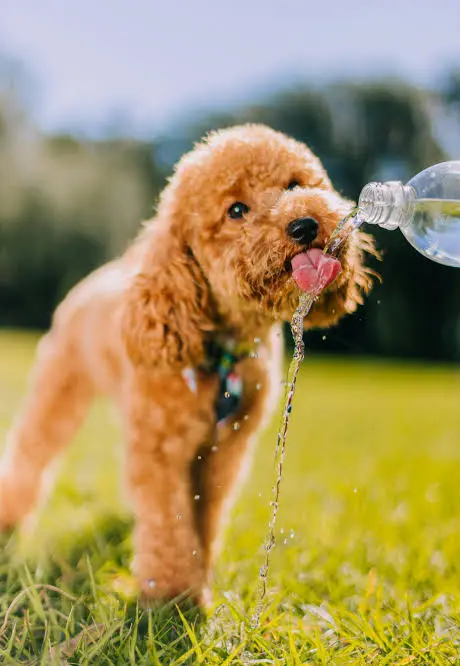
Increased water intake in dogs—clinically known as polydipsia—is a common sign of underlying conditions including diabetes, kidney disease, or hormonal imbalances. Early identification directly influences treatment outcomes.


Not all excessive drinking signals emergency. However, objective monitoring of intake patterns and accompanying signs helps you distinguish between behavioral causes and conditions requiring prompt veterinary evaluation.

Veterinary AI

Get personalized guidance for your pet's symptoms

Common Causes of Dog Drinking Too Much Water

These six possibilities range from behavioral to serious—know what to look for.

Behavioral or Dietary Factors

Increased thirst from warm weather, exercise, or dry food consumption; typically self-limiting.

Psychogenic Polydipsia

Compulsive water drinking behavior often linked to stress or boredom; requires behavioral assessment.

Diabetes Mellitus

Insufficient insulin production causing elevated blood glucose and osmotic diuresis; common in middle-aged dogs.

Chronic Kidney Disease

Progressive loss of renal function leading to impaired urine concentration; more prevalent in senior dogs.

Cushing's Syndrome

Overproduction of cortisol causing polydipsia, polyuria, and increased appetite; affects older dogs.

Addison's Disease or Electrolyte Imbalance

Adrenal insufficiency disrupting fluid and electrolyte balance; requires immediate endocrinological evaluation.

If your dog is drinking too much water and you’re uncertain about the severity, take informed action. Veterinary AI delivers real-time clinical triage tailored to your pet’s specific presentation—helping you distinguish between behavioral thirst and signs requiring urgent care with clarity and confidence.
+0
Symptoms analyzed
by pet owners worldwide
+0
Pet owners trusting
AI for their pet's health
0/7
Available anytime
even at 2AM emergencies
Person lovingly caring for dog at home

Safe Home Care & Monitoring Guidelines

Clinically safe, non-invasive steps you can take immediately to assess your dog's water intake, provide comfort, and gather the exact information your veterinarian needs.

Measure and record daily water intake: document exactly how much your dog drinks in a 24-hour period
Monitor urination frequency and volume: note if your dog needs to go outside more often or has accidents indoors
Observe appetite and weight: any changes in eating habits or unexplained weight loss warrant closer attention
Offer fresh water consistently but avoid restricting access: sudden water restriction can be dangerous in dogs with underlying conditions
Document any accompanying signs: vomiting, lethargy, changes in behavior, or altered energy levels
Keep a daily log of all observations: this timeline becomes invaluable for your veterinarian's assessment
Start Symptom Assessment

TESTIMONIALS

OPYNIO Reviews Dog Drinking Too Much Water

When Can Veterinary AI Help You and Your Dog?

 Veterinary AI delivers real-time clinical triage tailored to your dog’s specific presentation—helping you distinguish between behavioral thirst and signs requiring urgent care with clarity and confidence.

Unsure About Severity?

When your dog is drinking too much water and you're unsure of the severity, Veterinary AI provides evidence-based triage to distinguish behavioral thirst from signs requiring urgent care.

Persistent or Worsening?

If excessive thirst persists beyond 48 hours or your dog shows increased urination, appetite changes, or lethargy, Veterinary AI helps you compile a timeline and severity score for your vet.

Pre-Visit Preparation?

When you need clinically-grounded guidance to manage the next hours safely while preparing the exact history — onset, water intake volume, urination frequency, and associated signs — your vet needs for an informed consultation.

When to Seek Immediate Emergency Care

Red flags that require urgent veterinary attention, and how Veterinary AI supports each critical decision.

Vomiting, diarrhea, or loss of appetite alongside increased thirst: Veterinary AI's instant risk scoring flags gastrointestinal signs that may indicate diabetic ketoacidosis or Addisonian crisis requiring emergency attention
Lethargy, weakness, or collapse: Instant symptom analysis evaluates systemic severity indicators and provides urgency recommendations based on clinical thresholds
Difficulty breathing or rapid breathing: 24/7 smart triage categorizes respiratory symptoms into actionable severity levels with clear next-step recommendations
Sudden behavioral changes, confusion, or disorientation: 24/7 smart triage prompts you to check for neurological signs using visual guidance and red-flag rules
Seizures: Generating an exportable clinical summary report documents the event timeline, which becomes a critical reference for the ER team
Excessive thirst appears alongside fever or signs of abdominal pain: Generating an exportable clinical summary report compiles all symptoms into a one-page summary you can email or show directly to your veterinarian
Dog showing signs of distress needing emergency veterinary care

Monthly

Flexible, cancel anytime

€9.99 /month
AI symptom assessment
Emergency guidance 24/7
Preventive care reminders
Wellness monitoring
Breed-specific health tips
Unlimited conversations
Start monthly plan
SAVE 24%

Annual

Best value for your pet

€90.99 /year

Just €7.58/month

AI symptom assessment
Emergency guidance 24/7
Preventive care reminders
Wellness monitoring
Breed-specific health tips
Unlimited conversations
Priority support
Start annual plan

Veterinary AI provides clinical triage support and educational information based on evidence-based data. This platform does not replace professional in-person veterinary examination, diagnosis, or treatment. Always consult a licensed veterinarian for medical decisions regarding your pet’s health. In emergencies, contact your nearest veterinary hospital immediately.

By submitting you agree to our Privacy Policy

Veterinary AI

AI-Powered Pet Care 24/7

More and more pet owners trust Veterinary AI for their pet's health. Get instant AI consultations, track medical records, set vaccine reminders, and access expert guidance — all from your phone. No waiting rooms, no appointments. Start now.

FAQ

Frequently Asked
Questions

Everything you need to know about excessive thirst in dogs and how Veterinary AI can help. Can't find what you're looking for?

Contact Us

Why is my dog drinking a lot of water all of a sudden?

Sudden increased thirst may indicate diabetes, kidney issues, or hormonal changes. Veterinary evaluation with bloodwork and urinalysis is recommended.

How much water should a dog drink per day?

Normal intake is approximately 50-100 mL per kg of body weight daily. Excessive drinking exceeds this range consistently.

Can stress cause a dog to drink more water?

Yes, stress or anxiety can trigger increased drinking. However, medical causes should be ruled out first with a veterinary examination.

What tests will the vet run for excessive thirst?

Your veterinarian will typically perform bloodwork, urinalysis, and may recommend specific hormone tests depending on initial findings.

Is drinking too much water a sign of diabetes in dogs?

Yes, increased thirst and urination are classic signs of diabetes mellitus in dogs and warrant immediate veterinary blood glucose testing.