Dog Sleeping Too Much? Get Clinical Clarity Now.

Understand the clinical significance of excessive sleep with AI-driven triage support. Evidence-based guidance to assess urgency before your veterinary visit.

VETERINARY AI FOR PET OWNERS

Understanding Why Your Dog Sleeps Too Much: A Clinical Perspective

Dog sleeping too much, clinically termed lethargy or hypersomnia, is a nonspecific symptom that may indicate normal age-related changes or underlying systemic disease, pain, or metabolic dysfunction requiring careful evaluation.

Most increases in sleep duration are benign, particularly in senior dogs. However, objective monitoring and structured triage are essential — distinguishing normal rest from pathological lethargy ensures timely, appropriate intervention.

Veterinary AI

Assess your dog's excessive sleep with clinical precision

Common Causes of Dog Sleeping Too Much

Clinical etiologies range from normal age-related changes to underlying metabolic or systemic conditions requiring veterinary investigation.

Normal Age-Related Changes — Senior dogs naturally require more rest — up to 18 hours daily is normal for older pets
Post-Exercise Recovery — Increased sleep following intense physical activity indicates normal physiological recovery and muscle repair
Pain or Discomfort — Arthritis or musculoskeletal pain can increase sleep duration as a coping mechanism for chronic discomfort
Metabolic Disease — Hypothyroidism or diabetes can cause lethargy and excessive sleep requiring prompt veterinary diagnosis and management
Infectious Disease — Systemic infections often present with fever, lethargy, and increased sleeping — early intervention is essential
Neurological Conditions — Cognitive dysfunction or brain disorders can significantly alter sleep-wake cycles requiring specialized veterinary assessment
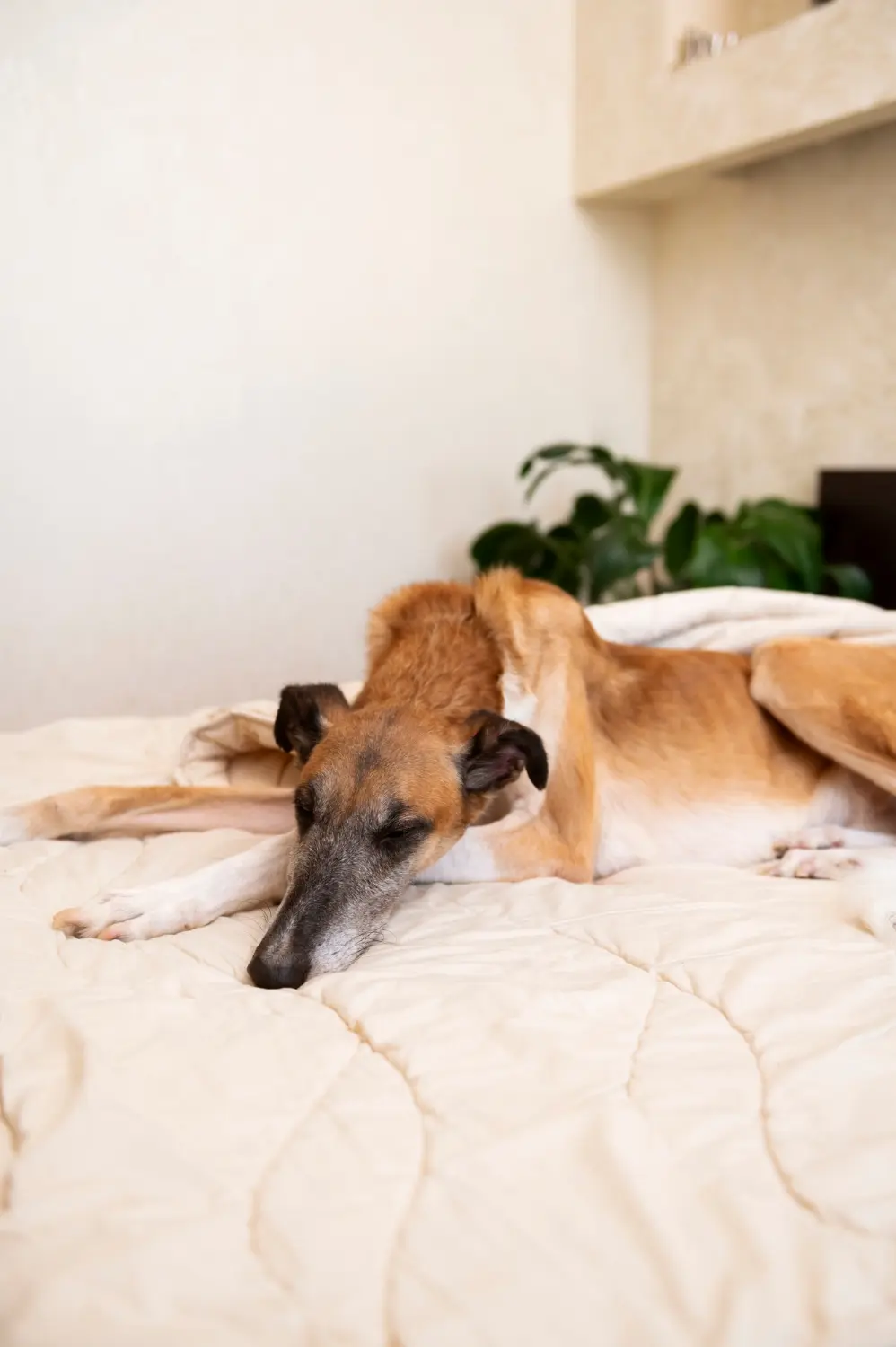
Dog sleeping excessively showing signs of lethargy requiring clinical assessment
+0
Symptoms analyzed
by pet owners worldwide
+0
Pet owners trusting
AI for their pet's health
0/7
Available anytime
even at 2AM emergencies

SAFE HOME CARE & MONITORING GUIDELINES

Practical, medically safe actions to support your dog while monitoring their condition

Track Sleep Hours

Document total daily sleep — any significant increase from baseline warrants attention

Monitor Responsiveness

Does your dog wake easily and engage normally — or is arousal difficult and delayed?

Check Hydration Status

Monitor water intake — decreased drinking may indicate illness or metabolic disturbance

Observe Appetite and Eating

Note any decrease in food intake — appetite loss with lethargy requires veterinary attention

Assess Gum Color

Pink is normal — pale, gray, or blue gums indicate circulatory or oxygenation concerns

Maintain Symptom Diary

Record sleep patterns, appetite, responsiveness, and any changes for accurate veterinary reporting

⏱️ Do not delay veterinary assessment. Excessive sleep with decreased responsiveness, appetite loss, or pale gums requires prompt professional evaluation. Use Veterinary AI for immediate triage or contact your veterinarian.

TESTIMONIALS

OPYNIO Reviews Dog Sleeping Too Much

When Can Veterinary AI Help You and Your Dog?

Timely, clinically-grounded support for every stage of your dog’s care journey.

When your dog is sleeping too much and you're unsure of the severity — Veterinary AI delivers real-time clinical triage tailored to your pet's specific presentation, helping you distinguish between normal rest and signs of underlying disease requiring veterinary attention with clarity and confidence.
If excessive sleep persists despite normal activity, or your dog shows lethargy, weakness, appetite loss, or decreased responsiveness — Veterinary AI helps you distinguish between benign age-related changes and underlying conditions requiring veterinary attention with clarity and confidence.
When you need clinically-grounded guidance before your veterinary visit — Veterinary AI delivers an exportable clinical summary with structured data, helping you prepare for a productive, informed consultation with your veterinarian.

💡 Always trust your instincts. If you're concerned about your dog's excessive sleep or lethargy, Veterinary AI provides immediate, evidence-based assessment — but never delays seeking emergency care when your dog shows signs of unresponsiveness, pale gums, vomiting, or difficulty breathing.

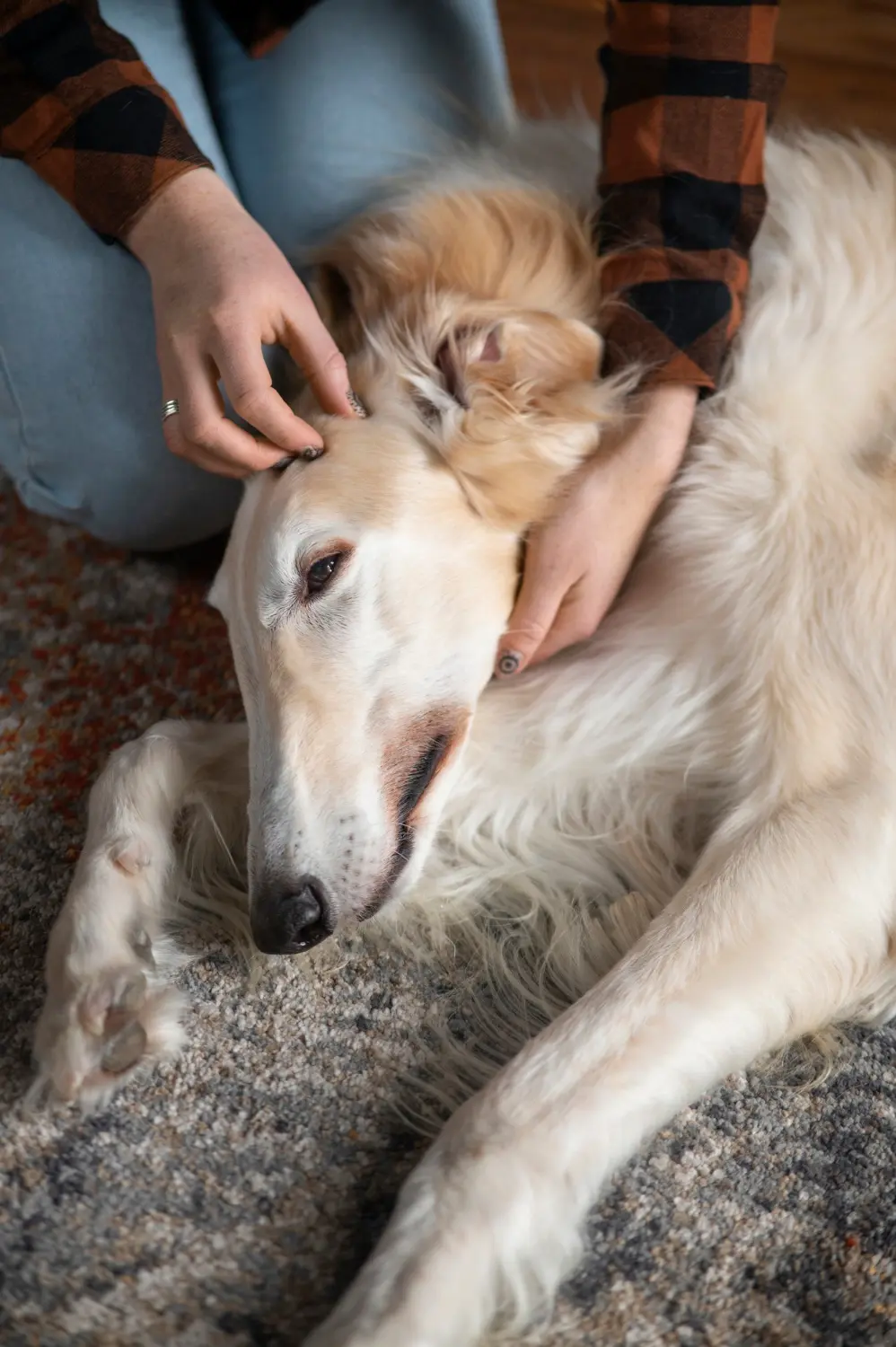
Dog showing signs of severe lethargy needing emergency veterinary care

When to Seek Immediate Emergency Care

Red flags that require urgent veterinary attention — and how Veterinary AI supports each critical decision when your dog is sleeping too much.

Unresponsiveness or Difficulty Waking

Instant Risk Scoring flags neurological or metabolic risk — immediate evaluation required

Pale, Gray, or Blue-Tinged Gums

Risk Scoring identifies circulatory or oxygenation urgency — prompts emergency referral

Labored Breathing or Respiratory Distress

Urgency Level Assessment provides real-time escalation pathways for respiratory emergencies

Vomiting, Diarrhea, or Abdominal Pain

Urgency Assessment evaluates infection, obstruction, or metabolic crisis severity

Neurological Signs: Seizures or Circling

Exportable Report compiles progression timeline for immediate ER handover

Fever, Collapse, or Sudden Severe Lethargy

Exportable Report documents systemic signs for immediate veterinary review

If your dog is sleeping too much and shows any of these red flags, do not delay. Veterinary AI helps you prepare for emergency care while generating a clinical summary report for your veterinarian — but immediate veterinary attention is essential.

Monthly

Flexible, cancel anytime

€9.99 /month
AI symptom assessment
Emergency guidance 24/7
Preventive care reminders
Wellness monitoring
Breed-specific health tips
Unlimited conversations
Start monthly plan
SAVE 24%

Annual

Best value for your pet

€90.99 /year

Just €7.58/month

AI symptom assessment
Emergency guidance 24/7
Preventive care reminders
Wellness monitoring
Breed-specific health tips
Unlimited conversations
Priority support
Start annual plan

By submitting you agree to our Privacy Policy

Veterinary AI

AI-Powered Pet Care 24/7

More and more pet owners trust Veterinary AI for their pet's health. Get instant AI consultations, track medical records, set vaccine reminders, and access expert guidance — all from your phone. No waiting rooms, no appointments. Start now.
FAQ

Frequently Asked
Questions

Everything you need to know about lethargy and excessive sleep in dogs and how Veterinary AI can help. Can't find what you're looking for?

Start Symptom Assessment

Why is my dog sleeping too much?

Common causes include normal aging, post-exercise recovery, pain, metabolic disease, infection, or neurological conditions requiring evaluation.

Is excessive sleep in dogs an emergency?

Usually not, but unresponsiveness, pale gums, difficulty breathing, vomiting, or collapse require immediate veterinary attention.

How many hours a day should a dog sleep?

Adult dogs typically sleep 12-14 hours daily; seniors may sleep up to 18 hours. A sudden increase warrants veterinary assessment.

Can dog lethargy be caused by depression?

Yes, environmental changes, loss of companions, or decreased activity can cause behavioral lethargy requiring enrichment and support.

When should I see a vet for dog sleeping too much?

Seek veterinary advice if excessive sleep persists beyond 48 hours, or is accompanied by appetite loss, weakness, vomiting, or behavioral changes.