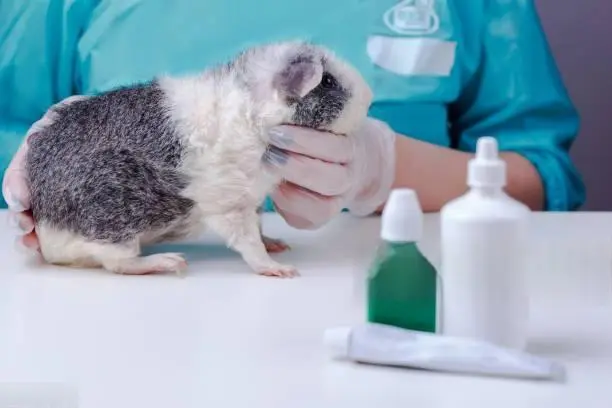
Get objective, clinically grounded triage support for your guinea pig’s diarrhea or loose stools. Veterinary AI helps you assess severity and prepares you for your in-person exotic veterinary consultation.
Guinea pigs have highly sensitive digestive systems requiring a delicate balance of gut flora. Diarrhea indicates gastrointestinal distress and can rapidly lead to life-threatening dehydration, electrolyte imbalance, and gastrointestinal stasis, especially in young or debilitated animals.
While mild soft stools may occur from dietary changes, true watery diarrhea is a medical emergency. Objective triage is essential; distinguishing between dietary indiscretion and serious enteric infection (includingΒ ClostridiumΒ overgrowth) can be life-saving.
Diarrhea in guinea pigs arises from various triggers, from mild to life-threatening.
Dietary Indiscretion or Sudden Food Change
Abrupt diet changes or new vegetables disrupt gut flora, causing soft stools and digestive upset.
Too Many Sugary or High-Water Vegetables
Excess fruits or watery vegetables (cucumber, lettuce) can cause loose stools and digestive imbalance.
Dental Disease or Pain
Pain from dental issues reduces eating, altering gut flora and causing digestive upset and soft stools.
Antibiotic-Associated Dysbiosis
Certain antibiotics (penicillin, amoxicillin) disrupt gut flora, causing fatal diarrhea; veterinary guidance is essential.
Bacterial or Parasitic Infection
Clostridium, Salmonella, or Giardia cause severe, life-threatening diarrhea requiring immediate veterinary care.
Systemic Illness or Organ Failure
Hepatic, renal, or neoplastic conditions causing gastrointestinal disturbances; requires urgent veterinary evaluation.
β¦ This list represents common causes of guinea pig diarrhea but does not constitute a complete diagnosis. Guinea pigs have sensitive digestive systems; diarrhea is a medical emergency that can rapidly lead to life-threatening dehydration, electrolyte imbalance, and gastrointestinal stasis. Persistent diarrhea in guinea pigs requires immediate exotic veterinary evaluation. Veterinary AI provides real-time clinical triage tailored to guinea pig diarrhea, helping you recognize the urgency and prepare for your veterinary consultation with clarity and confidence.
Non-invasive, medically safe measures to support your guinea pig and monitor for diarrhea
Monitor Hydration Status
Check for skin tenting, sunken eyes, or dry mouth; dehydration worsens rapidly with diarrhea
Offer Fresh Hay and Water
Provide unlimited fresh hay and clean water; hay is essential for gut motility and digestive health
Remove Fresh Vegetables Temporarily
Stop all vegetables to allow the digestive system to settle and reduce further irritation
Weigh Daily
Use a gram scale to monitor weight; any loss of 5-10% warrants immediate veterinary attention
Check for Bloating
Gently feel the abdomen for firmness or distension; bloat is a medical emergency requiring immediate care
Do NOT Administer Medications
Never give anti-diarrheal medications without veterinary guidance; they can be dangerous for guinea pigs
β These guidelines are temporary measures. Guinea pigs have sensitive digestive systems; diarrhea is a medical emergency that can rapidly lead to life-threatening dehydration, electrolyte imbalance, and gastrointestinal stasis. Seek immediate exotic veterinary evaluation if your guinea pig shows watery diarrhea, lethargy, anorexia, dehydration, or signs of bloating. Do not delay seeking care.
TESTIMONIALS
Timely, clinically-grounded support for every stage of your guinea pig's diarrhea assessment
When your guinea pig has diarrhea and you cannot determine whether it signals a mild digestive upset or a life-threatening emergency requiring immediate exotic veterinary intervention.
If your guinea pig has diarrhea for more than 6-12 hours and shows signs of lethargy, anorexia, dehydration, or bloating β these may indicate serious underlying illness requiring urgent exotic veterinary care.
When you need clinically grounded, exportable guidance to maximize the effectiveness of your upcoming exotic veterinary visit; including a structured summary documenting duration of diarrhea, stool appearance, hydration status, and observations.
π‘ Always trust your instincts. If you are concerned about your guinea pig's diarrhea, Veterinary AI provides immediate, evidence-based assessment; but never delays seeking emergency exotic care when a guinea pig shows watery diarrhea, lethargy, anorexia, dehydration, or signs of bloating. Diarrhea in guinea pigs is a medical emergency that can rapidly lead to life-threatening dehydration and gastrointestinal stasis. Seek immediate exotic veterinary care.
Guinea pig diarrhea is a life-threatening emergency. These warning signs require prompt exotic veterinary attention, supported by Veterinary AI's core tools when your guinea pig has diarrhea.
Watery diarrhea with lethargy and anorexia is flagged as a critical emergency; this may indicate life-threatening enteritis or Clostridium overgrowth requiring immediate exotic veterinary intervention.
Blood or mucus in the stool signals severe intestinal infection requiring immediate emergency evaluation and intensive care.
Signs of dehydration (sunken eyes, skin tenting) requires organized data for your emergency exotic vet; our report consolidates duration of diarrhea, symptoms, and clinical history for rapid evaluation.
Bloating or firm, distended abdomen alongside diarrhea triggers an alert; this may indicate gastrointestinal ileus requiring immediate veterinary assessment.
Not eating or drinking for 6-12 hours with diarrhea signals severe systemic involvement requiring immediate veterinary evaluation and fluid therapy.
Weight loss exceeding 5% with diarrhea requires comprehensive data; our summary documents all observations to help your exotic veterinarian expedite care and determine the underlying cause.
π¨ Any of these signs? Seek emergency care NOW.
Veterinary AI prepares a clinical summary for your emergency exotic veterinarian while you prepare, but prompt emergency attention is essential for guinea pigs with watery diarrhea, lethargy, anorexia, dehydration, bloating, or signs of gastrointestinal distress. Guinea pig diarrhea is a life-threatening emergency that can rapidly lead to severe dehydration and death. Remove fresh vegetables, offer hay and water, and transport to the nearest exotic animal emergency hospital immediately. Do not delay seeking care.
Flexible, cancel anytime
Best value for your pet
Just β¬7.58/month
Thanks for your interest in Veterinary AI. We'll notify you as soon as your AI consultation is ready. Check your email for confirmation.
More and more pet owners trust Veterinary AI for their pet's health. Get instant AI consultations, track medical records, set vaccine reminders, and access expert guidance β all from your phone. No waiting rooms, no appointments. Start now.
Everything you need to know about guinea pig diarrhea and how Veterinary AI can help. Can't find what you're looking for?
Start Diarrhea AssessmentCauses include sudden dietary changes, antibiotic use, bacterial infections (Clostridium, Salmonella), parasites, or systemic illness requiring veterinary evaluation.
Yes. Excessive watery vegetables (cucumber, lettuce) or sudden introduction of new vegetables can cause soft stools and digestive upset.
Yes. Diarrhea can rapidly cause life-threatening dehydration, electrolyte imbalance, and gastrointestinal stasis requiring immediate exotic veterinary care.
Remove fresh vegetables, offer unlimited hay and water, monitor hydration, and seek exotic veterinary care immediately.
No. Guinea pigs with diarrhea require veterinary diagnosis and treatment; delay can be fatal due to rapid dehydration and gastrointestinal stasis.