Clinical Guidance for Lumps in Hamsters

Get objective, clinically grounded triage support for your hamster’s new lump or mass. Veterinary AI helps you assess severity and prepares you for your in-person exotic veterinary consultation.

VETERINARY AI FOR PET OWNERS

Understanding Lumps in Hamsters: When to Be Concerned

Lumps or masses in hamsters can range from benign lipomas and abscesses to malignant tumors (including lymphoma and mammary tumors). Early detection and professional evaluation are essential; even benign masses can impair mobility or function if they grow large enough to interfere with normal activities.

While many lumps in hamsters are benign, delaying evaluation is risky. Abscesses require drainage and antibiotics; tumors may need surgical removal. Hamsters have a short lifespan (1.5-3 years) but can enjoy excellent quality of life with prompt veterinary care. Objective triage helps you determine the urgency and prepare for your exotic vet consultation.

Veterinary AI

Assess your hamster's new lump with clinical precision

Common Causes of Lumps in Hamsters

Lumps in hamsters arise from various causes, from benign to malignant.

Lipoma (Benign Fatty Tumor)

Soft, movable, often slowly growing; common on abdomen and flanks; generally non-painful.

Abscess or Cyst

Firm, sometimes painful swelling; caused by infection, may contain pus; requires drainage and antibiotics.

Hematoma or Trauma-Related Swelling

Soft, discolored swelling from injury or trauma; often resolves with time and supportive care.

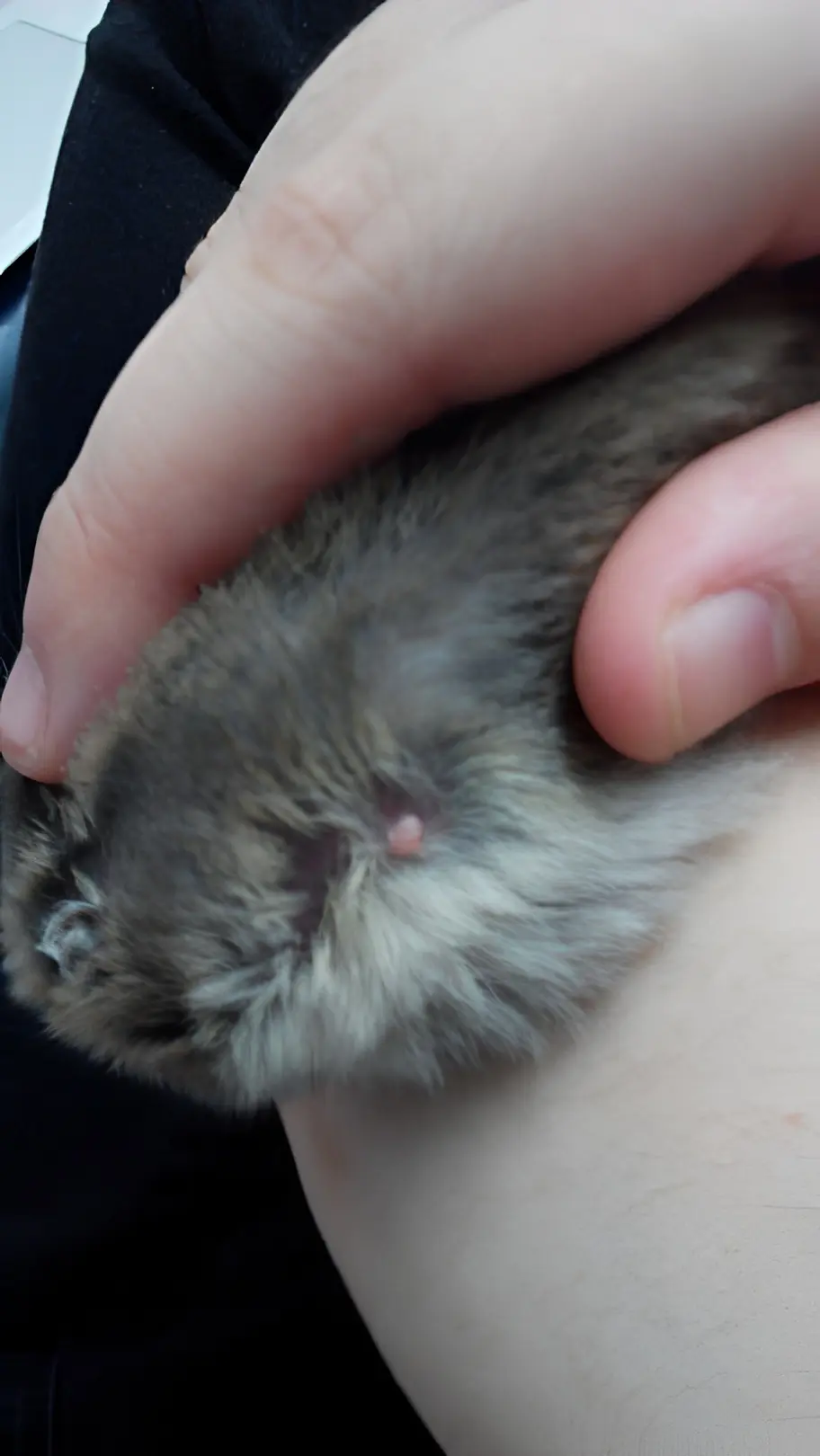
Hamster with a visible lump or mass on the body, showing potential tumor or abscess

Mammary Tumor

Common in female hamsters; located near nipples on abdomen; can be benign or malignant.

Lymphoma (Malignant)

Firm, non-painful masses; often multiple; associated with weight loss and lethargy; prognosis poor.

Squamous Cell Carcinoma (Malignant)

Ulcerated, rapidly growing skin tumor; requires aggressive treatment and veterinary evaluation.

This list represents common causes of lumps in hamsters but does not constitute a complete diagnosis. Any new lump or mass requires veterinary evaluation; while many lumps are benign (lipomas, cysts), some may be malignant. Early detection and professional assessment are essential — even benign masses can impair mobility or function if they grow large enough. Veterinary AI provides real-time clinical triage tailored to your hamster's lump, helping you determine urgency and prepare for your veterinary consultation with clarity and confidence.

+0
Symptoms analyzed
by pet owners worldwide
+0
Pet owners trusting
AI for their pet's health
0/7
Available anytime
even at 2AM emergencies

Safe Home Care & Monitoring Guidelines

Non-invasive, medically safe measures to support your kitten and monitor for appetite loss

Offer Warm, Aromatic Food

Gently warm wet food to enhance aroma; try offering a small amount of kitten-specific food or bland chicken baby food (no onion/garlic)

Check Hydration Status

Perform a skin tent test; if skin remains tented, dehydration is present. Offer water or unflavored electrolyte solution

Monitor for Hypoglycemia

Check gums; pale or tacky gums may indicate low blood sugar. Rub a small amount of corn syrup or honey on gums if weak

Observe for Vomiting or Diarrhea

Document frequency and consistency; dehydration can worsen rapidly; contact veterinarian if persistent

Keep Warm and Stress-Free

Provide a quiet, warm environment; reduce handling and noise to minimize stress and encourage eating

Do NOT Force-Feed

Never force food or water into a kitten's mouth; this can cause aspiration pneumonia and worsen the condition

These guidelines are temporary measures. Kittens have high metabolic demands and limited energy reserves. Refusal to eat for more than 12 hours is a medical emergency. Seek immediate veterinary evaluation if your kitten shows lethargy, weakness, pale gums, vomiting, diarrhea, or any signs of dehydration. Do not delay seeking care.

TESTIMONIALS

OPYNIO Reviews Hamster Lump On Body

When Can Veterinary AI Help You and Your Hamster?

Timely, clinically-grounded support for every stage of your hamster's lump assessment

Unsure About Urgency?

When your hamster develops a new lump and you need guidance on how urgent this is and whether it requires immediate veterinary intervention.

Signs of Deterioration?

If the lump is growing, changing in texture, or accompanied by signs of illness (weight loss, lethargy, anorexia) — these may indicate serious underlying pathology requiring urgent exotic veterinary care.

Pre-Visit Preparation?

When you need clinically grounded, exportable guidance to maximize the effectiveness of your upcoming exotic veterinary visit; including a structured summary documenting location, size, texture, growth timeline, and observations.

💡 Always trust your instincts. If you are concerned about your hamster's new lump, Veterinary AI provides immediate, evidence-based assessment; but never delays seeking veterinary care when a lump is rapidly growing, ulcerating, bleeding, or your hamster shows weight loss, lethargy, or anorexia. Any new lump requires professional evaluation. Seek immediate exotic veterinary care if the lump is growing rapidly or your hamster shows signs of systemic illness.

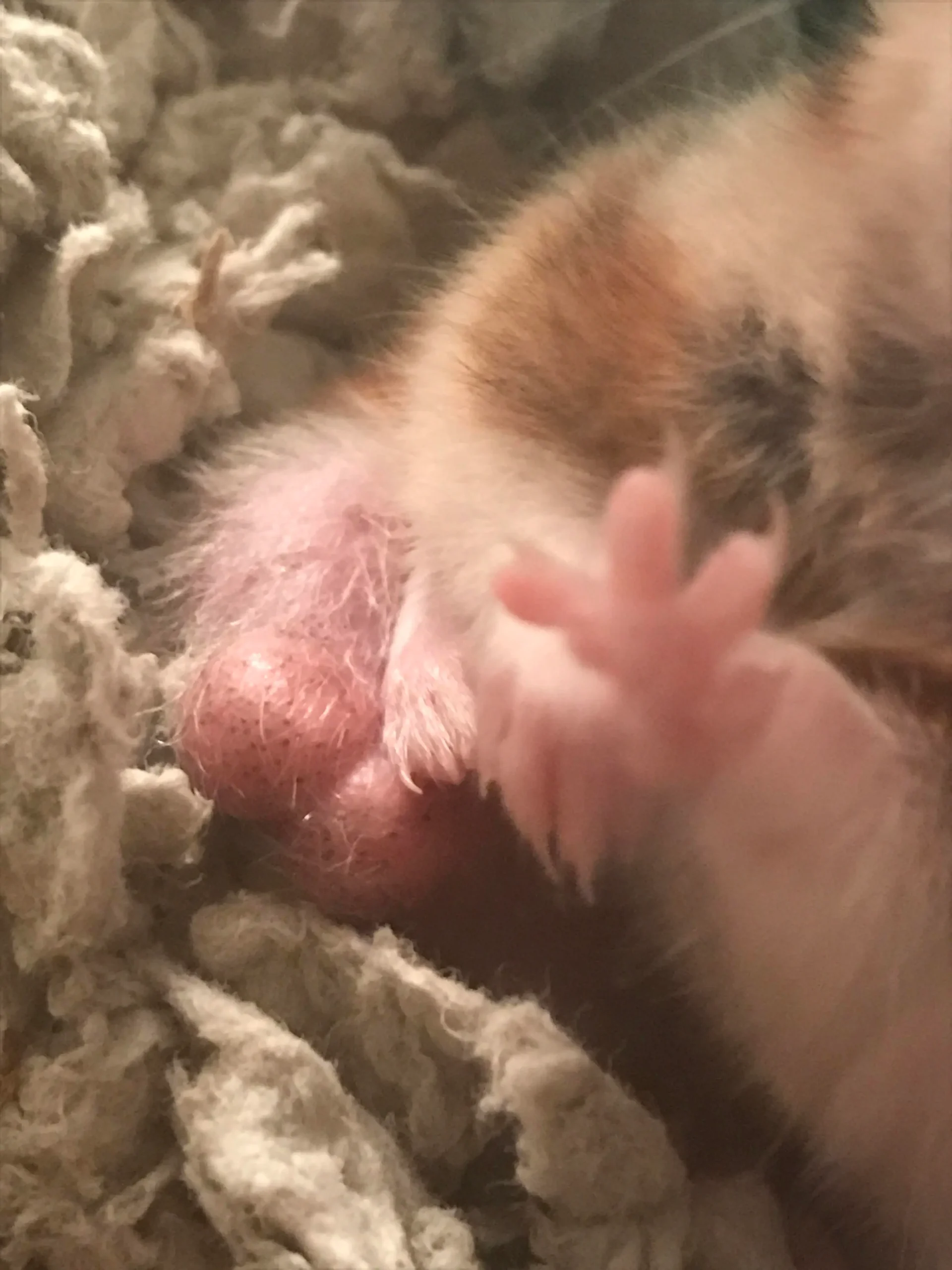
Hamster with concerning lump showing emergency signs requiring immediate exotic veterinary care

When to Seek Immediate Emergency Care

Red flags that require urgent exotic veterinary attention; and how Veterinary AI supports each critical decision when your hamster develops a new lump.

Rapidly Growing Lump

Instant Risk Scoring flags potential aggressive malignancy; immediate exotic evaluation required

Ulcerated or Bleeding Lump

Risk Scoring prioritizes secondary infection and potential malignancy; urgent care required

Lump Causing Obstruction

24/7 Smart Triage detects functional compromise (eating, breathing, moving); escalate immediately

Weight Loss with Lump

Urgency Assessment identifies potential systemic malignancy; immediate exotic vet visit required

Lethargy or Anorexia with Lump

Exportable Report documents systemic signs for your exotic vet; go immediately

Multiple Rapidly Growing Masses

Exportable Report captures all observations for your emergency exotic veterinarian; seek care now

🚨 These signs require immediate in-person exotic veterinary care. Veterinary AI is not a substitute for emergency medical attention. If your hamster shows any of these red flags alongside a new lump, do not delay; seek emergency exotic veterinary care immediately.

Monthly

Flexible, cancel anytime

€9.99 /month
AI symptom assessment
Emergency guidance 24/7
Preventive care reminders
Wellness monitoring
Breed-specific health tips
Unlimited conversations
Start monthly plan
SAVE 24%

Annual

Best value for your pet

€90.99 /year

Just €7.58/month

AI symptom assessment
Emergency guidance 24/7
Preventive care reminders
Wellness monitoring
Breed-specific health tips
Priority support
Start annual plan
Veterinary AI provides clinical triage support and educational information; it does not constitute a diagnosis, treatment plan, or substitute for professional, in-person veterinary care.

By submitting you agree to our Privacy Policy

Veterinary AI

AI-Powered Pet Care 24/7

More and more pet owners trust Veterinary AI for their pet's health. Get instant AI consultations, track medical records, set vaccine reminders, and access expert guidance — all from your phone. No waiting rooms, no appointments. Start now.
FAQ

Frequently Asked
Questions

Everything you need to know about hamster lumps and how Veterinary AI can help. Can't find what you're looking for?

Start Lump Assessment

Are lumps on hamsters always cancerous?

No. Many lumps are benign (lipomas, cysts, abscesses) but all require veterinary evaluation to confirm diagnosis.

What should I do if my hamster has a lump?

Schedule an exotic veterinary appointment; monitor size, texture, and behavior changes; do NOT attempt to drain or squeeze the lump.

Can a hamster abscess heal on its own?

No. Abscesses require veterinary drainage and antibiotics; they do not resolve spontaneously and can worsen.

How can I tell if a lump is malignant?

Only a veterinarian can determine this through fine needle aspiration or biopsy. Rapid growth and weight loss are warning signs.

When is a lump on a hamster an emergency?

If the lump grows rapidly, bleeds, ulcerates, or your hamster shows lethargy, anorexia, or weight loss, seek immediate exotic veterinary care.