Get immediate, data-driven insights into your dog’s decreased water intake and know exactly when it’s time to see a vet.
Water is absolutely essential for your dog’s vital organs, and a sudden refusal to drink can quickly lead to dangerous dehydration if left unaddressed. While this situation can certainly be alarming for any pet owner, it is important to recognize that ignoring the water bowl, a condition known as hypodipsia, can stem from a wide range of underlying causes. These may include anything from minor environmental changes, such as stress or unfamiliar surroundings, to more serious health issues like infections, dental pain, gastrointestinal discomfort, or systemic illnesses.
The key is close observation rather than panic. Monitoring the time since their last drink and checking for symptoms like lethargy or vomiting helps determine the clinical urgency. Our AI assistant helps you evaluate these signs to make safe, informed decisions for your pet’s health.
A dog’s reluctance to drink can result from various factors, ranging from simple behavioral changes to severe medical conditions.
Switching to wet or raw food naturally reduces the need for additional water intake
Unfamiliar surroundings, stress, or changes in the water's taste or temperature can deter drinking
Dental abscesses, broken teeth, or mouth injuries make lapping water highly uncomfortable for dogs
Osteoarthritis or joint pain in older dogs can make reaching the water bowl physically difficult
Gastrointestinal upset, vomiting, or stomach pain significantly suppress both the appetite and the thirst drive
Kidney disease, infections, or fever often disrupt normal hydration mechanisms, requiring urgent medical attention
These supportive measures help you monitor your dog while awaiting professional veterinary evaluation.
Skin Turgor Test
Gently lift skin at scruff; slow return (>2 seconds) indicates dehydration.
Gum Moisture Check
Dry or sticky gums indicate dehydration; moist gums suggest adequate hydration.
Offer Alternative Fluids
Provide ice chips or diluted low-sodium broth to gently encourage intake.
Fresh Water Presentation
Change water frequently; use a clean bowl in a quiet, accessible location.
Monitor Urine Output
Dark, concentrated urine or reduced frequency indicates inadequate hydration.
No Force-Feeding Fluids
Never force water orally; aspiration risk is significant. Offer, do not force.
⚠️ These guidelines do not replace veterinary care. If water refusal persists beyond 12–24 hours or your dog shows weakness, vomiting, or collapse, contact your veterinarian immediately.
TESTIMONIALS
Dog Not Drinking Water? Use Veterinary AI to instantly analyze your pet’s clinical symptoms and determine if they require urgent emergency care or safe home monitoring.
Our AI triage helps you distinguish between mild fluid reduction and clinically significant dehydration risk, providing structured guidance for observation and intervention.
Receive structured guidance on hydration monitoring and timing for veterinary intervention, helping you determine when professional care is needed.
Our platform generates an exportable clinical summary documenting water intake, hydration status, and observed signs for effective veterinary communication
Red flags that require urgent veterinary attention and how Veterinary AI supports each critical decision when your dog stops drinking water.
Instant Symptom Analysis & Risk Scoring flags moderate to severe dehydration, prompting immediate emergency recommendation.
24/7 Smart Triage & Urgency Level Assessment identifies fluid loss and absorption failure, requiring urgent evaluation.
Instant Symptom Analysis & Risk Scoring detects compromised tissue perfusion and escalates urgency.
24/7 Smart Triage & Urgency Level Assessment triggers critical alert status with emergency contact guidance.
Generating an Exportable Clinical Summary Report for the Vet documents all symptoms for rapid emergency response.
Generating an Exportable Clinical Summary Report ensures your vet receives comprehensive clinical context at first contact.
Flexible, cancel anytime
Best value for your pet
Just €7.58/month
Thanks for your interest in Veterinary AI. We'll notify you as soon as your AI consultation is ready. Check your email for confirmation.
More and more pet owners trust Veterinary AI for their pet's health. Get instant AI consultations, track medical records, set vaccine reminders, and access expert guidance — all from your phone. No waiting rooms, no appointments. Start now.
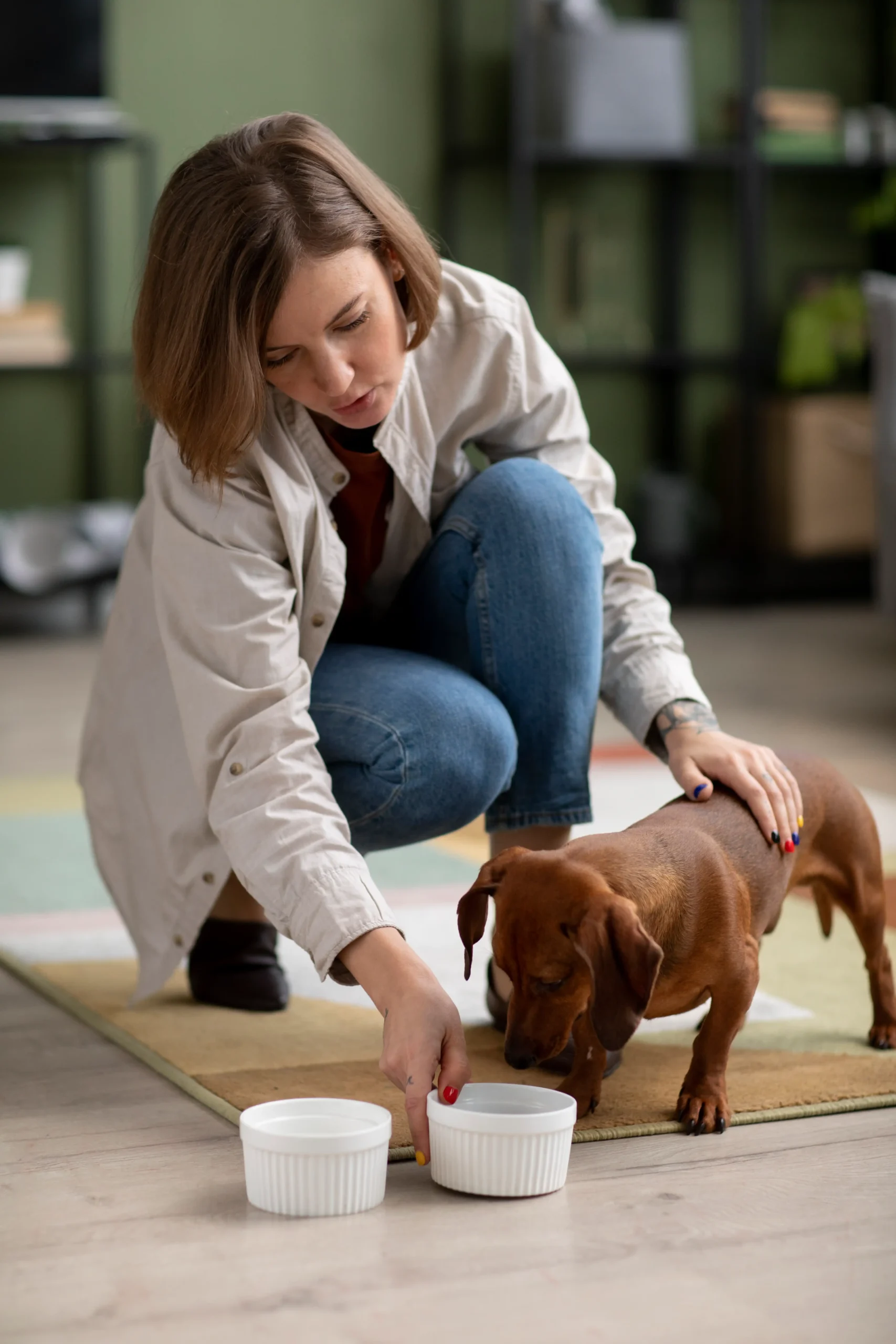
Common concerns about canine hydration and water refusal, answered with clinical clarity. Still have questions about your dog's symptoms?
Contact UsA dog should not go without water for more than 24 hours. Beyond this window, the risk of severe dehydration, organ stress, and metabolic imbalance increases significantly, requiring professional veterinary evaluation.
Yes, environmental stressors, anxiety, moving to a new home, or changes in the household routine can temporarily inhibit a dog's drinking behavior. Persistent refusal requires clinical investigation.
Yes. Wet food contains high moisture levels, which can satisfy a portion of your dog's daily hydration requirements, leading to a natural decrease in voluntary water bowl consumption.
Key signs include dry or sticky gums, lethargy, sunken eyes, and a delay in the skin returning to its normal position when gently pinched between the shoulder blades.
It becomes an emergency if the refusal exceeds 24 hours, or if it is accompanied by vomiting, severe lethargy, blood in stool, pale gums, or neurological disorientation.