Dog Not Peeing? Clinical Triage Starts Here

Get objective, data-driven guidance for your dog’s urinary retention—supporting your clinical decisions without replacing your veterinarian.

VETERINARY AI FOR PET OWNERS

Understanding Your Dog's Urinary Retention

A dog’s inability to urinate is a medical emergency that can arise from multiple origins—urinary tract obstruction, bladder stones, urethral blockage, neurological dysfunction, or severe dehydration. While some causes are manageable with prompt treatment, complete urinary obstruction is life-threatening.

Your concern is entirely valid. Urinary retention requires immediate attention, but accurate triage helps determine the urgency level. Veterinary AI helps you document, track, and contextualize your dog’s specific presentation—so you can make informed decisions about when and how urgently to seek in-person care.

Veterinary AI

Assess your dog's urinary retention with clinical precision

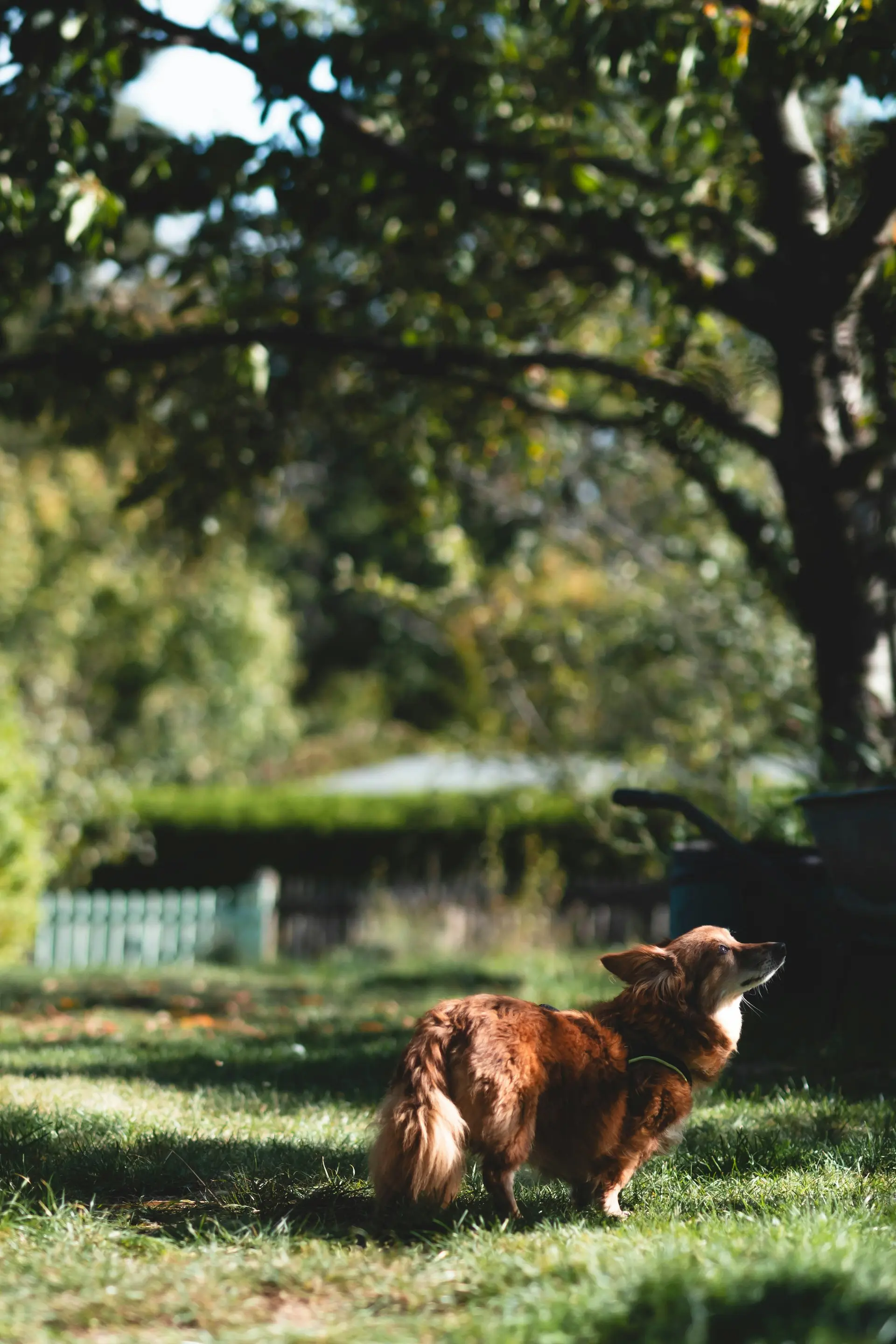
Dog struggling to urinate at home

Common Causes of Urinary Retention

Clinical etiologies range from behavioral factors to life-threatening emergencies requiring immediate intervention.

Dehydration or Low Fluid Intake

Reduced water consumption leading to decreased urine production

Urinary Tract Infection (UTI)

Bacterial infection causing inflammation and difficulty urinating

Bladder Stones (Urolithiasis)

Mineral crystals forming stones that obstruct the urethra

Urethral Obstruction

Complete blockage of the urethra—life-threatening emergency requiring immediate care

Prostate Disease (Male Dogs)

Enlarged prostate compressing the urethra—common in older intact males

Neurological Dysfunction

Nerve damage affecting bladder control—may result from spinal injury or degeneration

If your dog is not peeing and you're uncertain about the severity, take informed action. Veterinary AI delivers real-time clinical triage tailored to your pet's specific presentation—helping you distinguish between benign causes and signs requiring urgent care with clarity and confidence.

+0
Symptoms analyzed
by pet owners worldwide
+0
Pet owners trusting
AI for their pet's health
0/7
Available anytime
even at 2AM emergencies

Safe Home Care & Monitoring Guidelines

 Clinically safe, non-invasive steps you can take immediately to assess your dog’s urinary retention, provide comfort, and gather the exact information your veterinarian needs.

Track Urination Frequency

Record every attempt and whether urine was produced

Monitor for Straining

Watch for prolonged squatting or leg-lifting without urination

Check for Blood in Urine

Look for pink, red, or brown discoloration in the urine

Document Appetite and Thirst

Track water and food intake—reduced consumption may affect urine output

Observe Abdominal Distension

Gently feel for a firm, enlarged bladder—a potential obstruction warning

Keep Your Dog Calm

Restrict activity and reduce stress to minimize straining and discomfort

TESTIMONIALS

OPYNIO Reviews Dog Not Peeing

WHEN CAN VETERINARY AI HELP YOU AND YOUR DOG?

 Veterinary AI provides clinical support precisely when you need orientation.

When your dog is not peeing and you're unsure of the severity — Veterinary AI delivers real-time clinical triage tailored to your pet's specific presentation—helping you distinguish between benign causes and signs requiring veterinary attention with clarity and confidence
If urinary retention persists beyond 8 hours, or your dog shows straining, discomfort, or abdominal distension — Veterinary AI helps you distinguish between benign causes and signs requiring veterinary attention with clarity and confidence
When you need clinically-grounded guidance before your vet visit — Veterinary AI delivers real-time clinical triage tailored to your pet's specific presentation—helping you distinguish between benign causes and signs requiring veterinary attention with clarity and confidence

When to Seek Immediate Emergency Care

Red flags that require urgent veterinary attention — and how Veterinary AI supports each critical decision.

Complete inability to urinate for more than 8–12 hours — Instant Symptom Analysis & Risk Scoring flags urinary obstruction as a life-threatening emergency requiring immediate intervention
Straining with only a few drops or no urine production — Risk Scoring identifies complete or partial obstruction and escalates urgency classification
Palpably distended, firm bladder on abdominal exam — 24/7 Smart Triage & Urgency Level Assessment correlates with obstruction risk and recommends immediate evaluation
Vomiting, lethargy, or signs of systemic illness — Urgency Level Assessment alerts to potential kidney failure or post-renal azotemia requiring emergency care
Blood in urine with straining — Exportable Clinical Summary Report documents timeline, urine characteristics, and all clinical signs for emergency handover
Sudden onset of weakness, collapse, or altered mental status — Exportable Clinical Summary Report compiles progression timeline and systemic signs for immediate veterinary review
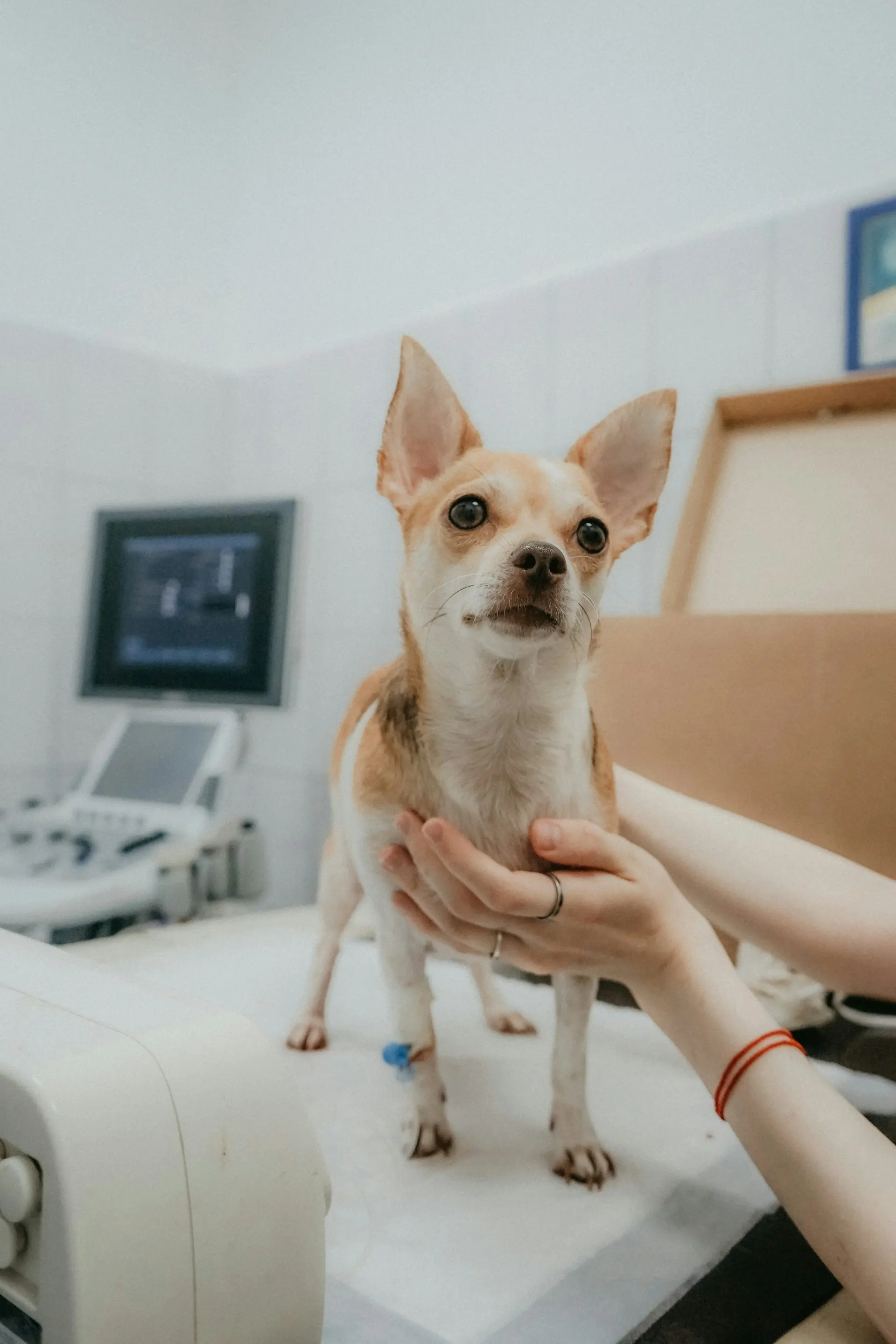
Dog showing signs of urinary distress needing emergency veterinary care

Monthly

Flexible, cancel anytime

€9.99 /month
AI symptom assessment
Emergency guidance 24/7
Preventive care reminders
Wellness monitoring
Breed-specific health tips
Unlimited conversations
Start monthly plan
SAVE 24%

Annual

Best value for your pet

€90.99 /year

Just €7.58/month

AI symptom assessment
Emergency guidance 24/7
Preventive care reminders
Wellness monitoring
Breed-specific health tips
Unlimited conversations
Priority support
Start annual plan

By submitting you agree to our Privacy Policy

Veterinary AI

AI-Powered Pet Care 24/7

More and more pet owners trust Veterinary AI for their pet's health. Get instant AI consultations, track medical records, set vaccine reminders, and access expert guidance — all from your phone. No waiting rooms, no appointments. Start now.
FAQ

Frequently Asked
Questions

Everything you need to know about urinary retention in dogs and how Veterinary AI can help. Can't find what you're looking for?

Start Symptom Assessment

When should I worry about my dog not peeing?

Seek emergency care if your dog hasn't urinated in 8–12 hours, is straining with little or no output, or shows abdominal distension or lethargy.

What causes a dog to stop peeing?

Common causes include urinary obstruction (stones, mass), dehydration, urinary tract infection, neurological issues, or prostate disease in males.

Can a dog's inability to pee be life-threatening?

Yes. Complete urinary obstruction can lead to bladder rupture and kidney failure within 24–48 hours. Immediate veterinary care is essential.

How can I tell if my dog has a urinary blockage?

Signs include straining with little or no urine production, abdominal pain, restlessness, licking the genital area, and a distended bladder.

Should I give my dog more water if he's not peeing?

Offer fresh water, but do not force hydration. If obstruction is present, increased fluids may worsen bladder distension. Seek veterinary guidance.