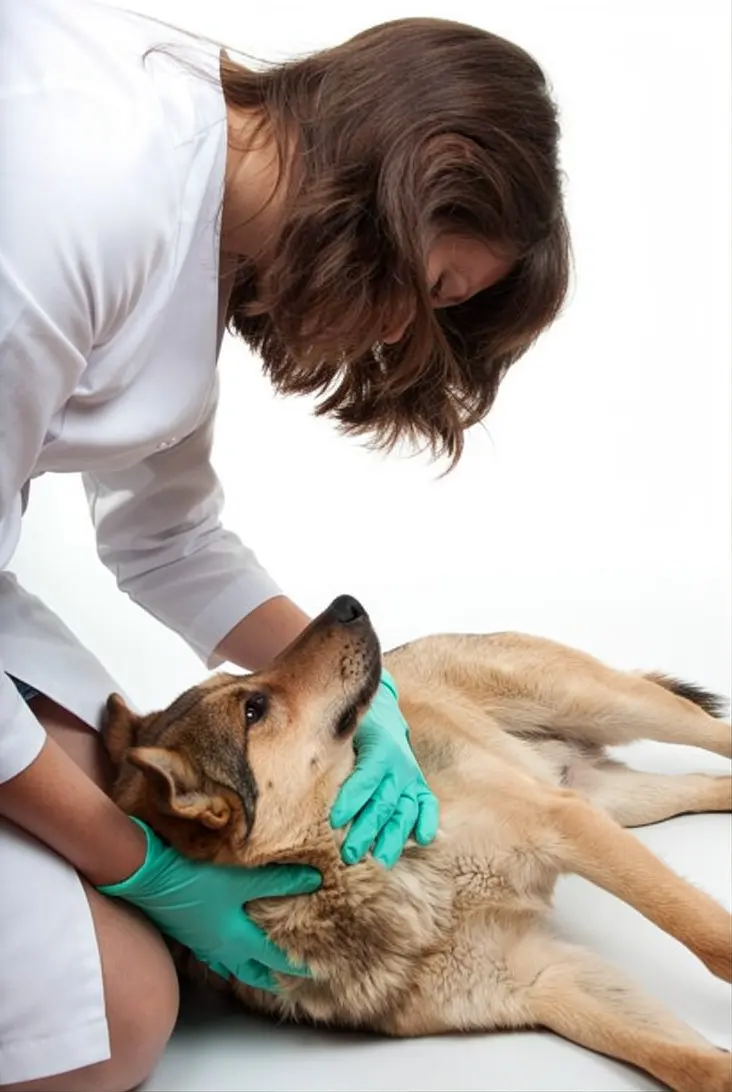
Veterinary AI provides structured, evidence-based support to help you evaluate your dog’s condition objectively, enabling more informed conversations with your veterinarian.
Toxic ingestion is a medical emergency that can rapidly progress from subtle gastrointestinal signs to life-threatening systemic involvement. Clinical manifestations depend on the toxin type, dose, and time elapsed since exposure; ranging from mild vomiting to neurological compromise or cardiovascular collapse.
While discovering that your dog has ingested something potentially toxic is deeply distressing, remaining calm and taking structured action is critical. Objective triage and rapid assessment help determine urgency; early intervention significantly improves outcomes in toxicological emergencies.
Understanding the most frequent toxic exposures and their clinical presentations.
Chocolate & Caffeine
Methylxanthine toxicity causing vomiting, diarrhea, hyperactivity, seizures, and cardiac arrhythmias
Xylitol (Sugar-Free Products)
Rapid insulin release leading to hypoglycemia, weakness, collapse, and acute liver failure
Grapes & Raisins
Nephrotoxicity causing vomiting, diarrhea, lethargy, and acute kidney injury within 24-72 hours
Household Cleaners & Chemicals
Gastrointestinal irritation, respiratory distress, and organ damage depending on the compound
Human Medications
Gastric ulceration, kidney injury, or neurological signs based on drug class (NSAIDs, antidepressants)
Toxic Plants
Gastrointestinal, neurological, or cardiac toxicity; severity varies by species (lilies, sago palm, oleander)
✦ If your dog is showing poisoning-related symptoms and you're uncertain about the severity, take informed action. Veterinary AI delivers real-time clinical triage tailored to your pet's specific presentation; helping you distinguish between mild gastrointestinal upset and signs requiring immediate emergency evaluation with clarity and confidence.
Practical, non-invasive measures to support your dog while monitoring poisoning-related symptoms
Immediate Exposure Assessment
Identify the substance, quantity, and time of ingestion; preserve packaging for identification
Contact Poison Control
Call a pet poison helpline or your veterinarian immediately for professional guidance
Do NOT Induce Vomiting
Never induce vomiting without professional instruction; some toxins cause more harm when regurgitated
Hydration Status Monitoring
Offer small amounts of water; monitor for vomiting or inability to keep fluids down
Symptom Progression Tracking
Document all signs (vomiting, diarrhea, behavior changes, seizures) with accurate timing
Safe Transportation Preparation
Secure your dog safely for transport; bring substance sample and clinical notes to the vet
💡 Never delay emergency care based on home monitoring. Toxic ingestion can progress rapidly. If your dog shows seizures, tremors, collapse, difficulty breathing, or any signs of systemic illness, seek immediate veterinary attention regardless of your monitoring observations.
TESTIMONIALS
Timely, clinically-grounded support for every stage of your dog's toxic exposure assessment journey
When you discover your dog has ingested something potentially toxic and you're uncertain about the urgency, Veterinary AI provides evidence-based guidance to help you distinguish between mild gastrointestinal upset and situations requiring immediate emergency attention.
If vomiting, diarrhea, or neurological signs (tremors, seizures) persist or worsen, or your dog exhibits collapse, breathing difficulties, or any systemic signs, Veterinary AI helps you assess urgency and compile a detailed timeline for your veterinarian.
When you need clinically-grounded guidance to manage your dog while preparing the exact history (substance ingested, quantity, time of exposure, symptom onset, and accompanying signs) your veterinarian needs for an informed toxicological evaluation and treatment plan.
💡 Always trust your instincts. If you're concerned about your dog's potential toxic ingestion or overall health, Veterinary AI provides immediate, evidence-based assessment; but never delays seeking emergency care when your dog shows seizures, tremors, collapse, difficulty breathing, irregular heartbeat, hyperthermia, or any loss of consciousness.
Red flags that require urgent veterinary attention; and how Veterinary AI supports each critical decision when your dog shows poisoning symptoms.
This list does not encompass all possible emergency scenarios. If you have any concern that your dog requires immediate care, contact your nearest veterinary emergency facility without delay.
Flexible, cancel anytime
Best value for your pet
Just €7.58/month
Thanks for your interest in Veterinary AI. We'll notify you as soon as your AI consultation is ready. Check your email for confirmation.
More and more pet owners trust Veterinary AI for their pet's health. Get instant AI consultations, track medical records, set vaccine reminders, and access expert guidance — all from your phone. No waiting rooms, no appointments. Start now.

Everything you need to know about poisoning-related symptoms in dogs and how Veterinary AI can help. Can't find what you're looking for?
Start Symptom AssessmentVomiting, diarrhea, restlessness, excessive drooling, or sudden behavior changes often appear within hours of toxic ingestion.
Do not induce vomiting unless instructed by a veterinarian or poison control; some toxins cause more damage when regurgitated.
Onset varies by toxin; symptoms may appear within 30 minutes (xylitol) or up to 72 hours (grapes, certain plants).
Chocolate ingestion is among the most common; other frequent toxins include xylitol, grapes, and human medications.
Survival depends on the toxin, dose, and timely intervention; many poisonings are fatal without immediate veterinary care.