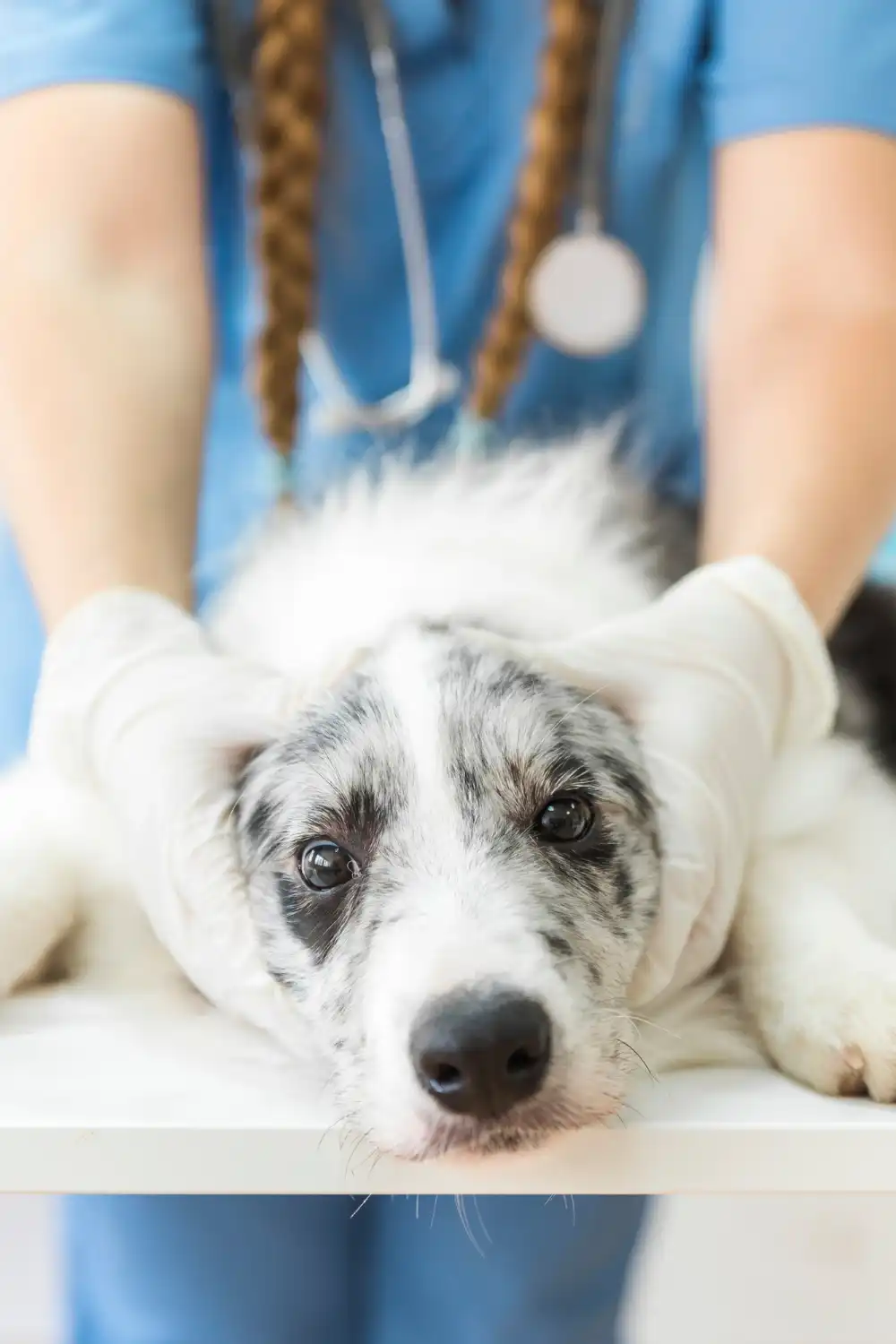
Discover the underlying physiological reasons for yellow bile emesis. Evaluate your dog’s urgency level to ensure safe, timely clinical intervention.
When a dog vomits yellow fluid, it typically indicates the presence of bile, a digestive enzyme produced by the liver and stored in the gallbladder. This fluid enters the small intestine to aid digestion but can reflux into an empty stomach, causing irritation and subsequent vomiting.
While an isolated episode can be benign, persistent yellow vomiting warrants close attention. Discerning whether this is an isolated incident or a symptom of an underlying systemic condition is crucial for determining the appropriate urgency level and preventing dehydration or further gastrointestinal distress.
Review potential clinical origins for canine yellow emesis, ordered from mild gastrointestinal responses to complex medical conditions.
Bile accumulation irritates the empty stomach lining, often occurring overnight or between meals
Ingestion of fatty, spoiled, or unfamiliar foods triggers gastric distress and bile reflux
Intestinal worms can cause chronic inflammation and intermittent episodes of bile vomiting
Pancreatitis presents with bile vomiting, abdominal pain, and progressive lethargy in affected dogs
Compromised hepatic function may alter bile production and flow, leading to chronic vomiting
Senior dogs often experience delayed gastric emptying and increased susceptibility to bile reflux
If your dog shows any of these signs, take informed action. Veterinary AI delivers real-time clinical triage tailored to your pet’s symptoms—helping you respond with clarity and confidence.
Red flags that require urgent veterinary attention and how Veterinary AI supports each critical decision.
TESTIMONIALS
When your dog vomits yellow bile and you're unsure of the severity
If vomiting persists, or your dog shows lethargy or appetite loss
When you need clinically-grounded guidance before your vet visit
Red flags that require urgent veterinary attention, and how Veterinary AI supports each critical decision.
Flexible, cancel anytime
Best value for your pet
Just €7.58/month
Veterinary AI provides algorithmic triage support and evidence-based educational insights to assist pet owners in evaluating clinical symptoms. This platform does not generate a definitive diagnosis, formulate treatment plans, or prescribe medications. The information provided must never replace professional, in-person veterinary medical evaluation, examination, or emergency treatment.
Thanks for your interest in Veterinary AI. We'll notify you as soon as your AI consultation is ready. Check your email for confirmation.
More and more pet owners trust Veterinary AI for their pet's health. Get instant AI consultations, track medical records, set vaccine reminders, and access expert guidance — all from your phone. No waiting rooms, no appointments. Start now.
Everything you need to know about yellow vomiting in dogs and how Veterinary AI can help. Can't find what you're looking for?
Contact UsYellow vomit typically contains bile, a digestive fluid from the liver. It often indicates an empty stomach or gastric irritation. Occasional episodes may be normal, but persistent vomiting requires veterinary evaluation.
Withhold food for 6-8 hours to allow the stomach to settle. Offer small sips of water. After fasting, introduce a bland diet like boiled chicken with rice. If vomiting continues, contact your vet.
Seek veterinary care if vomiting persists beyond 24 hours, contains blood, or is accompanied by lethargy, diarrhea, fever, or refusal to drink water. These signs may indicate a serious underlying condition.
Yes. Psychological stress can trigger gastric hyperacidity and bile reflux in some dogs. However, rule out medical causes first before attributing vomiting solely to stress or anxiety.
Veterinary AI provides real-time triage, risk assessment, and evidence-based guidance for your dog's symptoms. It helps you determine urgency, offers home care recommendations, and prepares you for your vet visit.