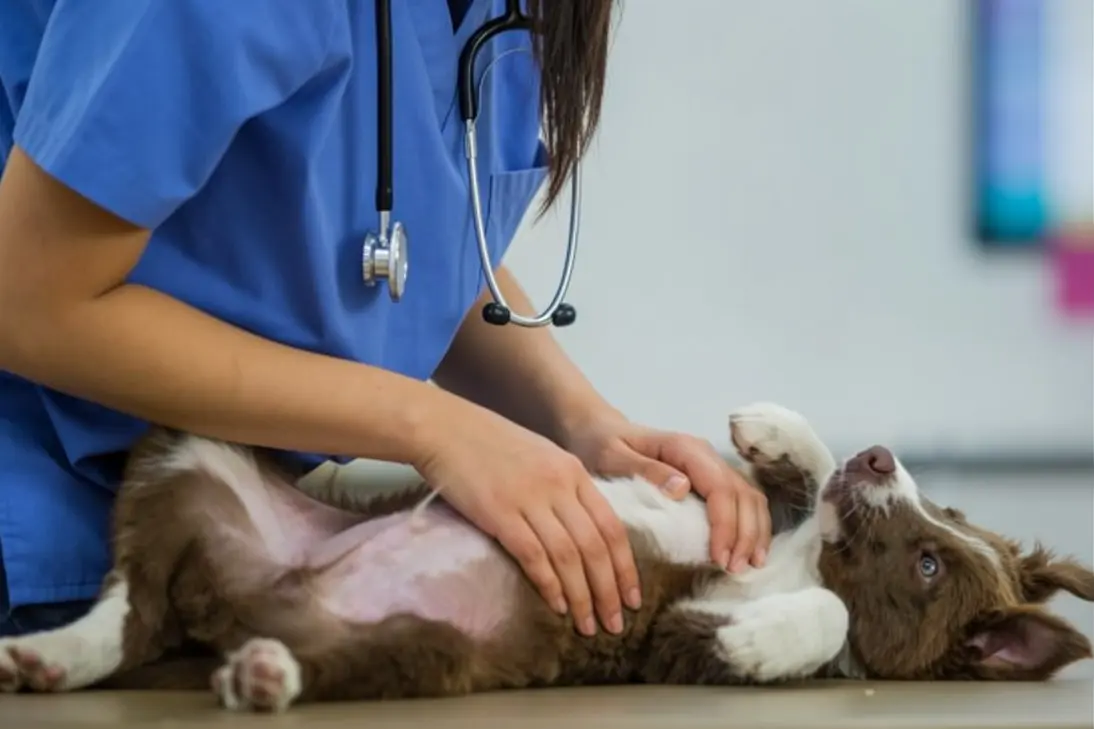
AI-powered triage helps you assess your dog’s constipation symptoms objectively and understand urgency, supporting (not replacing) your veterinarian’s in-person evaluation.
Constipation occurs when stool moves too slowly through the colon, becoming hard and difficult to pass. Occasional straining can reflect diet or hydration, while persistent constipation may point to an underlying obstruction, orthopedic pain, or motility disorder.
Most cases respond well to dietary and hydration adjustments, so there is rarely a need for panic. Still, objective monitoring matters, since prolonged straining can indicate a blockage or a condition requiring prompt veterinary intervention.
Six factors that can contribute to constipation, from mild triggers to medical conditions.
Insufficient fiber intake slows colon motility and leads to harder, drier stool.
Inadequate water intake causes the colon to absorb more moisture, hardening stool.
Reduced physical activity slows intestinal motility and normal bowel function.
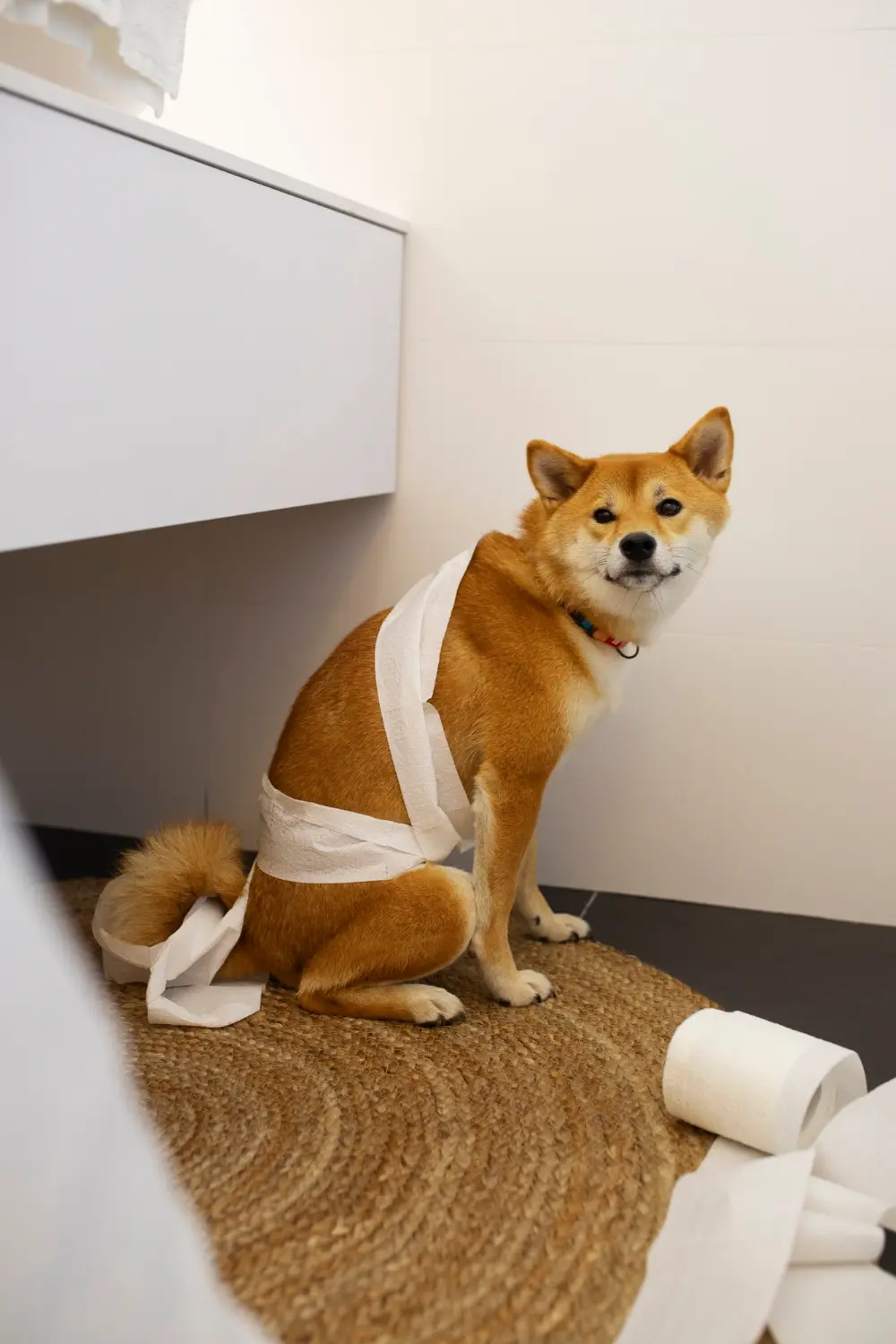
Swallowed hair, grass, or small objects can obstruct normal stool passage.
Conditions narrowing the pelvic canal make defecation physically difficult.
Senior dogs often experience slower colon function and reduced muscle tone.
Practical, non-invasive steps to support your dog while you assess the situation.
Withhold Food and Water
Temporarily if distension or unproductive retching appears, and monitor closely
Keep Dog Calm and Still
Avoid walks, play, or car rides that could worsen gastric movement
Check Abdomen Gently
At regular intervals for changes in size, firmness, or tenderness
Smaller, More Frequent Meals
Going forward instead of one large daily portion
Use a Slow-Feeder Bowl
To reduce the speed and amount of air your dog swallows while eating
Schedule Rest Periods
Before and after meals, avoiding vigorous exercise within that window
💡 Pancreatitis is a medical emergency. Do not attempt to treat this condition at home without veterinary guidance. Never administer pain medications, anti-inflammatory drugs, or any human medications without veterinary supervision. These products can worsen pancreatitis and be harmful to your dog. Always consult your vet immediately if you suspect pancreatitis.
TESTIMONIALS
Clinical support for the moments that matter most.
These warning signs require urgent action, supported by Veterinary AI's core tools.
No bowel movement for three or more days is scored as a high-risk indicator requiring prompt evaluation.
Visible straining accompanied by vomiting is flagged as a potential obstruction risk.
Abdominal swelling or pain during straining is assessed for urgency at any hour.
Lethargy combined with a loss of appetite triggers an elevated urgency assessment.
Blood in the stool or a straining history is compiled into a vet-ready report.
A documented timeline of bowel movement attempts is exported to save time at your appointment.
Any of these signs? Do not wait.
Veterinary AI prepares a clinical summary for your veterinarian while you travel, but immediate veterinary attention is essential.
Flexible, cancel anytime
Best value for your pet
Just €7.58/month
Thanks for your interest in Veterinary AI. We'll notify you as soon as your AI consultation is ready. Check your email for confirmation.
More and more pet owners trust Veterinary AI for their pet's health. Get instant AI consultations, track medical records, set vaccine reminders, and access expert guidance — all from your phone. No waiting rooms, no appointments. Start now.
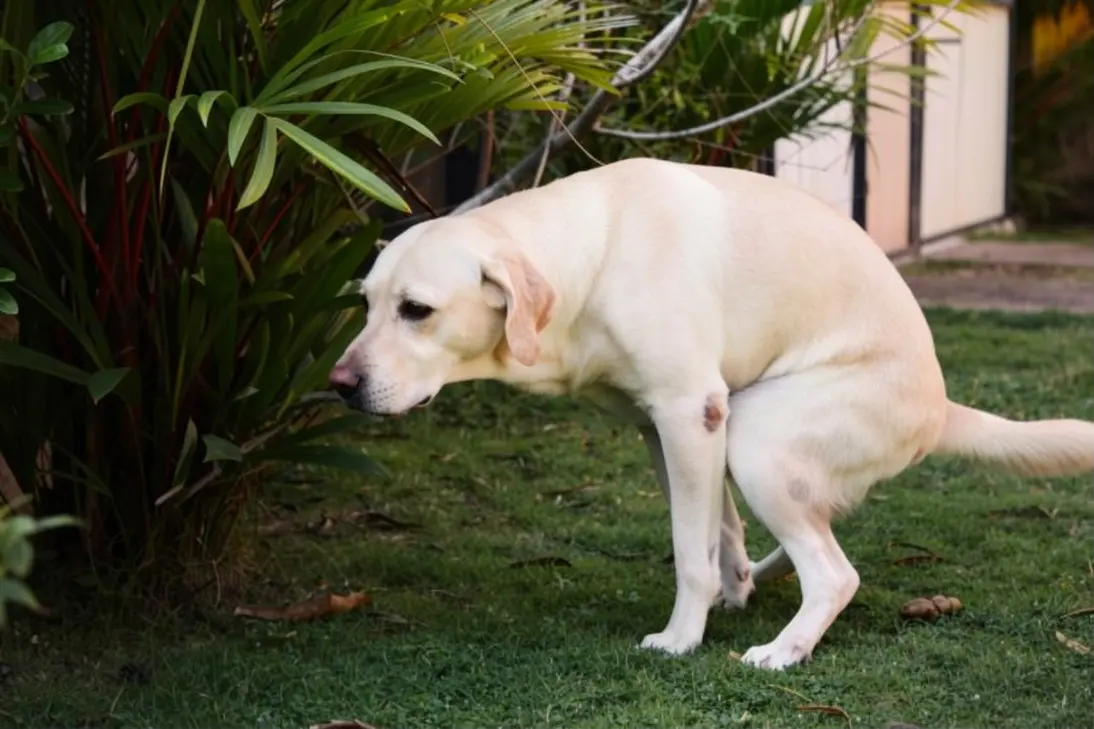
Everything you need to know about constipation symptoms in dogs and how Veterinary AI can help. Can't find what you're looking for?
Start Symptom AssessmentBeyond 48 to 72 hours without a bowel movement, especially with straining or vomiting, warrants prompt veterinary evaluation.
Increasing water intake and vet-approved fiber, like plain pumpkin, may help mild cases; avoid human laxatives without veterinary guidance.
Yes, persistent constipation can indicate an obstruction, orthopedic pain, or motility disorder that requires veterinary diagnosis.
This often indicates hard, compacted stool or a partial obstruction, both of which benefit from prompt veterinary assessment.
Yes, low-fiber diets and inadequate hydration are common contributors, while balanced fiber intake supports regular bowel movements.