Dog Eating Poop? Clinical Triage Starts Here

Get objective, data-driven guidance for your dog’s coprophagia—supporting your clinical decisions without replacing your veterinarian.

VETERINARY AI FOR PET OWNERS

Understanding Your Dog's Coprophagia

The consumption of feces—known clinically as coprophagia—is a relatively common behavioral issue in dogs. While often benign, it can sometimes indicate underlying medical conditions such as malabsorption, pancreatic insufficiency, or nutritional deficiencies.

Your concern is entirely valid. While coprophagia is rarely life-threatening, understanding the underlying cause is important for both your dog’s health and your peace of mind. Veterinary AI helps you assess whether this behavior is behavioral or requires medical investigation—so you can make informed decisions about when to seek veterinary care.

Veterinary AI

Assess your dog's coprophagia with clinical precision

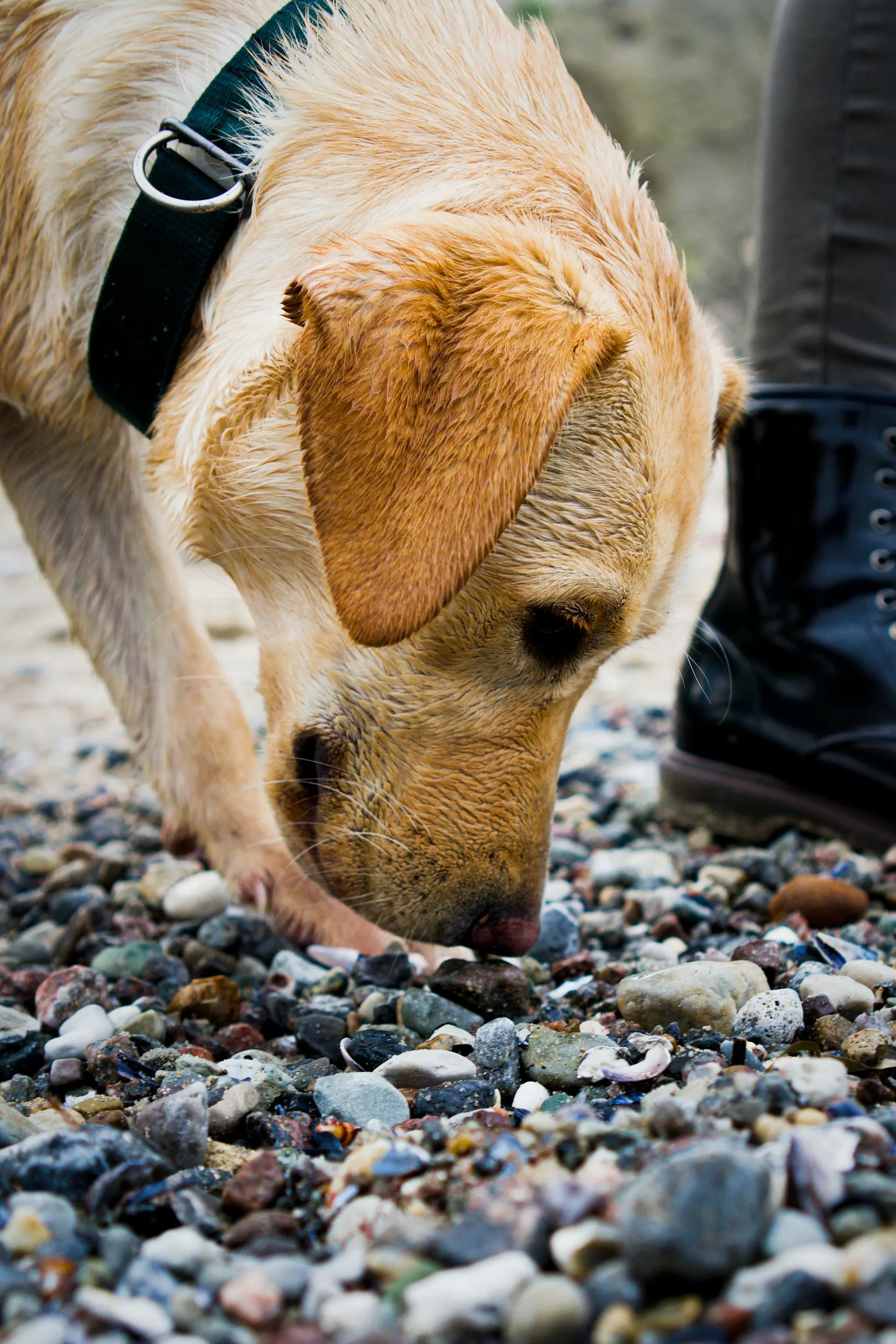
Dog showing coprophagia behavior at home

Common Causes of Coprophagia

Clinical etiologies range from behavioral factors to underlying medical conditions requiring veterinary investigation.

Behavioral (Habit/Boredom)

Learned behavior from environmental factors—most common in young dogs

Nutritional Deficiency

Lack of essential enzymes or nutrients driving consumption—rare in quality diets

Malabsorption (EPI)

Poor nutrient absorption prompting increased appetite and coprophagia

Dietary Indiscretion or Hunger

Increased appetite from certain medications or underlying conditions

Parasites or GI Disease

Intestinal parasites causing malabsorption and altered eating behavior

Age-Related Cognitive Dysfunction

Confusion or altered behavior in senior dogs leading to coprophagia

If your dog is eating poop and you're uncertain about the severity, take informed action. Veterinary AI delivers real-time clinical triage tailored to your pet's specific presentation—helping you distinguish between behavioral causes and signs requiring veterinary attention with clarity and confidence.

+0
Symptoms analyzed
by pet owners worldwide
+0
Pet owners trusting
AI for their pet's health
0/7
Available anytime
even at 2AM emergencies

SAFE HOME CARE & MONITORING GUIDELINES

Clinically safe, non-invasive steps you can take immediately to address your dog’s coprophagia, manage the behavior, and gather the exact information your veterinarian needs.

Immediate Cleanup

Remove feces promptly from your yard and during walks to prevent access

Supervise Outdoor Time

Keep your dog on a leash during bathroom breaks to prevent consumption

Maintain Balanced Diet

Ensure high-quality, nutritionally complete diet appropriate for your dog's life stage

Monitor Appetite and Weight

Track food intake and body weight—changes may indicate underlying medical conditions

Provide Environmental Enrichment

Offer interactive toys and mental stimulation to reduce boredom-related behaviors

Document with Photos

Record the behavior and any changes in stool quality for veterinary reference

TESTIMONIALS

OPYNIO Reviews Dog Eating Poop

WHEN CAN VETERINARY AI HELP YOU AND YOUR DOG?

 Veterinary AI provides clinical support precisely when you need orientation.

When your dog is eating poop and you're unsure of the severity — Veterinary AI delivers real-time clinical triage tailored to your pet's specific presentation—helping you distinguish between behavioral causes and signs requiring veterinary attention with clarity and confidence
If coprophagia persists despite behavioral management, or your dog shows weight loss, increased appetite, or gastrointestinal signs — Veterinary AI helps you distinguish between behavioral causes and signs requiring veterinary attention with clarity and confidence
When you need clinically-grounded guidance before your vet visit — Veterinary AI delivers real-time clinical triage tailored to your pet's specific presentation—helping you distinguish between behavioral causes and signs requiring veterinary attention with clarity and confidence

When to Seek Immediate Emergency Care

Red flags that require urgent veterinary attention — and how Veterinary AI supports each critical decision.

Vomiting, diarrhea, or signs of gastrointestinal obstruction — Instant Symptom Analysis & Risk Scoring flags potential ingestion of foreign material requiring immediate evaluation
Sudden onset of severe lethargy or weakness — Risk Scoring identifies systemic illness risk and escalates urgency
Abdominal pain or distension — 24/7 Smart Triage & Urgency Level Assessment correlates with potential obstruction or gastrointestinal pathology
Signs of toxicity: tremors, seizures, or neurological signs — Urgency Level Assessment alerts to potential ingestion of toxic substances
Blood in stool or vomiting blood — Exportable Clinical Summary Report documents timeline and clinical signs for emergency handover
Weight loss despite normal or increased appetite — Exportable Clinical Summary Report compiles progression timeline and systemic signs for immediate veterinary review
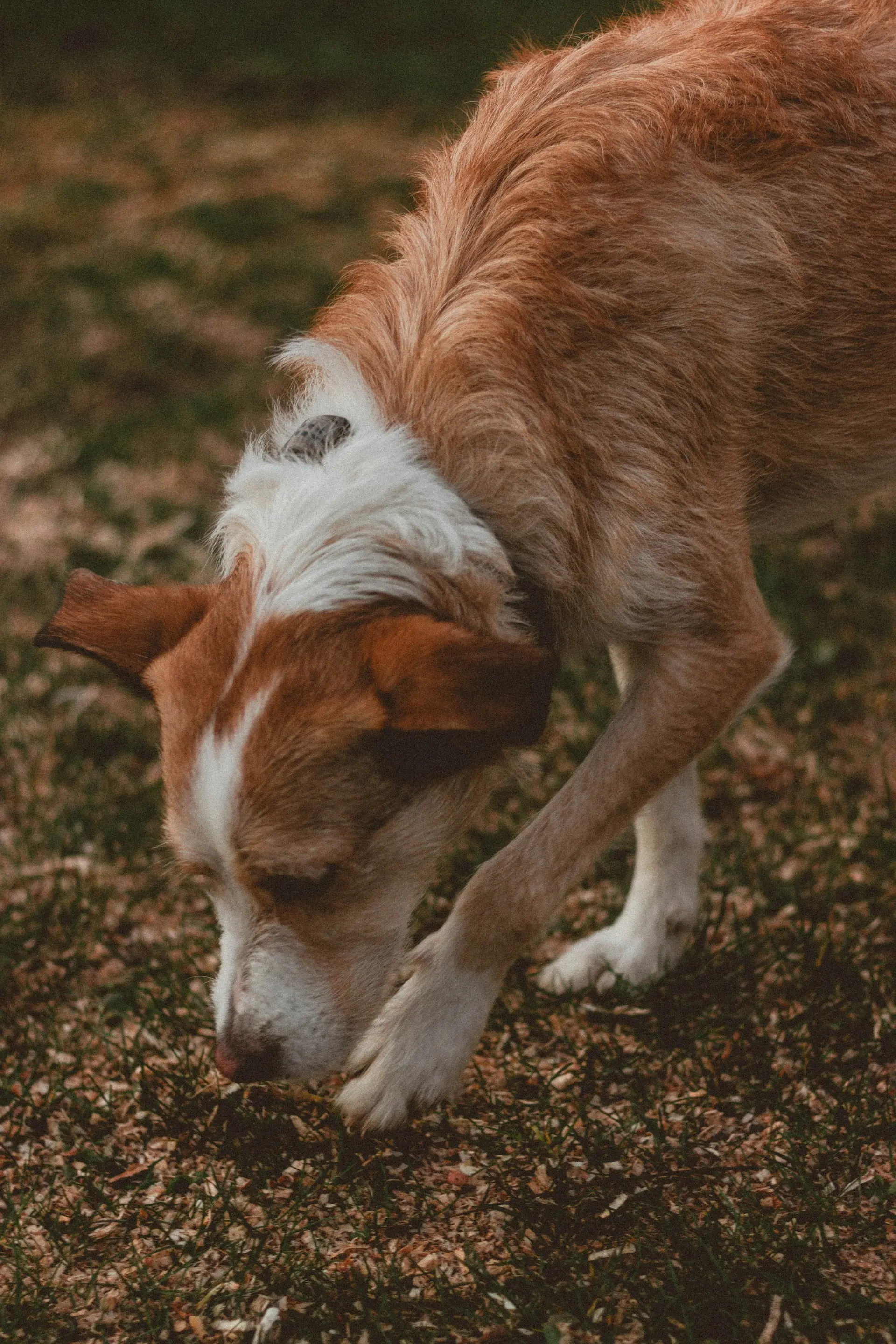
Dog showing signs of gastrointestinal distress needing emergency veterinary care

Monthly

Flexible, cancel anytime

€9.99 /month
AI symptom assessment
Emergency guidance 24/7
Preventive care reminders
Wellness monitoring
Breed-specific health tips
Unlimited conversations
Start monthly plan
SAVE 24%

Annual

Best value for your pet

€90.99 /year

Just €7.58/month

AI symptom assessment
Emergency guidance 24/7
Preventive care reminders
Wellness monitoring
Breed-specific health tips
Unlimited conversations
Priority support
Start annual plan

By submitting you agree to our Privacy Policy

Veterinary AI

AI-Powered Pet Care 24/7

More and more pet owners trust Veterinary AI for their pet's health. Get instant AI consultations, track medical records, set vaccine reminders, and access expert guidance — all from your phone. No waiting rooms, no appointments. Start now.
FAQ

Frequently Asked
Questions

Everything you need to know about coprophagia in dogs and how Veterinary AI can help. Can't find what you're looking for?

Start Symptom Assessment

Why is my dog eating poop?

Common causes include behavioral issues (habit, boredom), nutritional deficiencies, malabsorption, or certain medical conditions.

Is eating poop harmful to my dog?

Usually not, but it can transmit parasites or bacteria. Monitor for gastrointestinal signs and maintain regular deworming.

Can a dog eating poop be a sign of illness?

Yes. In some cases, coprophagia indicates underlying conditions like pancreatic insufficiency, malabsorption, or parasitic infection.

How can I stop my dog from eating poop?

Implement immediate cleanup, supervision during bathroom breaks, balanced nutrition, and behavioral training with positive reinforcement.

Should I take my dog to the vet for eating poop?

If the behavior is persistent, accompanied by weight loss, appetite changes, or GI signs, schedule a veterinary evaluation.