Get objective, evidence-based support for your dog’s appetite loss. Veterinary AI helps you assess urgency and prepare for your veterinary consultation—without replacing your vet.
A dog not eating is a frequent reason owners call a veterinarian. Appetite reflects overall health in dogs, so a sudden change can signal anything from stress or a diet change to dental pain, nausea, or systemic illness.
Many missed meals are short-lived, so try not to panic. Still, objective tracking matters now: how long your dog has refused food, whether water intake and energy have changed, and any vomiting or diarrhea guide the next step.
You describe what is happening to your dog, and Veterinary AI explains the most common causes, what to do at home, and when to see a vet. Finally, it prepares a summary for your consultation.
These causes range from mild and situational to serious medical conditions that need prompt care.
Travel, new pets, moving, or schedule shifts can temporarily reduce appetite in otherwise healthy dogs.
A new food, extra treats, or table scraps can cause picky eating or mild stomach upset.
Broken teeth, gum disease, or oral sores can make chewing painful, so your dog may approach food and walk away.
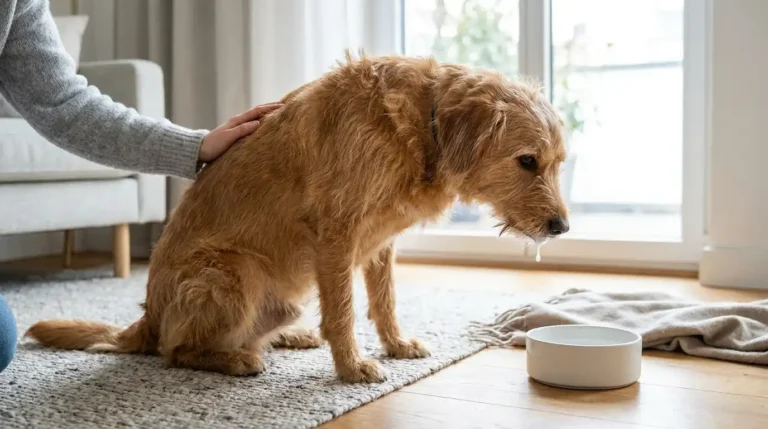
Dietary indiscretion, infections, or parasites often cause nausea, drooling, lip licking, vomiting, or loose stools alongside a poor appetite.
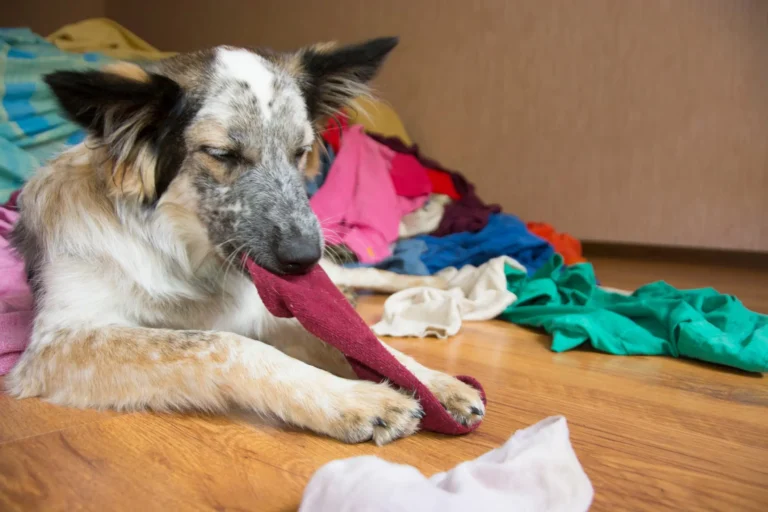
Ingested toxins or swallowed objects can cause appetite loss with vomiting or lethargy and need urgent veterinary attention.
Kidney, liver, or other systemic illness can gradually suppress appetite, often with weight loss, thirst changes, or lethargy.
Thresholds for action differ with age and health, so use the card that best matches your dog.
Young puppies and toy breeds can develop low blood sugar quickly, so call your vet if they refuse meals for about 12 hours.
A healthy adult that is bright, drinking, and otherwise normal can be monitored briefly; call your vet if food refusal passes 24 hours.
Seniors and dogs with diabetes, kidney disease, or other conditions need a same-day call to the vet after a skipped meal.
Gentle, non-invasive steps to support your dog while you monitor closely. Home care never replaces a veterinary exam.
Offer clean water at all times and note whether your dog is drinking more, less, or normally.
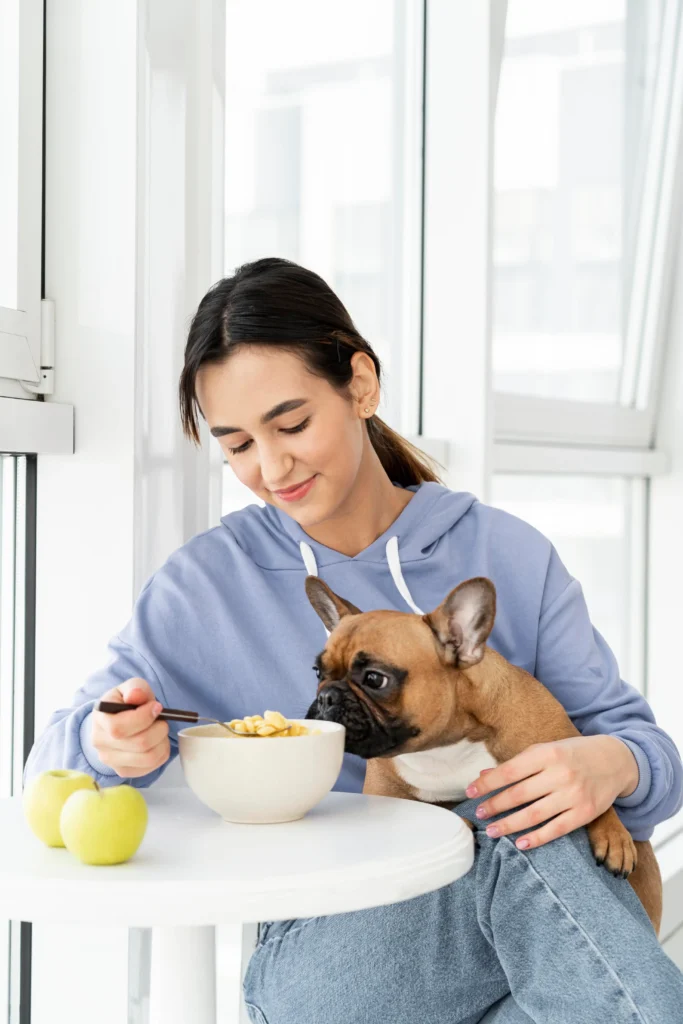
Present the regular diet in a quiet spot, and remove uneaten food after 20 to 30 minutes.
Avoid fatty foods, scraps, and sudden diet changes, which can worsen stomach upset and make appetite harder to judge.
Provide a quiet, cool, comfortable resting area away from noise, other pets, and household stress.
Note meals, water, vomiting, stool changes, and energy with times to share with your vet.
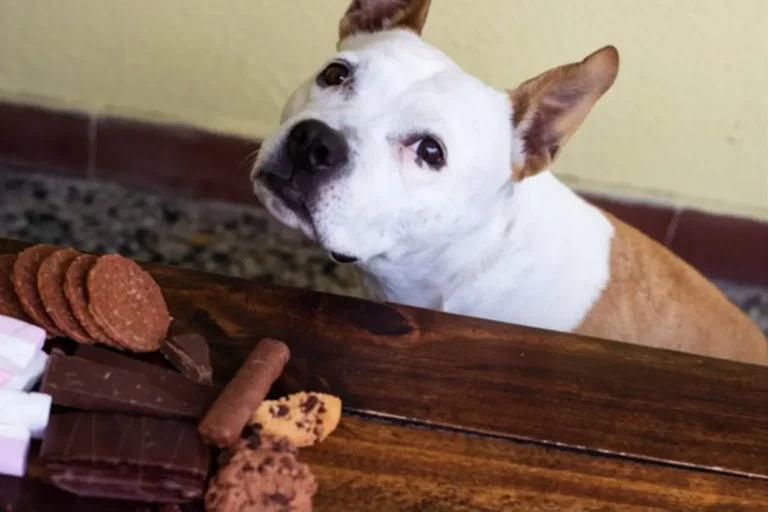
Keep human medications, chocolate, grapes, raisins, xylitol products, and trash out of reach while you monitor your dog.
🐶 📝 Do not give medications, supplements, or human remedies unless your veterinarian instructs you to. Home care is for short-term monitoring only. If your dog worsens or refuses food beyond 24 hours, call your vet.
TESTIMONIALS
Veterinary AI supports your decisions at every stage, from first limp to vet visit.
Answer a few clinical questions and receive an urgency level, so you know whether to monitor, book a visit, or go now.
Persistent symptoms need an in-person exam. Veterinary AI helps you organize timelines and signs so your vet visit is more focused.
Get a structured summary of your dog’s symptoms, timeline, and questions to bring to your appointment, so nothing important is missed.
Red flags that require urgent veterinary attention, and how Veterinary AI supports each critical decision when your dog stops eating.
Instant Symptom Analysis & Risk Scoring flags this combination as high-risk, prompting immediate emergency recommendation.
24/7 Smart Triage & Urgency Level Assessment identifies bloat risk, requiring immediate veterinary evaluation.
Instant Symptom Analysis & Risk Scoring detects oxygenation concerns and escalates urgency.
24/7 Smart Triage & Urgency Level Assessment triggers critical alert status with emergency contact guidance.
Generating an Exportable Clinical Summary Report for the Vet documents exposure details for rapid emergency response.
Generating an Exportable Clinical Summary Report ensures your vet receives comprehensive clinical context at first contact.
Flexible, cancel anytime
Best value for your pet
Just €7.58/month
Thanks for your interest in Veterinary AI. We'll notify you as soon as your AI consultation is ready. Check your email for confirmation.
More and more pet owners trust Veterinary AI for their pet's health. Get instant AI consultations, track medical records, set vaccine reminders, and access expert guidance — all from your phone. No waiting rooms, no appointments. Start now.
Common concerns about canine appetite loss—answered with clinical clarity. Still have questions about your dog's symptoms?
Contact UsA healthy dog can survive a few days without food, but medical evaluation is strongly recommended if inappetence persists past 24 to 48 hours, or sooner if accompanied by other clinical symptoms.
Drinking water while refusing food often indicates mild nausea, early-stage gastrointestinal inflammation, or systemic illness. It suggests the dog is maintaining hydration but finds digesting solid foods uncomfortable or unappealing.
Yes, environmental changes, a new pet, moving houses, or separation anxiety can disrupt a dog's routine and suppress their appetite. However, medical causes should always be ruled out first.
It becomes an emergency if accompanied by severe lethargy, persistent vomiting, diarrhea, pale gums, abdominal bloating, or known toxin ingestion. These combinations require immediate veterinary intervention.
You can offer warm, bland foods like plain boiled chicken and rice, or add low-sodium warm bone broth to their regular food. Avoid using rich ingredients or human seasonings, which can worsen stomach upset.
Dogs · Digestive & poisoning
Dog Pancreatitis Symptoms
Read the guide →
Dog Poisoning Symptoms
Read the guide →
Dog Swallowed Something
Read the guide →
Dog Vomiting White Foam
Read the guide →
Dog Vomiting Yellow
Read the guide →
Dog Ate Chocolate
Read the guide →