Dog Bloat Symptoms: Know the Warning Signs

AI-powered triage helps you assess your dog’s bloat symptoms objectively and understand urgency, supporting (not replacing) your veterinarian’s in-person evaluation.

VETERINARY AI FOR PET OWNERS

Understanding Bloat and Why Every Minute Matters

Bloat, clinically known as Gastric Dilatation Volvulus (GDV), occurs when the stomach fills with gas and, in severe cases, twists on itself. This restricts blood flow to vital organs and can progress rapidly in large, deep-chested breeds.

Not every case of abdominal distension is a full GDV event; some are milder digestive episodes. Still, distinguishing between the two requires objective observation, since early signs can look similar and timing directly affects outcomes.

Veterinary AI

Assess your dog's symptoms with clinical precision

Common Causes of Bloat

Six factors that can contribute to bloat, from mild triggers to medical emergencies.

Eating Too Quickly

Rapid eating causes air ingestion, which increases gas buildup in the stomach.

Exercise After Meals

Vigorous activity soon after eating can disrupt normal stomach positioning and emptying.

Single Large Meal Feeding

One large daily meal, instead of smaller portions, is linked to a higher bloat risk.
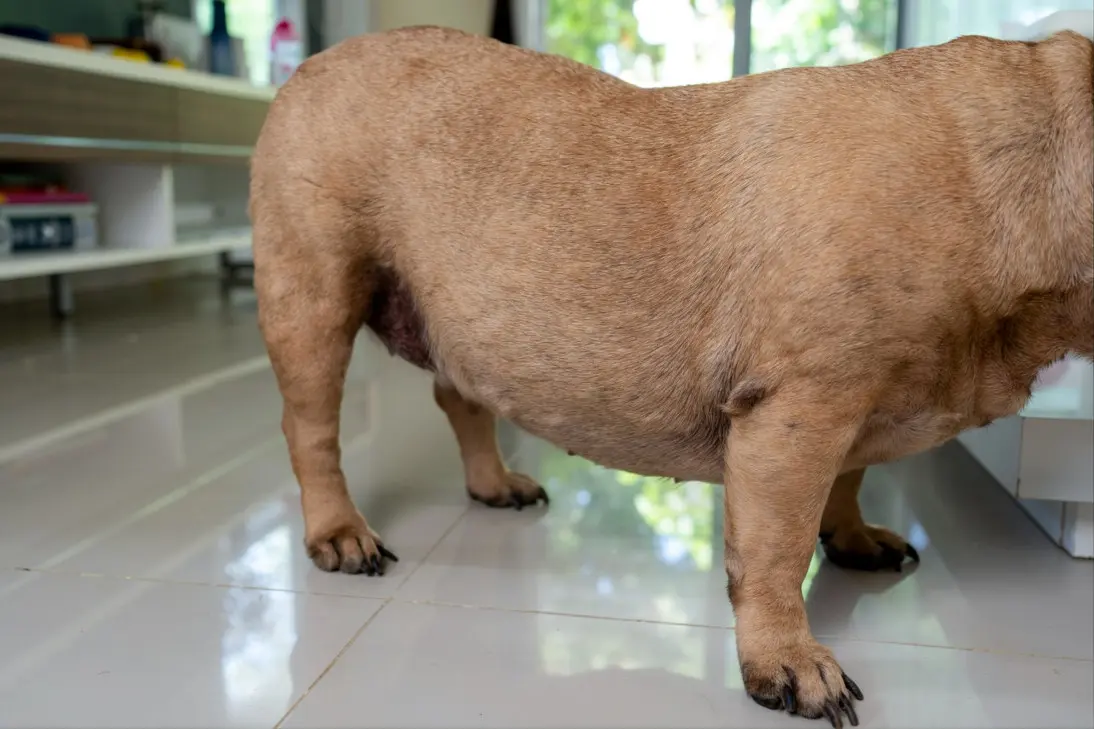
Dog at risk of bloat symptoms
Deep-Chested Breed Anatomy

Breeds like Great Danes and Standard Poodles have a chest shape that predisposes them to GDV.

Stress or Anxious Temperament

Nervous or stressed dogs may swallow more air, contributing to gastric distension.

Age and Prior GDV History

Senior dogs and those with a previous bloat episode face significantly higher recurrence risk.

+0
Symptoms analyzed
by pet owners worldwide
+0
Pet owners trusting
AI for their pet's health
0/7
Available anytime
even at 2AM emergencies

Safe Home Care & Monitoring Guidelines

Practical, non-invasive actions to support your dog's condition and track symptom progression

Withhold Food and Water

Temporarily if distension or unproductive retching appears, and monitor closely

Keep Dog Calm and Still

Avoid walks, play, or car rides that could worsen gastric movement

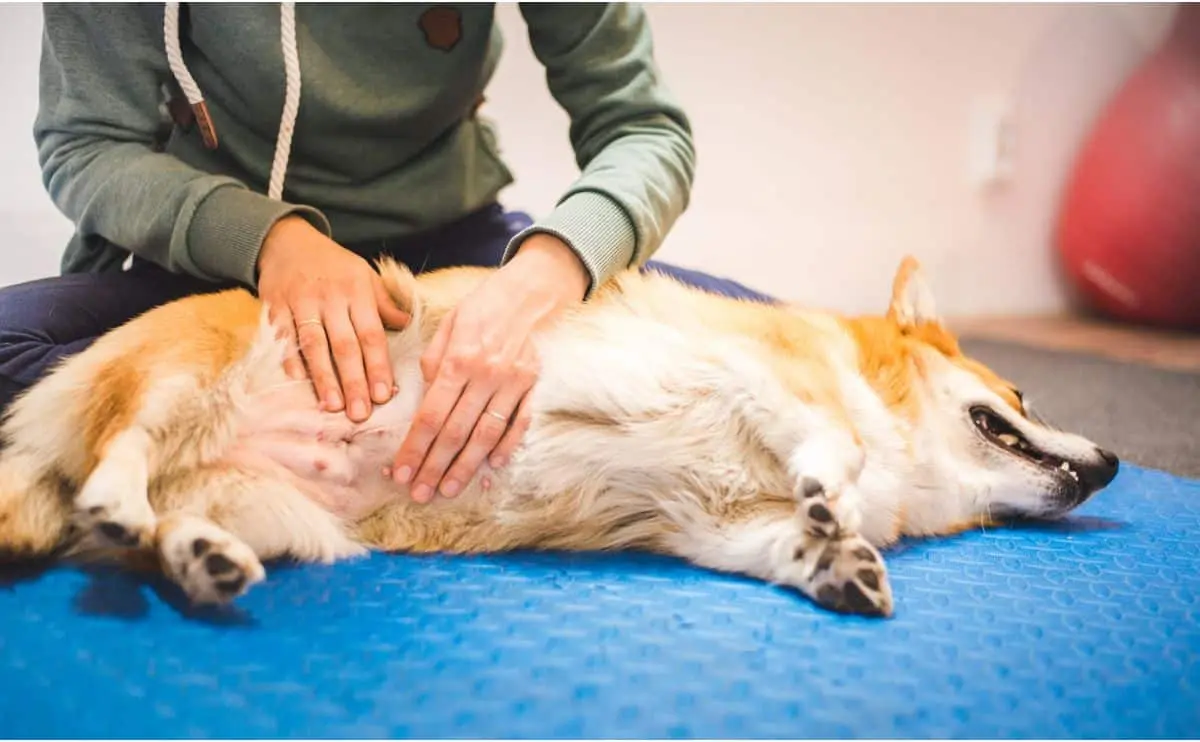
Check Abdomen Gently

At regular intervals for changes in size, firmness, or tenderness

Smaller, More Frequent Meals

Going forward instead of one large daily portion

Use a Slow-Feeder Bowl

To reduce the speed and amount of air your dog swallows while eating

Schedule Rest Periods

Before and after meals, avoiding vigorous exercise within that window

💡 Pancreatitis is a medical emergency. Do not attempt to treat this condition at home without veterinary guidance. Never administer pain medications, anti-inflammatory drugs, or any human medications without veterinary supervision. These products can worsen pancreatitis and be harmful to your dog. Always consult your vet immediately if you suspect pancreatitis.

TESTIMONIALS

OPYNIO Reviews Dog Bloat Symptoms

When Can Veterinary AI Help You and Your Dog?

Clinical support for the moments that matter most.

Pet owner using Veterinary AI to assess dog bloat symptoms
  • When your dog's abdomen looks swollen and you're unsure how serious it is.
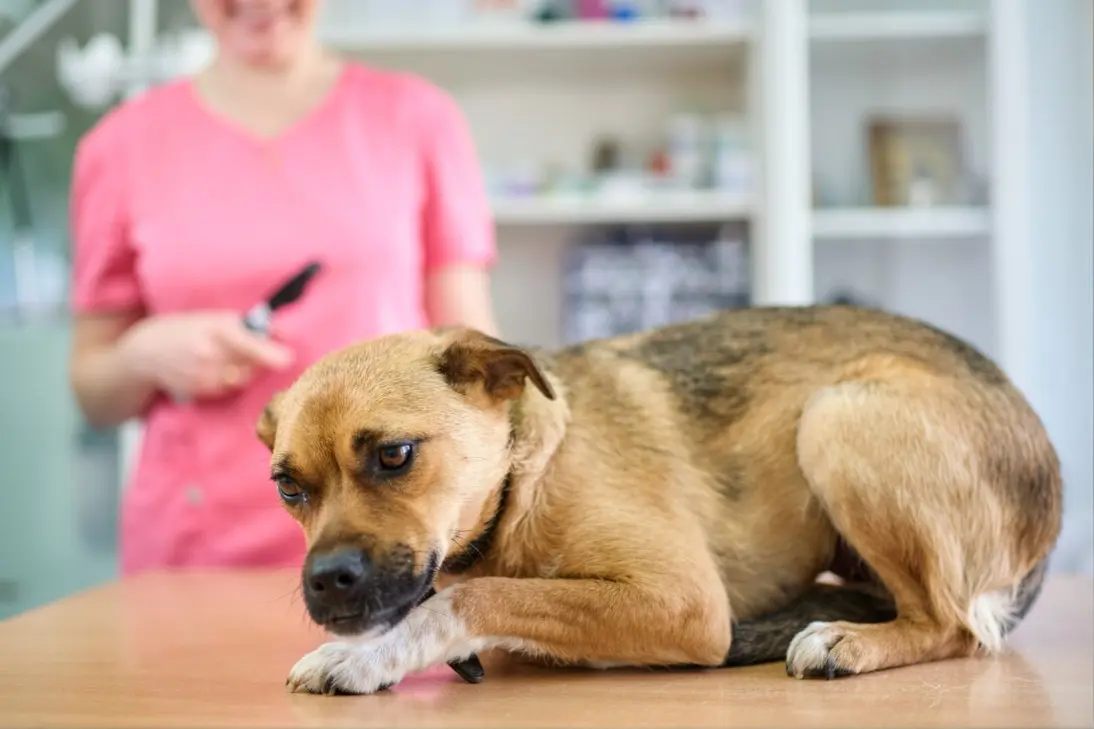
  • If restlessness or non-productive retching persists, or your dog shows drooling, pacing, or a hunched posture.
  • When you need clinically grounded guidance before your vet visit, to help you act quickly and clearly.

When to Seek Immediate Emergency Care

These warning signs require urgent action, supported by Veterinary AI's core tools.

Emergency signs of dog bloat requiring immediate veterinary care
Instant Symptom Analysis & Risk Scoring

A visibly distended, hard abdomen is scored instantly as a high-risk indicator.

Instant Symptom Analysis & Risk Scoring

Repeated unproductive retching is flagged and weighted as a critical risk factor.

24/7 Smart Triage & Urgency Assessment

Sudden restlessness combined with an inability to settle is assessed for urgency at any hour.

24/7 Smart Triage & Urgency Assessment

Pale gums or weakness alongside distension trigger an immediate urgency escalation.

Exportable Clinical Summary Report

A rapid heart rate noted alongside your symptom timeline is compiled into a vet-ready report.

Exportable Clinical Summary Report

Collapse or difficulty standing is documented and exported, saving critical minutes on arrival.

Monthly

Flexible, cancel anytime

€9.99 /month
AI symptom assessment
Emergency guidance 24/7
Preventive care reminders
Wellness monitoring
Breed-specific health tips
Unlimited conversations
Start monthly plan
SAVE 24%

Annual

Best value for your pet

€90.99 /year

Just €7.58/month

AI symptom assessment
Emergency guidance 24/7
Preventive care reminders
Wellness monitoring
Breed-specific health tips
Priority support
Start annual plan
Veterinary AI provides clinical triage support and educational information; it does not constitute a diagnosis, treatment plan, or substitute for professional, in-person veterinary care.

By submitting you agree to our Privacy Policy

Veterinary AI

AI-Powered Pet Care 24/7

More and more pet owners trust Veterinary AI for their pet's health. Get instant AI consultations, track medical records, set vaccine reminders, and access expert guidance — all from your phone. No waiting rooms, no appointments. Start now.
FAQ

Frequently Asked
Questions

Everything you need to know about bloat symptoms in dogs and how Veterinary AI can help. Can't find what you're looking for?

Start Symptom Assessment

What does bloat look like in a dog's stomach?

The abdomen appears visibly swollen, tight, or drum-like, often accompanied by restlessness and unsuccessful attempts to vomit.

How fast does bloat progress in dogs?

GDV can progress within one to two hours, since restricted blood flow makes the condition rapidly life-threatening without treatment.

Can bloat resolve on its own without a vet?

No. True GDV requires emergency veterinary intervention; it does not resolve without medical treatment and prompt stabilization.

Which dog breeds are most prone to bloat?

Large, deep-chested breeds such as Great Danes, Standard Poodles, German Shepherds, and Weimaraners face the highest documented risk.

Is drooling a sign of bloat in dogs?

Excessive drooling combined with distension or retching can indicate nausea associated with bloat and warrants prompt evaluation.