
German Shepherd Hip Problems: Clinical Triage Support

AI-powered clinical assessment helps you evaluate your German Shepherd’s hip concerns objectively, providing structured guidance while you prepare for your veterinary consultation.

VETERINARY AI FOR PET OWNERS

Understanding Your German Shepherd's Hip Concerns

German Shepherds are among the breeds most affected by hip dysplasia and degenerative joint disease; this is largely due to their genetic predisposition, rapid growth rate, and conformation. Hip issues significantly impact mobility, quality of life, and overall wellbeing.

While some stiffness is common with aging, progressive hip problems require early detection and intervention. Objective monitoring helps distinguish between normal aging changes and conditions requiring treatment. Veterinary AI provides structured clinical assessment to support your observations and facilitate productive veterinary consultations.

Veterinary AI

Assess your German Shepherd's hip concerns with clinical precision

Common Causes of German Shepherd Hip Problems

Understanding these potential causes helps you identify hip concerns early and seek appropriate veterinary care.

Age-Related Stiffness

Natural joint degeneration and muscle loss occur with aging; early stiffness requires monitoring for progression

Excess Body Weight

Increased weight stresses hip joints; even moderate weight reduction can significantly improve mobility

Hip Dysplasia

Malformation of the hip joint causing laxity and arthritis; common in German Shepherds, requires veterinary diagnosis

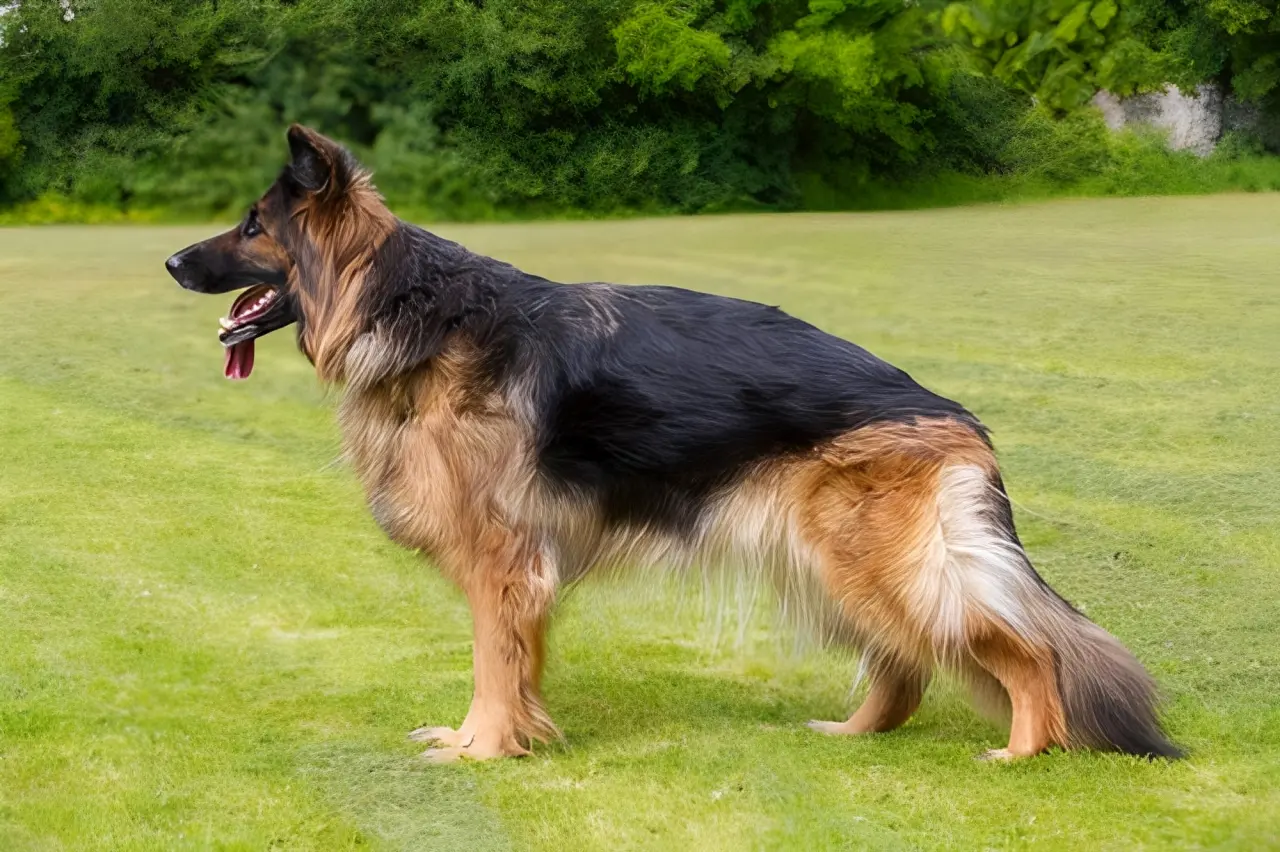
German Shepherd hip problems: clinical assessment and triage support

Osteoarthritis

Cartilage degeneration leads to joint inflammation, pain, and reduced mobility requiring pain management

Degenerative Myelopathy

Progressive spinal cord disease causing hindlimb weakness and incoordination; requires neurological evaluation

Traumatic Injury

Acute injuries from falls, jumps, or overexertion can cause joint damage requiring immediate assessment

If your German Shepherd shows hip concerns or mobility changes, early detection is critical. Veterinary AI provides real-time clinical triage tailored to breed-specific risks; helping you distinguish between normal aging and conditions requiring prompt veterinary evaluation with clarity and confidence.

+0
Symptoms analyzed
by pet owners worldwide
+0
Pet owners trusting
AI for their pet's health
0/7
Available anytime
even at 2AM emergencies

Safe Home Care & Monitoring Guidelines

Non-invasive, medically safe measures to support your German Shepherd and monitor for early hip-related changes

Gait and Mobility Observation

Observe your dog rising, walking, and navigating stairs; note any limping, stiffness, or reluctance to move

Weight Management

Maintain lean body condition; every kilogram of excess weight increases joint stress significantly

Comfortable Resting Areas

Provide orthopedic, well-cushioned beds; avoid hard surfaces and ensure easy access to resting spots

Controlled Exercise

Use low-impact activities (swimming, gentle walks on soft surfaces); avoid jumping and high-impact exercise

Joint Supplement Considerations

Discuss omega-3 fatty acids, glucosamine, and chondroitin with your veterinarian before starting supplementation

Veterinary Appointment Scheduling

Schedule regular orthopedic evaluations; early detection through monitoring significantly improves long-term outcomes

These are supportive measures only. They do not replace professional veterinary assessment or treatment. Always consult your veterinarian for definitive guidance.

TESTIMONIALS

OPYNIO Reviews German Shepherd Hip Problems

When Can Veterinary AI Help You and Your Dog?

Timely, clinically-grounded support for every stage of your German Shepherd's hip assessment

Unsure About Severity?

When your German Shepherd shows hip concerns and you cannot determine whether they are normal aging changes or conditions requiring veterinary attention.

Persistent or Escalating?

If your dog shows progressive stiffness, increased lameness, or difficulty rising that worsens despite rest; these may indicate advancing joint disease.

Pre-Visit Preparation?

When you need clinically-grounded guidance while preparing the exact history (age, gait changes, pain indicators, and all clinical observations) your veterinarian needs for informed evaluation.

💡 Always trust your instincts. If you're concerned about your German Shepherd's mobility or hip health, Veterinary AI provides immediate, evidence-based assessment; but never delays seeking emergency care when your dog shows inability to stand, severe pain, or limb paralysis.

When to Seek Immediate Emergency Care

These warning signs require urgent action, supported by Veterinary AI's core tools.

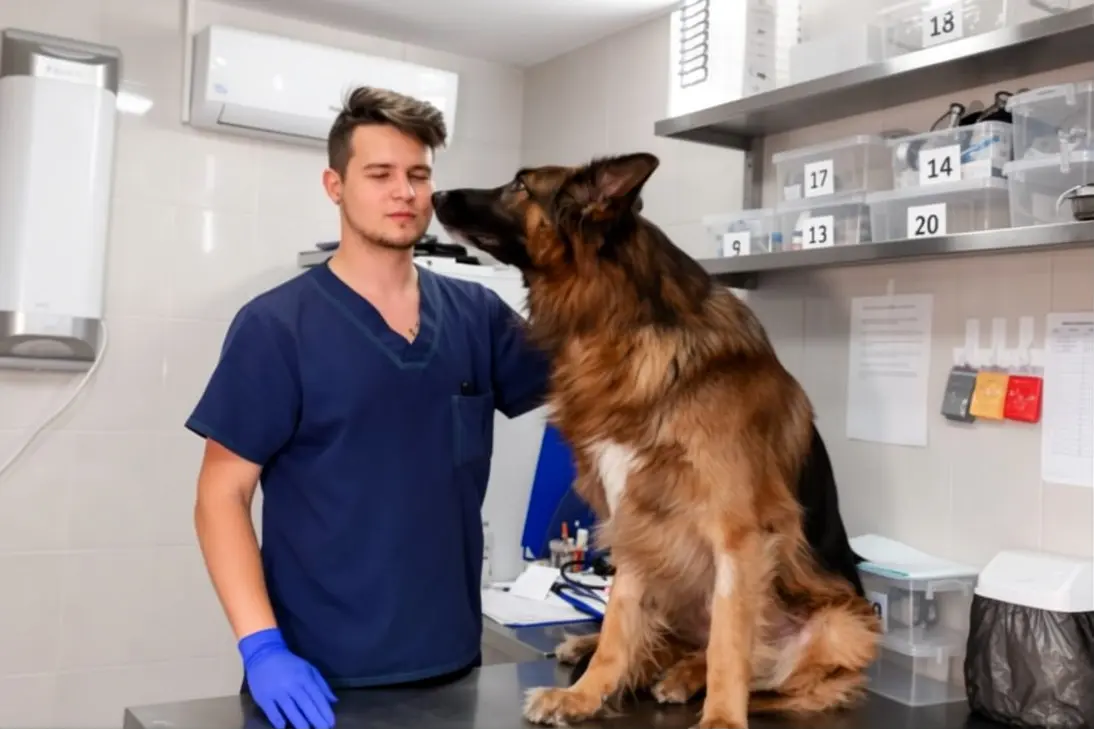
Emergency signs of severe hip issues in German Shepherds requiring immediate veterinary care
⚠️ Instant Symptom Analysis & Risk Scoring

Inability to bear weight on a hindlimb is flagged as a high-risk emergency; this may indicate fracture, severe hip dislocation, or advanced joint disease requiring immediate evaluation.

🩸 Instant Symptom Analysis & Risk Scoring

Sudden onset of severe pain or vocalization when moving triggers high-risk scoring; this may indicate a hip luxation or acute spinal condition requiring immediate intervention.

🔄 24/7 Smart Triage & Urgency Assessment

Paralysis or complete inability to move the hindlimbs elevates urgency to critical; this may indicate intervertebral disc disease requiring emergency surgical evaluation.

🫨 24/7 Smart Triage & Urgency Assessment

Signs of neurologic impairment including knuckling, ataxia, or pelvic limb incoordination are assessed as urgent; these may indicate spinal nerve compression.

📄 Exportable Clinical Summary Report

Any history of trauma, fall, or sudden lameness is documented for rapid handover; this history is critical for appropriate emergency management and treatment decisions.

📋 Exportable Clinical Summary Report

Any progressive mobility decline and pain history is compiled into a vet-ready report; this facilitates rapid emergency handover and comprehensive orthopedic evaluation.

Any of these signs? Do not wait.

Veterinary AI prepares a clinical summary for your veterinarian while you travel, but immediate emergency veterinary attention is essential for severe German Shepherd hip concerns.

Start Symptom Assessment

Monthly

Flexible, cancel anytime

€9.99 /month
AI symptom assessment
Emergency guidance 24/7
Preventive care reminders
Wellness monitoring
Breed-specific health tips
Unlimited conversations
Start monthly plan
SAVE 24%

Annual

Best value for your pet

€90.99 /year

Just €7.58/month

AI symptom assessment
Emergency guidance 24/7
Preventive care reminders
Wellness monitoring
Breed-specific health tips
Priority support
Start annual plan
Veterinary AI provides clinical triage support and educational information; it does not constitute a diagnosis, treatment plan, or substitute for professional, in-person veterinary care.

By submitting you agree to our Privacy Policy

Veterinary AI

AI-Powered Pet Care 24/7

More and more pet owners trust Veterinary AI for their pet's health. Get instant AI consultations, track medical records, set vaccine reminders, and access expert guidance — all from your phone. No waiting rooms, no appointments. Start now.
FAQ

Frequently Asked
Questions

Everything you need to know about German Shepherd hip problems and how Veterinary AI can help. Can't find what you're looking for?

Start Symptom Assessment

What are the early signs of hip problems in German Shepherds?

Watch for difficulty rising, stiffness after rest, reluctance to climb stairs, limping, or reduced hindlimb muscle mass.

How is hip dysplasia diagnosed in German Shepherds?

Diagnosis involves physical examination, orthopedic manipulation, and radiographs (X-rays) to assess joint conformation and arthritic changes.

Can hip problems in German Shepherds be prevented?

Maintain lean weight, avoid excessive high-impact exercise during growth, and choose breeding dogs with certified hip scores.

What treatments are available for hip dysplasia in German Shepherds?

Options include weight management, physical therapy, anti-inflammatory medications, joint supplements, and surgical interventions such as total hip replacement.

When should I seek emergency care for my German Shepherd's hip?

Seek immediate care if your dog cannot bear weight, shows severe pain, has limb paralysis, or experiences sudden collapse.