Cat Not Eating: Clinical Triage Support

Understand why your cat is not eating with clinically grounded AI guidance. Veterinary AI helps you assess urgency and prepare for your in-person vet visit, without replacing professional care.

VETERINARY AI FOR PET OWNERS

Understanding Why Your Cat Is Not Eating

A cat refusing food for more than 24 hours is a clinically significant sign. It may indicate anything from mild stress to serious conditions like hepatic lipidosis, kidney disease, or gastrointestinal obstruction requiring prompt attention.

While this symptom understandably causes concern, objective triage helps you make informed decisions. Veterinary AI provides structured clinical support to help you monitor your cat and determine when professional care is needed.

Veterinary AI

Assess your cat's appetite situation with clinical precision

Common Causes of Cat Not Eating

Feline anorexia has multiple origins, ranging from stress to serious medical conditions.

Stress and Environmental Changes

Moving, new pets, or routine disruptions can cause temporary appetite loss in cats

Dental Disease and Oral Pain

Tooth pain, gingivitis, or oral ulcers can make eating uncomfortable or painful

Gastrointestinal Issues

Inflammatory bowel disease, pancreatitis, or hairballs can reduce appetite significantly

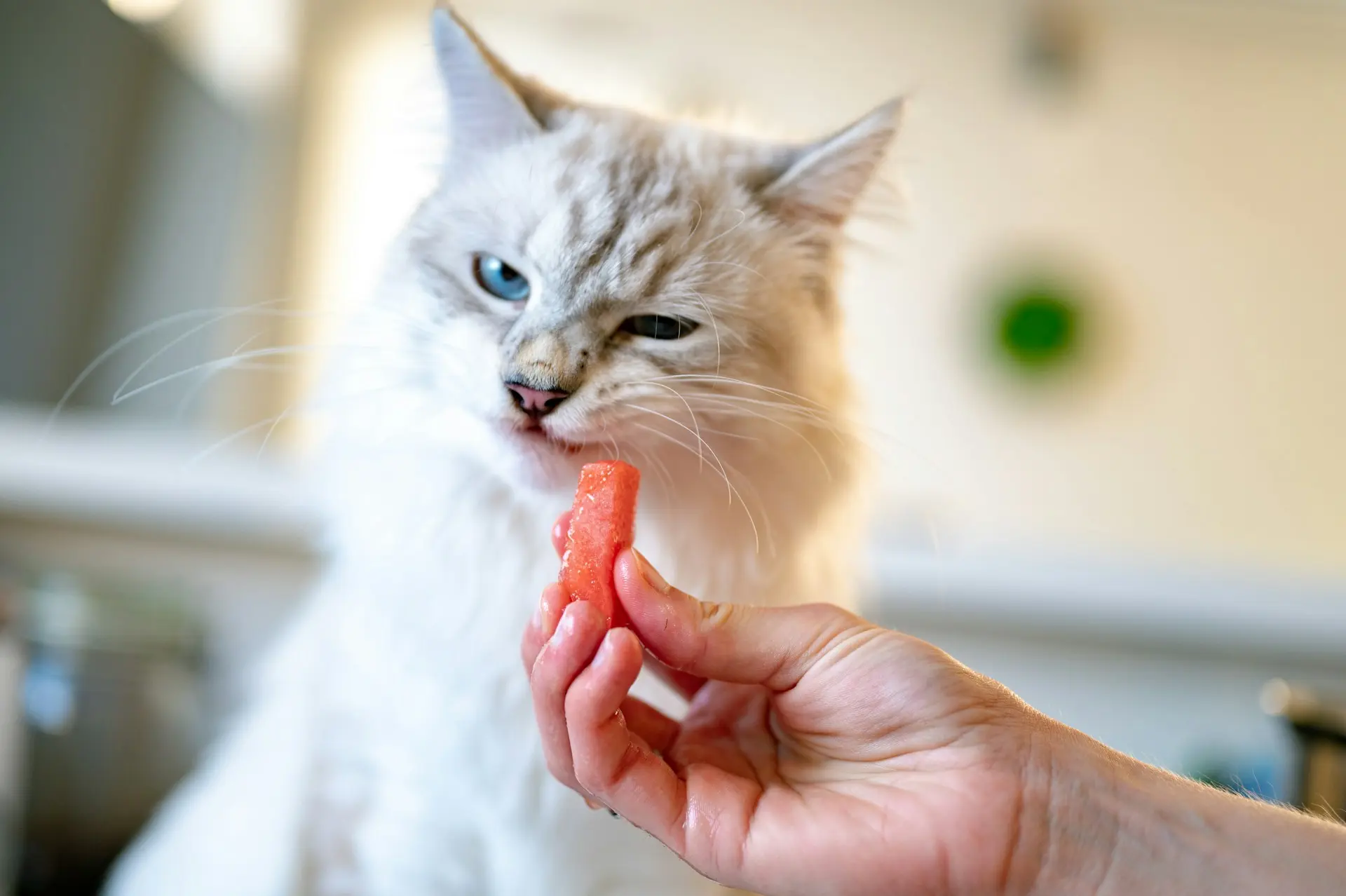
Cat showing signs of appetite loss requiring clinical assessment

Kidney Disease

Chronic kidney disease is common in senior cats and often causes decreased appetite

Hepatic Lipidosis

Serious condition where fat accumulates in the liver, often triggered by anorexia

Infectious Diseases

Feline leukemia, FIV, or upper respiratory infections can suppress appetite

If your cat is not eating and you're uncertain about the severity, take informed action. Veterinary AI delivers real-time clinical triage tailored to your cat's specific presentation; helping you distinguish between mild appetite changes and signs requiring immediate veterinary evaluation with clarity and confidence.

+0
Symptoms analyzed
by pet owners worldwide
+0
Pet owners trusting
AI for their pet's health
0/7
Available anytime
even at 2AM emergencies

Safe Home Care & Monitoring Guidelines

Non-invasive, medically safe measures to support your cat and monitor for early health changes

Monitor Food Intake

Measure exactly how much your cat eats daily; note every attempt to eat and any interest in food

Monitor Water Consumption

Measure daily water intake; normal is approximately 50 ml/kg/day; note any changes in drinking habits

Track Vomiting and Diarrhea

Record frequency, timing, and any blood present in vomit or stool for your veterinarian

Monitor Weight

Weigh your cat weekly; rapid weight loss is a critical indicator of serious illness

Check for Jaundice

Examine gums and ears for yellow discoloration; jaundice may indicate liver dysfunction

Maintain Health Diary

Document appetite, water intake, weight, vomiting, and behavior changes for your veterinarian

These are supportive measures only. They do not replace professional veterinary assessment or treatment. Always consult your veterinarian for definitive guidance.

TESTIMONIALS

OPYNIO Reviews Cat Not Eating

When Can Veterinary AI Help You and Your Cat?

Timely, clinically-grounded support for every stage of your cat's appetite assessment

Unsure About Severity?

When your cat is not eating and you're uncertain whether it's a temporary issue or a serious medical condition, Veterinary AI provides evidence-based guidance to help you determine appropriate monitoring and when to seek veterinary care.

Persistent or Escalating?

If your cat refuses food for more than 24 hours, or shows vomiting, lethargy, jaundice, or weight loss, Veterinary AI helps you assess urgency and compile a detailed timeline for your veterinarian.

Pre-Visit Preparation?

When you need clinically-grounded guidance while preparing the exact history (age, appetite duration, water intake, vomiting, weight changes, and all clinical observations) your veterinarian needs for informed evaluation and treatment decisions.

💡 Always trust your instincts. If you're concerned about your cat's appetite, Veterinary AI provides immediate, evidence-based assessment; but never delays seeking emergency care when your cat shows jaundice, severe lethargy, collapse, or persistent vomiting.

When to Seek Immediate Emergency Care

Red flags that require urgent veterinary attention; and how Veterinary AI supports each critical decision when your cat is not eating.

Cat not eating for more than 24 hours; Veterinary AI's instant risk scoring flags this as a critical emergency requiring immediate veterinary evaluation, especially given the risk of hepatic lipidosis
Jaundice (yellow gums or ears) with appetite loss; Instant symptom analysis identifies this critical red flag indicating potential liver failure requiring urgent intervention
Severe lethargy or collapse; 24/7 smart triage triggers an elevated urgency assessment for potential hepatic lipidosis or systemic illness at any hour
Persistent vomiting with appetite loss; 24/7 smart triage assesses this as a critical indicator of severe gastrointestinal or metabolic disease requiring immediate emergency evaluation
Rapid weight loss with appetite loss; Generating an exportable clinical summary report compiles critical history including weight trends for rapid emergency handover
Any uncertainty about your cat's condition; Generating an exportable clinical summary report documents all observations for rapid emergency handover and comprehensive veterinary evaluation
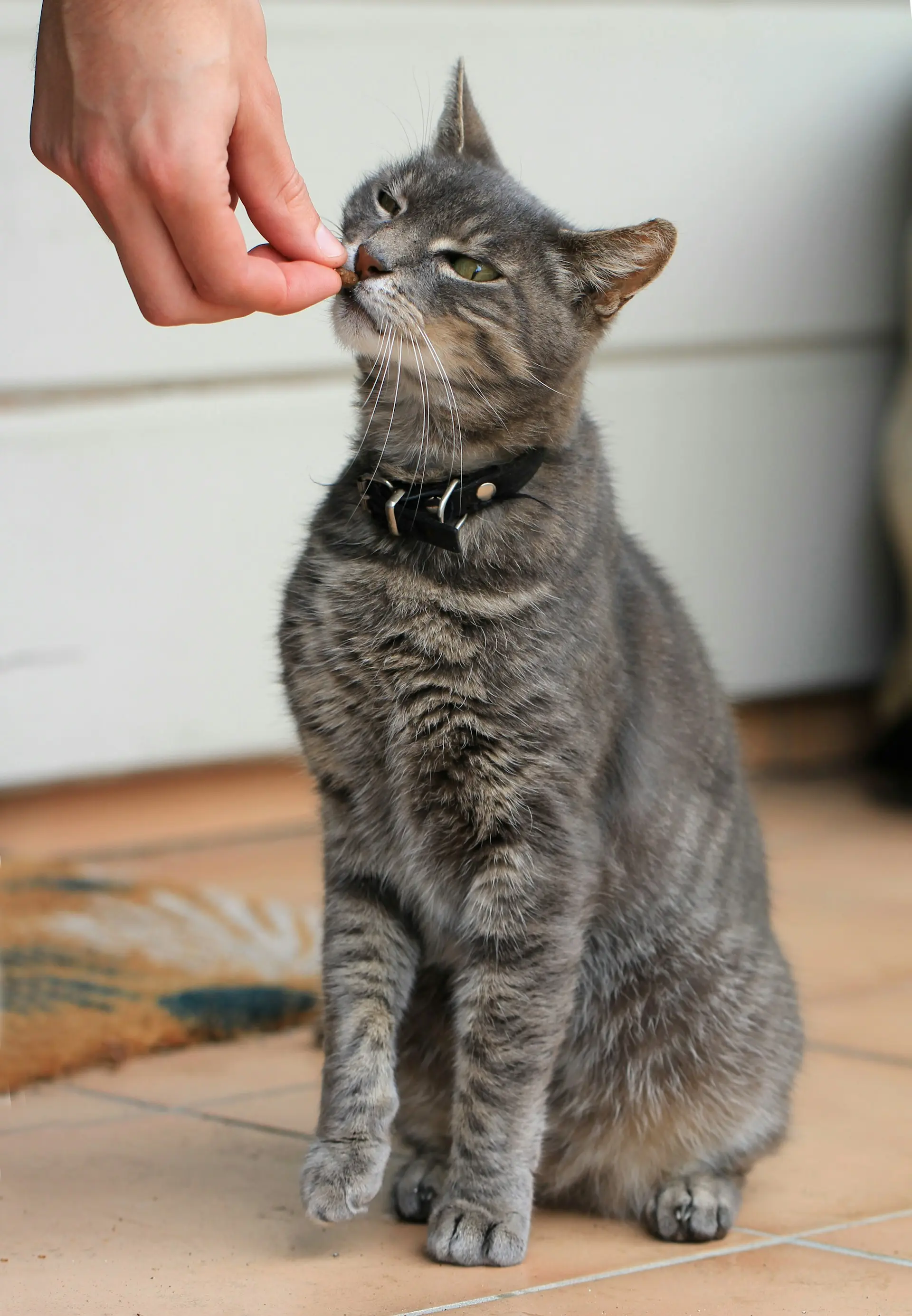
Cat showing signs of severe appetite loss needing emergency veterinary care

Veterinary AI supports clinical decision-making but does not replace emergency veterinary care. If you observe any red flags listed above, contact emergency veterinary services immediately. This tool is for triage and educational support only and does not constitute medical diagnosis or treatment.

Monthly

Flexible, cancel anytime

€9.99 /month
AI symptom assessment
Emergency guidance 24/7
Preventive care reminders
Wellness monitoring
Breed-specific health tips
Unlimited conversations
Start monthly plan
SAVE 24%

Annual

Best value for your pet

€90.99 /year

Just €7.58/month

AI symptom assessment
Emergency guidance 24/7
Preventive care reminders
Wellness monitoring
Breed-specific health tips
Priority support
Start annual plan
Veterinary AI provides clinical triage support and educational information; it does not constitute a diagnosis, treatment plan, or substitute for professional, in-person veterinary care.

By submitting you agree to our Privacy Policy

Veterinary AI

AI-Powered Pet Care 24/7

More and more pet owners trust Veterinary AI for their pet's health. Get instant AI consultations, track medical records, set vaccine reminders, and access expert guidance — all from your phone. No waiting rooms, no appointments. Start now.
FAQ

Frequently Asked
Questions

Everything you need to know about feline appetite loss and how Veterinary AI can help. Can't find what you're looking for?

Start Symptom Assessment

How long can a cat go without eating?

Cats should not go more than 24 hours without eating. Prolonged anorexia can lead to hepatic lipidosis, a serious liver condition.

What should I do if my cat won't eat?

Offer warm, palatable foods like tuna or chicken. Monitor water intake and energy levels. Contact your veterinarian if appetite loss persists.

Why is my cat not eating but acting normal?

Stress, dietary changes, or mild illness can cause temporary appetite loss. If it lasts more than 24 hours, consult your veterinarian.

Can stress cause a cat to stop eating?

Yes. Stress from moving, new pets, or routine changes can cause temporary anorexia. If it persists beyond 24 hours, seek veterinary advice.

When should I take my cat to the vet for not eating?

Seek veterinary care if appetite loss lasts more than 24 hours, or if your cat shows vomiting, lethargy, jaundice, or weight loss.