Cat Diarrhea: Clinical Triage Support

AI-powered clinical assessment helps you evaluate your cat’s diarrhea objectively, providing structured guidance while you prepare for your veterinary consultation.

VETERINARY AI FOR PET OWNERS

Understanding Your Cat's Diarrhea

Diarrhea in cats is a common but clinically significant sign that can range from mild dietary indiscretion to indicators of serious systemic disease. Feline physiology makes them particularly susceptible to dehydration and electrolyte imbalances from diarrhea.

While occasional loose stool may resolve spontaneously, persistent diarrhea warrants careful evaluation. Objective monitoring helps distinguish between benign causes and conditions requiring medical intervention. Veterinary AI provides structured clinical assessment to support your observations and facilitate productive veterinary consultations.

Veterinary AI

Assess your cat's diarrhea with clinical precision

Common Causes of Cat Diarrhea

Understanding these potential causes helps you identify diarrhea concerns early and seek appropriate veterinary care.

Dietary Indiscretion

Diet changes, table scraps, or spoiled food can cause acute diarrhea

Food Allergies or Intolerances

Sensitivity to proteins or additives causes intestinal inflammation

Inflammatory Bowel Disease

Chronic intestinal inflammation; requires veterinary diagnosis and management

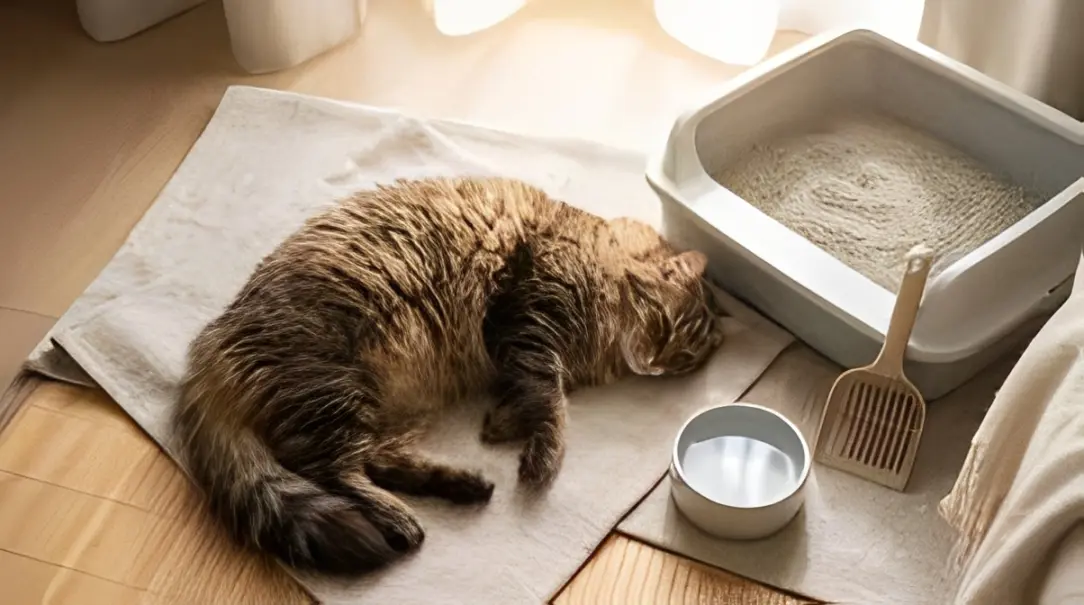
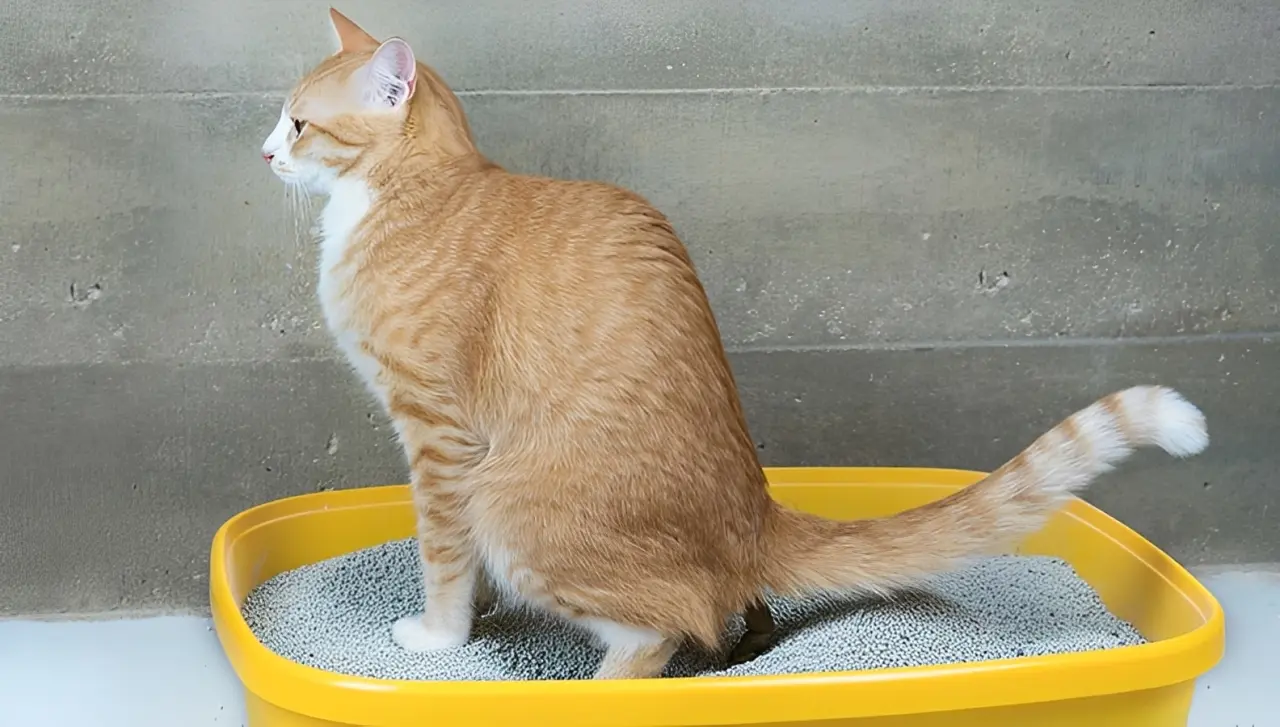
Cat diarrhea: clinical assessment and triage support

Parasitic Infections

Roundworms, hookworms, or Giardia cause diarrhea; requires fecal testing

Systemic Disease

Hyperthyroidism, kidney disease, or diabetes can cause chronic diarrhea

Stress-Induced Diarrhea

Environmental changes, travel, or stress can cause acute GI upset

If your cat shows diarrhea with changes in behavior or appetite, early detection is critical. Veterinary AI provides real-time clinical triage tailored to feline-specific risks; helping you distinguish between benign causes and conditions requiring prompt veterinary evaluation with clarity and confidence.

+0
Symptoms analyzed
by pet owners worldwide
+0
Pet owners trusting
AI for their pet's health
0/7
Available anytime
even at 2AM emergencies

Safe Home Care & Monitoring Guidelines

Non-invasive, medically safe measures to support your cat and monitor for early diarrhea-related changes

Hydration Monitoring

Check skin turgor and gum moisture regularly; dehydration is a serious concern with diarrhea

Stool Documentation

Record frequency, consistency, color, and any blood or mucus; this information is critical for diagnosis

Appetite and Behavior Observation

Note any decreased appetite, lethargy, hiding, or changes in water intake; these are critical indicators

Diet Management

Feed a bland diet (boiled chicken and rice) if tolerated; avoid rich foods and dairy products

Weight Tracking

Monitor weight weekly; significant loss may indicate chronic disease requiring veterinary attention

Emergency Preparedness

Have emergency vet contact information ready; prepare detailed notes about diarrhea episodes for rapid communication

These are supportive measures only. They do not replace professional veterinary assessment or treatment. Always consult your veterinarian for definitive guidance.

TESTIMONIALS

OPYNIO Reviews Cat Diarrhea

When Can Veterinary AI Help You and Your Cat?

Timely, clinically-grounded support for every stage of your cat's diarrhea assessment

Unsure About Severity?

When your cat has diarrhea and you cannot determine whether it is a mild dietary issue or a sign of serious GI disease requiring veterinary attention.

Persistent or Escalating?

If your cat shows persistent diarrhea with decreased appetite, lethargy, or weight loss; these may indicate inflammatory bowel disease or systemic illness.

Pre-Visit Preparation?

When you need clinically-grounded guidance while preparing the exact history (duration, frequency, consistency, associated symptoms, and all clinical observations) your veterinarian needs for GI evaluation.

💡 Always trust your instincts. If you're concerned about your cat's diarrhea, Veterinary AI provides immediate, evidence-based assessment; but never delays seeking emergency care when your cat shows lethargy, dehydration, or blood in stool.

When to Seek Immediate Emergency Care

These warning signs require urgent action, supported by Veterinary AI's core tools.

Emergency signs of severe diarrhea in cats requiring immediate veterinary care
⚠️ Instant Symptom Analysis & Risk Scoring

Blood in diarrhea (hematochezia) is flagged as a critical emergency; this may indicate gastrointestinal bleeding, parasites, or severe inflammation requiring immediate intervention.

🩸 Instant Symptom Analysis & Risk Scoring

Severe lethargy or weakness with diarrhea triggers high-risk scoring; this may indicate dehydration, sepsis, or systemic illness requiring emergency evaluation.

🔄 24/7 Smart Triage & Urgency Assessment

Signs of severe dehydration including dry gums, skin tenting, or sunken eyes elevate urgency to critical; cats with diarrhea dehydrate rapidly and require immediate care.

🫨 24/7 Smart Triage & Urgency Assessment

Repeated vomiting with diarrhea is assessed as urgent; this may indicate gastroenteritis, obstruction, or toxin exposure requiring emergency intervention.

📄 Exportable Clinical Summary Report

History of toxin exposure, ingestion of foreign material, or medication is documented for rapid handover; this history is critical for emergency evaluation.

📋 Exportable Clinical Summary Report

Any acute diarrhea, dehydration, or systemic signs are compiled into a vet-ready report; this ensures comprehensive handover for appropriate emergency care.

Any of these signs? Do not wait.

Veterinary AI prepares a clinical summary for your veterinarian while you travel, but immediate emergency veterinary attention is essential for severe cat diarrhea concerns.

Start Symptom Assessment

Monthly

Flexible, cancel anytime

€9.99 /month
AI symptom assessment
Emergency guidance 24/7
Preventive care reminders
Wellness monitoring
Breed-specific health tips
Unlimited conversations
Start monthly plan
SAVE 24%

Annual

Best value for your pet

€90.99 /year

Just €7.58/month

AI symptom assessment
Emergency guidance 24/7
Preventive care reminders
Wellness monitoring
Breed-specific health tips
Priority support
Start annual plan
Veterinary AI provides clinical triage support and educational information; it does not constitute a diagnosis, treatment plan, or substitute for professional, in-person veterinary care.

By submitting you agree to our Privacy Policy

Veterinary AI

AI-Powered Pet Care 24/7

More and more pet owners trust Veterinary AI for their pet's health. Get instant AI consultations, track medical records, set vaccine reminders, and access expert guidance — all from your phone. No waiting rooms, no appointments. Start now.
FAQ

Frequently Asked
Questions

Everything you need to know about cat diarrhea and how Veterinary AI can help. Can't find what you're looking for?

Start Symptom Assessment

When should I worry about my cat's diarrhea?

Worry if diarrhea persists more than 24 hours, contains blood, or is accompanied by lethargy, vomiting, or decreased appetite.

What causes diarrhea in cats?

Common causes include diet changes, food allergies, parasites, infections, inflammatory bowel disease, and systemic illness.

What should I feed my cat with diarrhea?

Feed a bland diet (boiled chicken and rice) in small portions. If diarrhea persists, consult your veterinarian for appropriate dietary advice.

Can stress cause diarrhea in cats?

Yes, stress from environmental changes, travel, or new pets can trigger acute diarrhea in sensitive cats.

When is cat diarrhea an emergency?

Emergency if diarrhea contains blood, is accompanied by vomiting, lethargy, dehydration, or if your cat is a young kitten or senior.