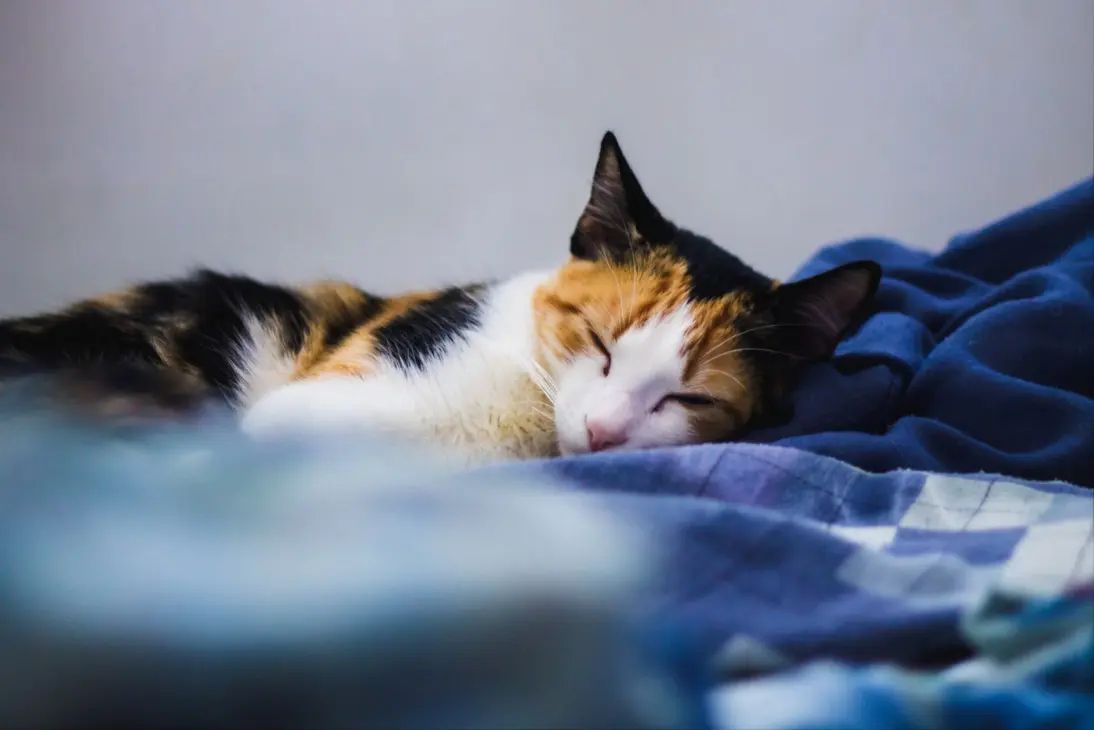
Your cat’s excessive sleeping requires careful assessment. Veterinary AI helps you evaluate severity, monitor safely, and prepare for your vet visit with objective clinical data.
Cats typically sleep 12-16 hours daily, but significant increases beyond this range may indicate underlying pathology. Lethargy, inactivity, or difficulty waking can signal pain, metabolic disease, infection, or systemic illness requiring veterinary investigation.
While cats are naturally crepuscular and rest frequently, objective triage is your most reliable tool right now. Veterinary AI helps you distinguish between normal feline behavior and concerning lethargy, giving you clarity when you need it most.
Understanding these potential causes helps you identify lethargy concerns early and seek appropriate veterinary care.
Normal Aging Process
Senior cats naturally sleep more and reduce activity levels; gradual changes are often age-related
Pain or Arthritis
Joint pain or discomfort causes reduced activity and increased resting; common in older cats
Kidney Disease (Chronic)
Chronic kidney disease causes lethargy, increased sleeping, and appetite changes; common in senior cats
Diabetes Mellitus
Diabetes leads to lethargy, increased sleeping, weight loss, and increased thirst or urination
Hyperthyroidism or Hypothyroidism
Thyroid imbalances cause lethargy, weight changes, and altered sleep patterns in cats
Anemia or Systemic Illness
Reduced red blood cells or systemic infection causes fatigue and excessive sleeping with other symptoms
✦ If your cat shows excessive sleeping with appetite loss, weight loss, or difficulty waking, early detection is critical. Veterinary AI provides real-time clinical triage tailored to feline-specific risks; helping you distinguish between normal aging and conditions requiring prompt veterinary evaluation with clarity and confidence.
Non-invasive, medically safe measures to support your cat and monitor for early lethargy-related changes
Sleep Duration and Pattern Tracking
Document daily sleep hours, difficulty waking, and any changes from baseline over the past week
Appetite and Water Intake Monitoring
Track food and water consumption daily; decreased intake may indicate systemic illness requiring evaluation
Regular Weight Monitoring
Weigh your cat weekly; significant loss (5-10% of body weight) may indicate chronic disease
Activity and Interaction Observation
Note any decline in playfulness, grooming behavior, or responsiveness to stimuli and interaction
Hydration Status Assessment
Check skin turgor (scruff pinch) and gum moisture; dehydration is a serious concern with lethargy
Clinical Summary Preparation
Document sleep duration, appetite changes, weight trends, and any other symptoms (vomiting, diarrhea, increased thirst) for your veterinarian
⚠ These are supportive measures only. They do not replace professional veterinary assessment or treatment. Always consult your veterinarian for definitive guidance.
TESTIMONIALS
Timely, clinically-grounded support for every stage of your cat's lethargy assessment
When your cat sleeps excessively and you cannot determine whether it is normal aging or a sign of kidney disease, diabetes, or other systemic illness requiring prompt veterinary attention.
If your cat shows excessive sleeping (18+ hours daily), difficulty waking, appetite loss, weight loss, or lethargy; these may indicate chronic kidney disease, diabetes, or thyroid imbalances.
When you need clinically-grounded guidance while preparing the exact history (sleep duration, appetite changes, weight trends, and all clinical observations) your veterinarian needs for evaluation.
💡 Always trust your instincts. If you are concerned about your cat's excessive sleeping, Veterinary AI provides immediate, evidence-based assessment; but never delays seeking emergency care when your cat shows difficulty waking, collapse, vomiting, or signs of severe dehydration.
These warning signs require urgent action, supported by Veterinary AI's core tools.
Sleeping with difficulty waking (stupor) or unresponsiveness is flagged as a critical emergency; this may indicate severe metabolic imbalance, organ failure, or neurological compromise requiring immediate intervention.
Excessive sleeping accompanied by vomiting, diarrhea, or pale gums triggers a critical alert; this indicates severe systemic illness requiring immediate evaluation.
Sudden onset of profound lethargy with collapse or inability to stand signals a life-threatening event; immediate emergency transport is essential.
Sleeping with severe dehydration (dry gums, skin tenting, sunken eyes) indicates critical fluid imbalance requiring urgent care.
Chronic excessive sleeping with concurrent weight loss or appetite changes requires organized data for your vet; our report consolidates all symptoms, sleep patterns, and timeline.
If your cat has a known chronic condition (kidney disease, diabetes) and lethargy worsens; our summary helps your vet adjust treatment plans rapidly with comprehensive clinical data.
Any of these signs? Do not wait.
Veterinary AI prepares a clinical summary for your veterinarian while you travel, but immediate emergency veterinary attention is essential for severe lethargy or excessive sleeping in cats.
Flexible, cancel anytime
Best value for your pet
Just €7.58/month
Thanks for your interest in Veterinary AI. We'll notify you as soon as your AI consultation is ready. Check your email for confirmation.
More and more pet owners trust Veterinary AI for their pet's health. Get instant AI consultations, track medical records, set vaccine reminders, and access expert guidance — all from your phone. No waiting rooms, no appointments. Start now.
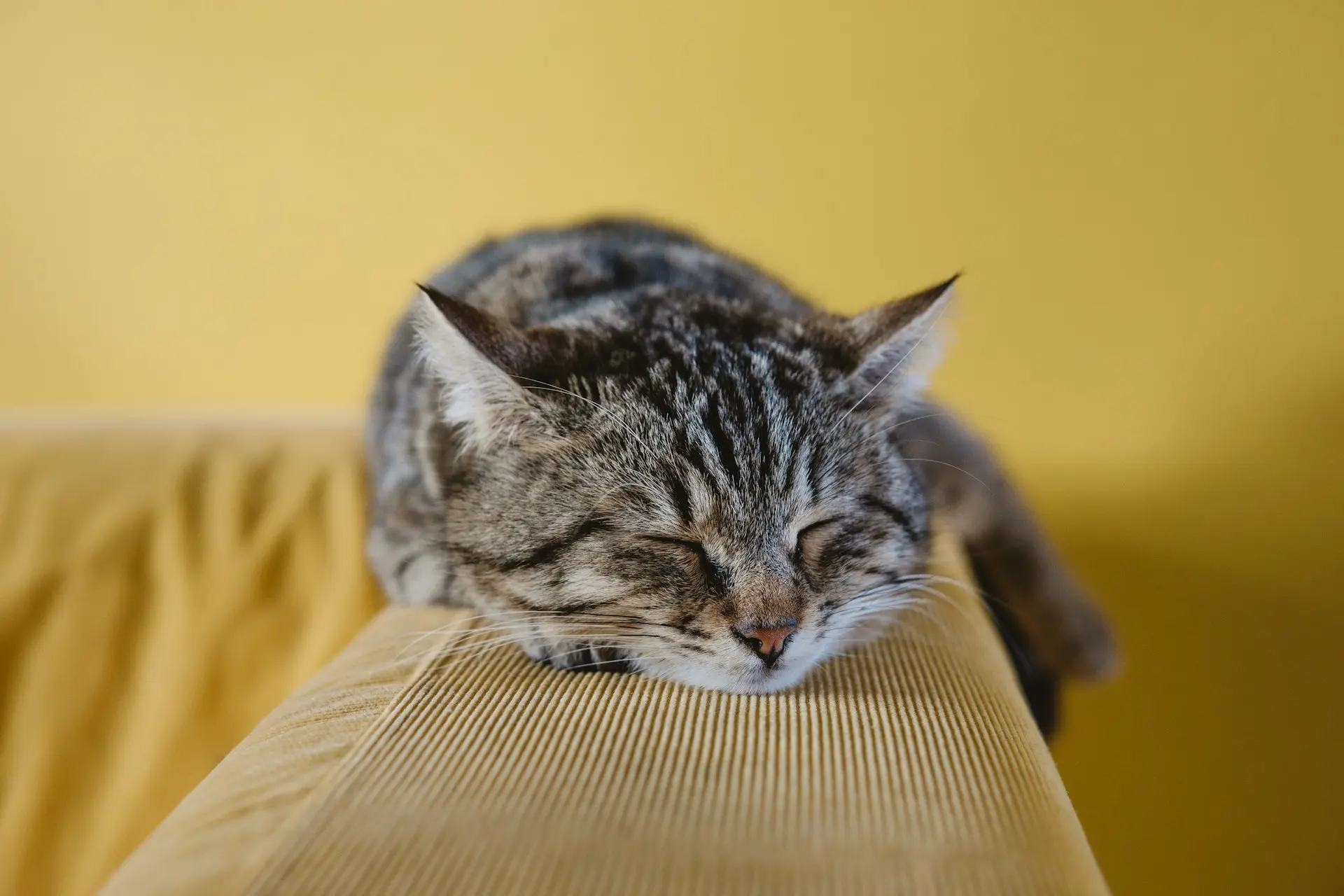
Everything you need to know about cat excessive sleeping and how Veterinary AI can help. Can't find what you're looking for?
Start Symptom AssessmentWorry if sleeping exceeds 18+ hours daily, is accompanied by appetite loss, weight loss, vomiting, diarrhea, or difficulty waking. Veterinary evaluation is recommended.
Yes, senior cats naturally sleep more. However, a sudden increase or lethargy with other symptoms warrants veterinary investigation to rule out underlying disease.
Kidney disease, diabetes, hyperthyroidism, hypothyroidism, arthritis, anemia, and systemic infections can all cause lethargy and excessive sleeping.
While normal cats sleep 12-16 hours daily, sleeping more than 18 hours, especially with difficulty waking or other symptoms, is concerning.
Stress can cause behavioral changes including increased sleeping. However, persistent lethargy always warrants veterinary investigation to rule out medical causes.