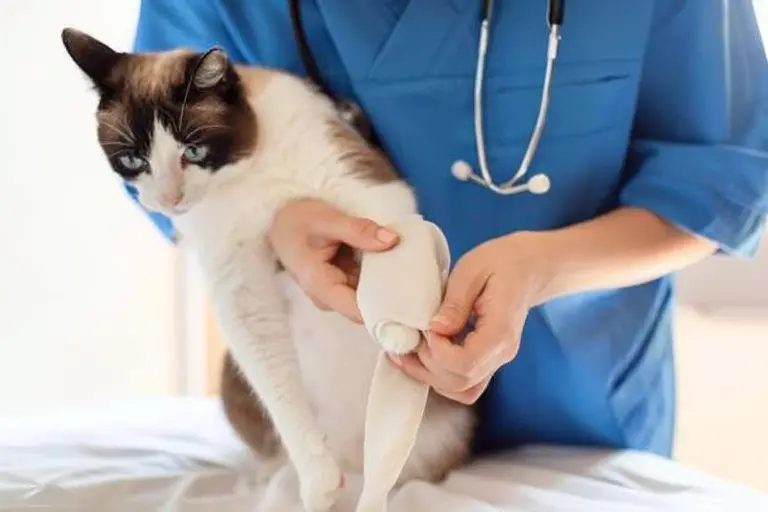
Veterinary AI provides objective, evidence-based guidance to help you assess your cat’s limping. This supports, but never replaces, your in-person veterinary examination.
Limping in cats often indicates pain originating from soft tissue, bone, or joint structures. Unlike dogs, felines are adept at masking discomfort; even subtle gait changes warrant attention. This symptom may reflect trauma, osteoarthritis, or systemic inflammatory conditions requiring objective evaluation.
While many limping episodes resolve with rest, others signal progressive pathology. Avoid panic, but recognize that prompt triage protects joint health and prevents chronic pain. Veterinary AI offers structured monitoring to clarify when home care is sufficient versus when veterinary assessment becomes urgent.
Understanding these potential causes helps you assess your cat's lameness and determine when veterinary care is needed.
Soft Tissue Strain
Overexertion or minor trauma causing temporary muscle or ligament discomfort; often resolves with rest
Nail or Paw Injury
Embedded foreign bodies, torn claws, or cuts causing localized foot pain and limping
Arthritis (Osteoarthritis)
Degenerative joint disease causing chronic, progressive lameness in senior cats
Luxating Patella
Kneecap displacement leading to intermittent skipping or hopping gait; common in certain breeds
Fracture or Trauma
Bony injury from falls, vehicle accidents, or severe impact requiring immediate stabilization
Infectious or Metabolic Disease
Conditions like septic arthritis or diabetes affecting musculoskeletal integrity
✦ If your cat is limping, early assessment is critical. Veterinary AI provides real-time clinical triage tailored to feline lameness; helping you distinguish between benign causes and conditions requiring prompt veterinary evaluation with clarity and confidence.
Non-invasive, medically safe measures to support your cat and monitor for lameness-related changes
Weight-Bearing Pattern Observation
Observe every 2-3 hours; note if your cat bears weight on the affected leg or holds it completely off the ground
Environmental Accessibility
Provide ramps or steps to favorite elevated spots; place food, water, and litter box on the same level to minimize movement
Hydration and Appetite Monitoring
Offer fresh water at multiple locations; document eating and drinking frequency, as decreased intake may signal pain or illness
Paw and Limb Examination
Gently inspect paw pads for foreign bodies (thorns, glass), torn nails, or swelling; avoid deep palpation of painful areas
Pain and Vocalization Assessment
Note any crying, hissing, or aggression when the area is touched; document behavioral changes like hiding, restlessness, or lethargy
Clinical Summary Documentation
Record onset, frequency, weight-bearing patterns, pain response, and any environmental changes for your veterinarian
⚠ These are supportive measures only. They do not replace professional veterinary assessment or treatment. Always consult your veterinarian for definitive guidance.
TESTIMONIALS
Timely, clinically-grounded support for every stage of your cat's lameness assessment
When your cat is limping and you cannot determine if it's a minor sprain, a luxating patella, early arthritis, or a fracture requiring immediate orthopedic evaluation.
If your cat's limping worsens, becomes non-weight-bearing, is accompanied by swelling, heat, or deformity, or your cat shows signs of systemic illness such as fever or lethargy.
When you need clinically-grounded guidance while preparing the exact history (onset, frequency, weight-bearing status, pain response, and all clinical observations) your veterinarian needs for orthopedic or neurological evaluation.
💡 Always trust your instincts. If you are concerned about your cat's limping, Veterinary AI provides immediate, evidence-based assessment; but never delays seeking emergency care when your cat shows signs of severe pain, non-weight-bearing lameness with swelling, or signs of systemic illness.
These warning signs require urgent action, supported by Veterinary AI's core tools.
Complete non-weight-bearing lameness with no improvement within hours is flagged as a critical emergency; this may indicate a fracture, luxation, or severe soft tissue injury requiring immediate stabilization.
Swelling, heat, or deformity of the limb compared to the opposite side triggers a critical alert; this indicates possible fracture, joint luxation, or severe inflammatory process requiring radiographic evaluation.
Limping accompanied by signs of severe pain (crying out, trembling, aggression when touched) signals a critical condition requiring immediate pain management and diagnostic investigation.
Sudden inability to stand or walk on multiple legs, or with ataxia (incoordination), indicates potential neurological involvement or severe systemic illness requiring urgent evaluation.
Limping with accompanying signs of systemic compromise (pale gums, cold extremities, rapid heart rate) requires a structured clinical summary; our report organizes all observations for the emergency team.
If your cat has a known orthopedic condition and lameness worsens rapidly or is accompanied by progressive deterioration, our report helps your vet adjust treatment plans with comprehensive clinical data.
Any of these signs? Do not wait.
Veterinary AI prepares a clinical summary for your veterinarian while you travel, but immediate emergency veterinary attention is essential for severe lameness, fractures, or signs of systemic illness in cats.
Flexible, cancel anytime
Best value for your pet
Just €7.58/month
Thanks for your interest in Veterinary AI. We'll notify you as soon as your AI consultation is ready. Check your email for confirmation.
More and more pet owners trust Veterinary AI for their pet's health. Get instant AI consultations, track medical records, set vaccine reminders, and access expert guidance — all from your phone. No waiting rooms, no appointments. Start now.
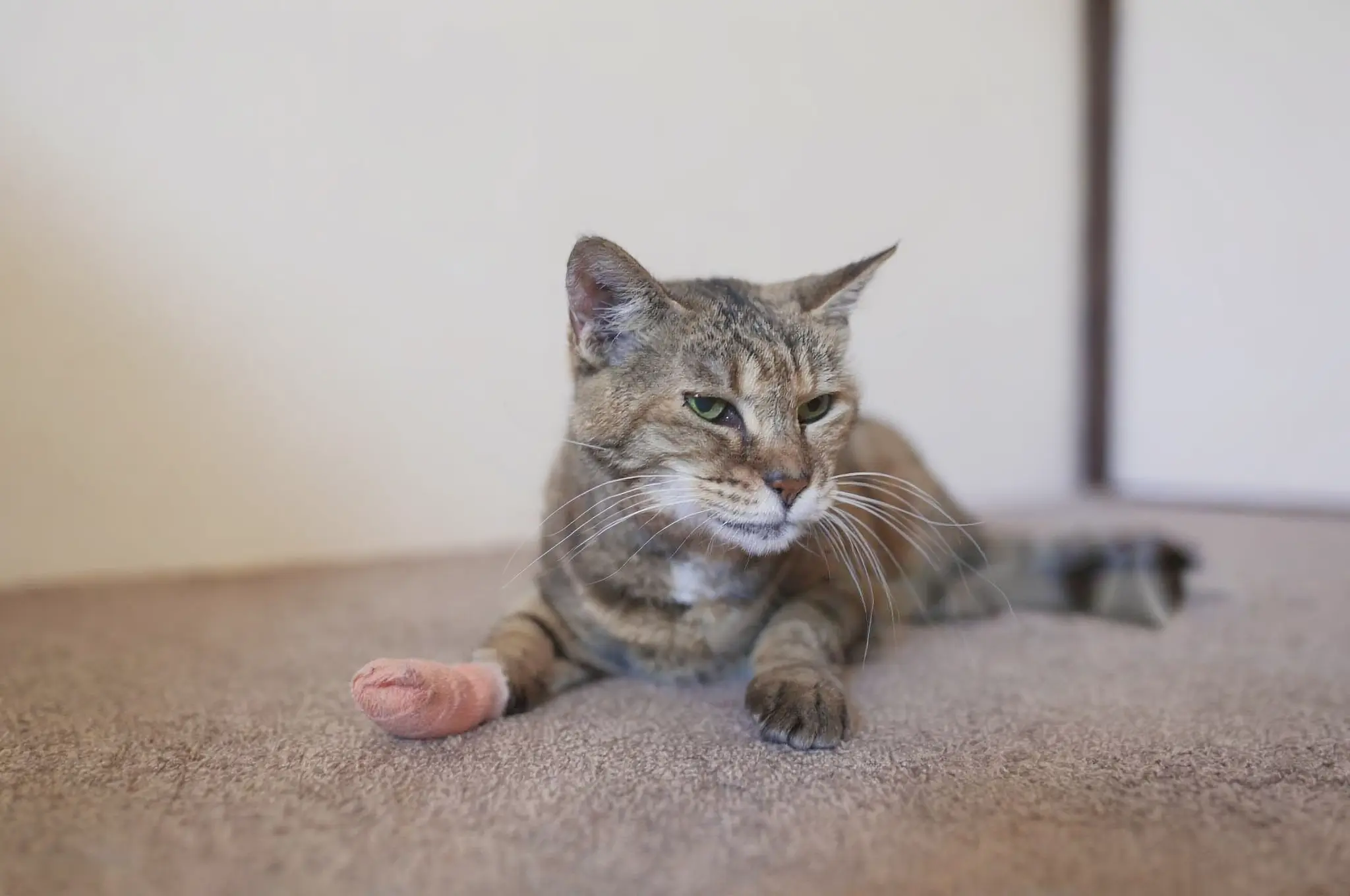
Everything you need to know about cat limping and how Veterinary AI can help. Can't find what you're looking for?
Start Symptom AssessmentMonitor for 12-24 hours if weight-bearing and otherwise normal. Seek immediate care if non-weight-bearing, accompanied by swelling, deformity, or signs of severe pain.
Sudden lameness often indicates acute trauma, nail injury, or a foreign body in the paw. Gradual onset suggests chronic conditions like arthritis, which is common in senior cats.
Yes, osteoarthritis is a frequent cause of limping in older cats, often presenting with subtle stiffness, reduced activity, and difficulty jumping.
No. Human NSAIDs and acetaminophen are highly toxic to cats. Never medicate without explicit veterinary direction.
Yes, luxating patella causes intermittent skipping or hopping lameness, particularly in certain breeds. It requires veterinary orthopedic evaluation for confirmation and management.