Rabbit Teeth Problems: Clinical Triage Support

Evaluate your rabbit’s dental health with AI-driven clinical guidance. Understand malocclusion risks, monitor symptoms, and prepare data for your exotics veterinarian without replacing their expert care.

VETERINARY AI FOR PET OWNERS

Understanding Dental Problems in Rabbits: When to Monitor and When to Act

Rabbits have continuously growing teeth that require constant wear through chewing fibrous hay and grasses. Dental disease is one of the most common health problems in pet rabbits, affecting up to 40-60% of individuals. Malocclusion (misalignment of teeth) can cause overgrown incisors, molar spurs, and tooth root elongation, leading to pain, anorexia, and life-threatening complications.

While occasional teeth grinding may be normal, persistent signs such as reduced appetite, food dropping, weight loss, or facial swelling indicate serious dental disease requiring veterinary intervention. Objective triage helps you assess urgency and prepare for effective veterinary consultation.

Veterinary AI

Assess your rabbit's dental health with clinical precision

Common Dental Problems in Rabbits

Rabbits may develop various dental issues, listed from mild to life-threatening.

Malocclusion (Incisors)

Misaligned front teeth prevent normal wear, causing overgrowth and difficulty grasping food; requires regular trimming.

Acquired Dental Disease

Secondary to dietary imbalances (low hay intake), trauma, or metabolic bone disease; common in pet rabbits.

Congenital Dental Issues

Genetic predispositions including brachygnathism (overbite) or prognathism (underbite); present from birth.

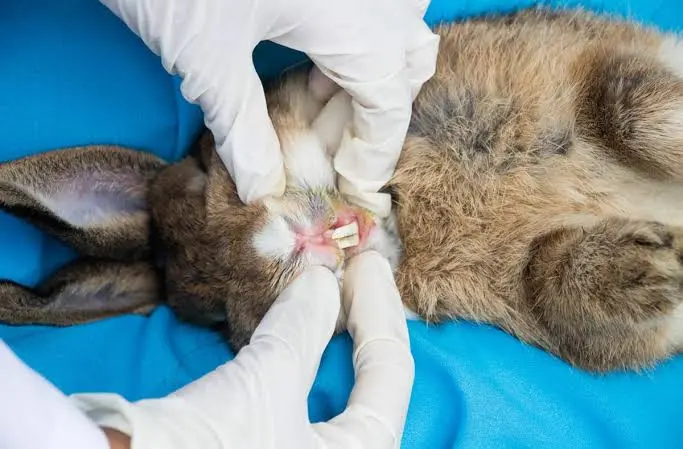
Rabbit with dental problems showing signs including drooling, food dropping, and reduced appetite

Malocclusion (Molars/Cheek Teeth)

Uneven wear creates sharp spurs that lacerate cheeks and tongue; very painful and common; requires veterinary dental treatment.

Tooth Root Elongation

Overgrown roots extend into the jawbone or nasal cavity; can cause facial swelling, eye issues, and abscess formation.

Dental Abscess

Infection at the tooth root causing firm swelling, pain, and potential draining tracts; requires surgical treatment.

This list represents common dental problems in rabbits but does not constitute a complete diagnosis. Rabbits' teeth grow continuously (1-2 mm per week). Dental disease affects up to 40-60% of pet rabbits and can lead to pain, anorexia, and life-threatening complications. Persistent food dropping, drooling, reduced appetite, or facial swelling require veterinary evaluation. Veterinary AI provides real-time clinical triage tailored to rabbit dental health, helping you distinguish between early signs and emergency conditions requiring prompt veterinary attention with clarity and confidence.

+0
Symptoms analyzed
by pet owners worldwide
+0
Pet owners trusting
AI for their pet's health
0/7
Available anytime
even at 2AM emergencies

Safe Home Care & Monitoring Guidelines

Non-invasive, medically safe measures to support your rabbit and monitor for dental problems

Monitor Eating Behavior

Watch for food dropping, reduced hay/pellet intake, or changes in eating speed; report to your veterinarian

Check for Drooling or Wet Fur

Wet dewlap or chin indicates drooling from oral pain; a common sign of dental disease

Observe Fecal Output

Smaller or fewer pellets indicate reduced food intake; report changes to your veterinarian

Weigh Your Rabbit Daily

Track weight using a kitchen or baby scale; weight loss is a warning sign of reduced food intake

Offer Softened Food

Moisten pellets with water or offer soft greens to make eating easier for a rabbit with dental pain

Do NOT Attempt Home Treatment

Never try to trim, file, or examine your rabbit's teeth without veterinary guidance; this can cause serious injury

These guidelines are supportive measures, not treatment protocols. Dental disease in rabbits requires professional veterinary treatment. If your rabbit stops eating completely, develops facial swelling, or shows signs of severe pain (constant teeth grinding, hunched posture), seek emergency veterinary care immediately. Do not delay seeking professional evaluation.

TESTIMONIALS

OPYNIO Reviews Rabbit Teeth Problems

When Can Veterinary AI Help You and Your Rabbit?

Timely, clinically-grounded support for every stage of your rabbit's dental health assessment

Unsure About Severity?

When you notice changes in your rabbit's eating behavior and need to determine whether it is a dental issue requiring veterinary attention.

Signs of Serious Dental Disease?

If your rabbit shows food dropping, drooling, reduced appetite, weight loss, or facial swelling — these may indicate serious dental disease requiring urgent veterinary care.

Pre-Visit Preparation?

When you need clinically grounded, exportable guidance to maximize the effectiveness of your upcoming exotics veterinary visit; including a structured summary documenting eating behavior, weight changes, and observations.

💡 Never ignore dental signs in your rabbit. Dental disease affects up to 40-60% of pet rabbits and can lead to pain, anorexia, and life-threatening complications. If your rabbit shows food dropping, drooling, or reduced appetite, Veterinary AI provides evidence-based assessment to help you identify urgency and prepare for your veterinary visit.

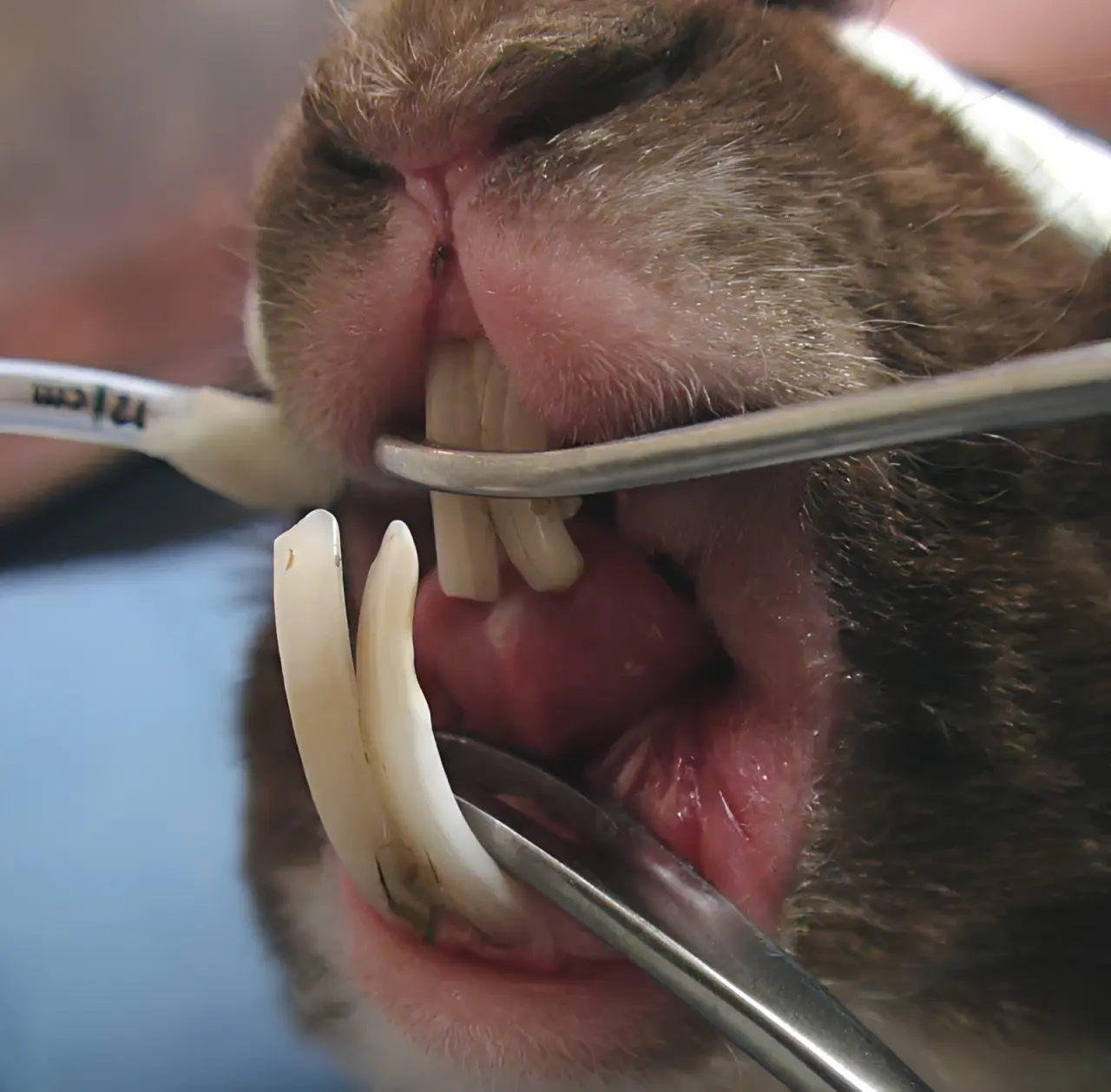
Rabbit with emergency dental problems showing facial swelling and pain needing immediate veterinary care

When to Seek Immediate Emergency Care

Red flags that require urgent veterinary attention; and how Veterinary AI supports each critical decision when your rabbit has dental problems.

Complete Anorexia (>12 Hours)

Instant Risk Scoring flags severe dental pain and risk of GI stasis; emergency intervention required

Facial Swelling or Bulging Eye

Risk Scoring identifies dental abscess or tooth root elongation; immediate veterinary care required

Food Dropping with Weight Loss

24/7 Smart Triage detects progressive dental disease; escalate to ER immediately

Drooling (Wet Dewlap)

Urgency Assessment identifies oral pain and reduced intake; immediate vet visit required

Teeth Grinding or Hunched Posture

Exportable Report documents pain signs for your emergency vet; go immediately

Abscess with Draining Tract

Exportable Report captures history for your emergency veterinarian; seek care now

🚨 These signs require immediate in-person emergency veterinary care. Veterinary AI is not a substitute for emergency medical attention. If your rabbit shows any of these red flags with dental problems, do not delay; seek emergency care immediately.

Monthly

Flexible, cancel anytime

€9.99 /month
AI symptom assessment
Emergency guidance 24/7
Preventive care reminders
Wellness monitoring
Breed-specific health tips
Unlimited conversations
Start monthly plan
SAVE 24%

Annual

Best value for your pet

€90.99 /year

Just €7.58/month

AI symptom assessment
Emergency guidance 24/7
Preventive care reminders
Wellness monitoring
Breed-specific health tips
Priority support
Start annual plan
Veterinary AI provides clinical triage support and educational information; it does not constitute a diagnosis, treatment plan, or substitute for professional, in-person veterinary care.

By submitting you agree to our Privacy Policy

Veterinary AI

AI-Powered Pet Care 24/7

More and more pet owners trust Veterinary AI for their pet's health. Get instant AI consultations, track medical records, set vaccine reminders, and access expert guidance — all from your phone. No waiting rooms, no appointments. Start now.
FAQ

Frequently Asked
Questions

Everything you need to know about rabbit teeth problems and how Veterinary AI can help. Can't find what you're looking for?

Start Rabbit Dental Assessment

Why do rabbits have so many teeth problems?

Rabbits' teeth grow continuously (1-2 mm per week). Without proper wear from hay and fibrous foods, teeth overgrow and cause malocclusion and spurs.

What are signs of dental pain in rabbits?

Signs include reduced appetite, food dropping, drooling, teeth grinding, weight loss, facial swelling, and reduced fecal output.

How are rabbit dental problems treated?

Treatment includes dental trimming/burring under anesthesia, correction of malocclusion, abscess treatment, and dietary modification.

Can rabbit teeth problems be prevented?

Yes, provide unlimited high-quality grass hay, appropriate chew toys, regular dental check-ups, and a balanced diet.

When is a rabbit teeth problem an emergency?

Seek immediate care if your rabbit stops eating completely, has facial swelling, bulging eyes, or shows signs of severe pain.