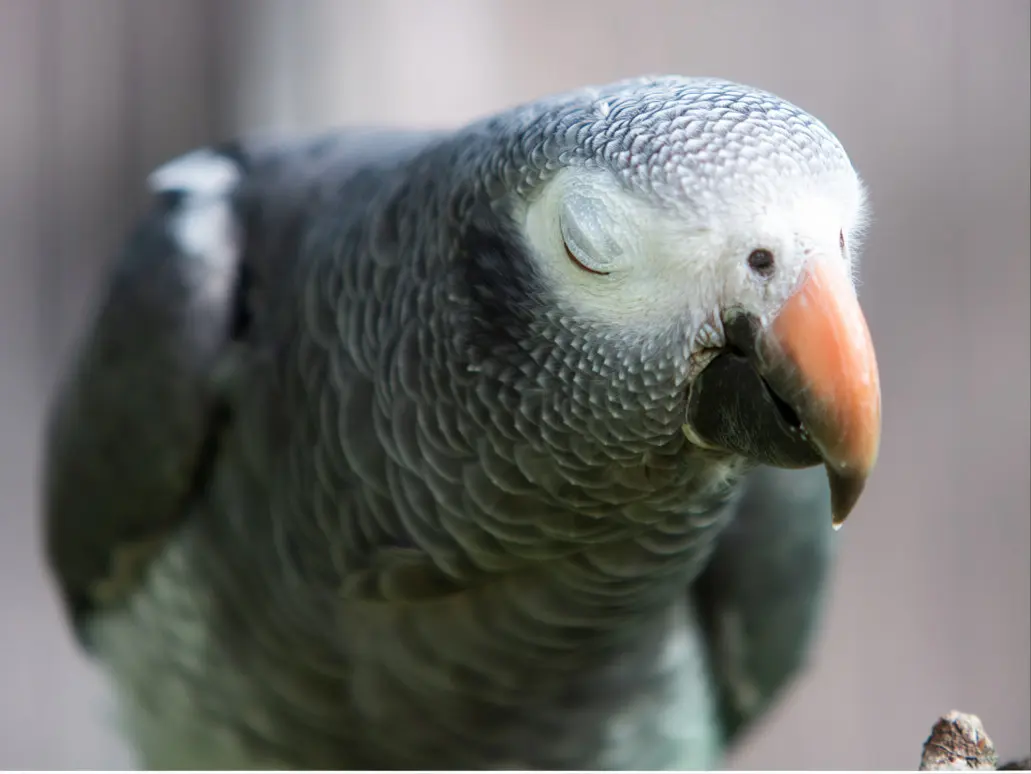
Get objective, clinically grounded triage support for your bird’s respiratory distress. Veterinary AI helps you assess severity and prepares you for your in-person avian veterinary consultation.
Birds have a unique respiratory system with air sacs that allow continuous airflow through the lungs. Breathing problems, including labored breathing, tail bobbing, open-mouth breathing, or wheezing, are serious clinical signs indicating respiratory infection, air sac disease, or systemic illness requiring urgent evaluation.
While mild increased respiratory rate may occur after exercise, persistent or progressive breathing difficulty is a medical emergency. Birds compensate poorly for respiratory compromise; distinguishing between transient and pathological respiratory distress is critical for survival.
Respiratory distress in birds arises from various triggers, from mild to life-threatening.
Bacterial, viral, or fungal (aspergillosis) infections affecting lungs or air sacs; common in all bird species.
Strong odors (Teflon fumes, smoke, aerosols), dust, or poor ventilation causing respiratory irritation.
Inhalation of seeds or small objects obstructing the trachea or respiratory tract.
Infection or trauma to air sacs causing respiratory compromise and abnormal breathing.
Heart failure or pericardial effusion causing respiratory distress and exercise intolerance.
Hepatic, renal, or metabolic disorders; heavy metal toxicosis (zinc, lead) causing respiratory signs.
✦ This list represents common causes of respiratory distress in birds but does not constitute a complete diagnosis. Birds have a unique respiratory system with air sacs; breathing problems can indicate serious conditions including infection, environmental toxicity, foreign body aspiration, or systemic disease. Respiratory distress in birds is a medical emergency requiring immediate avian veterinary evaluation. Veterinary AI provides real-time clinical triage tailored to your bird's breathing problems, helping you determine urgency and prepare for your veterinary consultation with clarity and confidence.
Follow these steps to monitor your bird's breathing while arranging veterinary evaluation.
Monitor Respiratory Rate and Effort
Count breaths per minute; note tail bobbing, open-mouth breathing, or wheezing
Check Gums and Mucous Membranes
Look for pale or bluish (cyanotic) mucous membranes indicating poor oxygenation
Reduce Environmental Irritants
Remove sources of smoke, aerosols, or strong odors; ensure good ventilation
Keep Bird Warm and Stress-Free
Provide a warm environment (25-28°C) and reduce handling and stress
Do NOT Administer Medications
Never give respiratory medications without veterinary prescription
Prepare for Veterinary Transport
Place the bird in a warm, secure carrier with good ventilation; transport to the avian vet immediately
✦ These monitoring steps do not replace veterinary diagnosis. Respiratory distress in birds is a medical emergency that can rapidly progress to respiratory failure and death. If your bird shows labored breathing, tail bobbing, open-mouth breathing, or cyanosis, seek avian veterinary care immediately. Veterinary AI provides real-time guidance to help you document symptoms and determine urgency.
TESTIMONIALS
Timely, clinically-grounded support for every stage of your guinea pig's lump assessment
When your guinea pig develops a new lump and you need guidance on how urgent this is and whether it requires immediate exotic veterinary intervention.
If the lump is growing, changing in texture, or accompanied by signs of illness (weight loss, lethargy, anorexia) — these may indicate serious underlying pathology requiring urgent exotic veterinary care.
When you need clinically grounded, exportable guidance to maximize the effectiveness of your upcoming exotic veterinary visit; including a structured summary documenting location, size, texture, growth timeline, and observations.
💡 Always trust your instincts. If you are concerned about your guinea pig's new lump, Veterinary AI provides immediate, evidence-based assessment; but never delays seeking veterinary care when a lump is rapidly growing, ulcerating, bleeding, or your guinea pig shows weight loss, lethargy, or anorexia. Any new lump requires professional evaluation. Seek immediate exotic veterinary care if the lump is growing rapidly or your guinea pig shows signs of systemic illness.
Bird respiratory distress is a life-threatening emergency. These warning signs require prompt avian veterinary attention, supported by Veterinary AI's core tools when your bird is having breathing problems.
Open-mouth breathing or severe labored effort is flagged as a critical emergency; this may indicate severe respiratory distress, air sac disease, or systemic illness requiring immediate avian veterinary intervention.
Cyanosis (bluish mucous membranes), weakness, or collapse signals severe hypoxia or systemic failure requiring immediate emergency evaluation and oxygen therapy.
Persistent tail bobbing, lethargy, or fluffed feathers requires organized data for your emergency avian vet; our report consolidates respiratory rate, effort, and clinical history for rapid evaluation.
Sudden onset of respiratory distress triggers an alert; this may indicate foreign body aspiration, toxicity, or acute respiratory infection requiring immediate veterinary assessment.
Tail bobbing with lethargy or fluffed feathers signals severe systemic illness or respiratory compromise requiring immediate veterinary evaluation and supportive care.
Respiratory signs with anorexia or weight loss requires comprehensive data; our summary documents all observations to help your avian veterinarian expedite care and determine the underlying cause.
🚨 Any of these signs? Seek emergency care NOW.
Veterinary AI prepares a clinical summary for your emergency avian veterinarian while you prepare, but prompt emergency attention is essential for birds with open-mouth breathing, tail bobbing, cyanosis, lethargy, fluffed feathers, or signs of respiratory distress. Birds have minimal respiratory reserve and deteriorate rapidly. Ensure warmth and minimal handling while transporting to the nearest avian veterinary hospital. Do not delay seeking care.
Flexible, cancel anytime
Best value for your pet
Just €7.58/month
Thanks for your interest in Veterinary AI. We'll notify you as soon as your AI consultation is ready. Check your email for confirmation.
More and more pet owners trust Veterinary AI for their pet's health. Get instant AI consultations, track medical records, set vaccine reminders, and access expert guidance — all from your phone. No waiting rooms, no appointments. Start now.
Everything you need to know about bird breathing problems and how Veterinary AI can help. Can't find what you're looking for?
Start Respiratory AssessmentNormal respiratory rates vary by species but are generally 15-40 breaths per minute. Persistent rates above this indicate respiratory distress.
Open-mouth breathing indicates severe respiratory distress, heat stress, or serious illness requiring immediate avian veterinary attention.
Yes. Air sac mites can cause respiratory distress, particularly in budgies and cockatiels, requiring veterinary treatment.
Reduce stress, provide a warm, quiet environment, and transport to an avian veterinarian immediately.
Any bird with open-mouth breathing, tail bobbing, cyanosis, or labored effort requires immediate avian veterinary care.