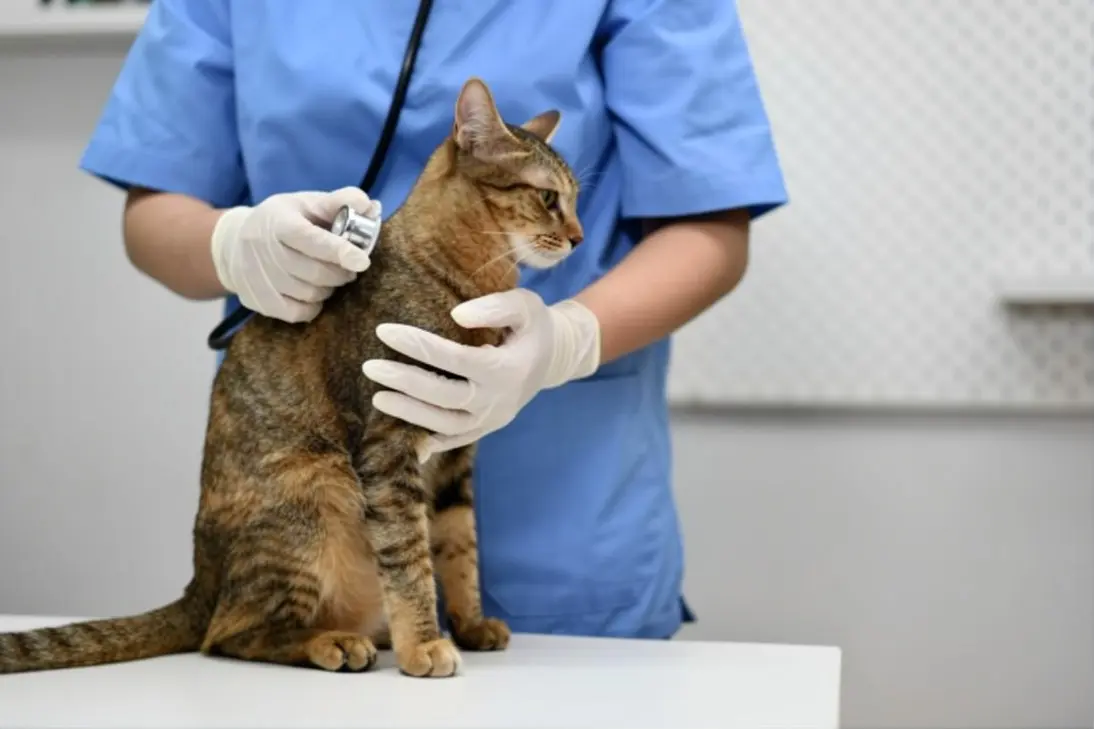
Your cat’s labored breathing requires careful assessment. Veterinary AI helps you evaluate severity, monitor safely, and prepare for your vet visit with objective clinical data.
Heavy breathing in cats (tachypnea or dyspnea) often signals underlying physiological stress, pain, cardiac issues, or pulmonary compromise. Unlike dogs, cats rarely pant from heat or excitement alone; persistent heavy breathing warrants clinical attention.
While your instinct may be to panic, remember that objective triage is your most reliable tool right now. Veterinary AI helps you distinguish between transient respiratory changes and genuine emergencies, giving you clarity when you need it most.
Understanding these potential causes helps you identify respiratory concerns early and seek appropriate veterinary care.
Heat Exposure or Overheating
Cats regulate temperature poorly; heavy breathing may indicate environmental heat stress
Anxiety or Stress Response
Environmental changes or loud noises can temporarily elevate your cat's respiratory rate
Feline Asthma or Allergic Reaction
Airway constriction causes labored breathing; often accompanied by wheezing or coughing
Heart Disease (Cardiomyopathy)
Hypertrophic cardiomyopathy is common in cats and frequently presents with respiratory distress
Respiratory Infection (Upper or Lower)
Viral or bacterial infections cause nasal congestion and labored breathing patterns
Pleural Effusion or Pulmonary Edema
Fluid accumulation around lungs or within tissues demands immediate veterinary evaluation
✦ If your cat shows heavy breathing with lethargy or changes in behavior, early detection is critical. Veterinary AI provides real-time clinical triage tailored to feline-specific risks; helping you distinguish between benign causes and conditions requiring prompt veterinary evaluation with clarity and confidence.
Non-invasive, medically safe measures to support your cat and monitor for early respiratory changes
Respiratory Rate Monitoring
Count breaths per minute while your cat sleeps; normal is 20-30 breaths per minute; document any rate changes
Gum Color and Mucous Membrane Check
Healthy gums are pink; pale, grey, blue, or brick-red color indicates oxygenation compromise requiring urgent care
Stress Reduction and Environmental Calming
Minimize noise, reduce handling, and create a quiet resting space; stress exacerbates respiratory distress
Hydration and Appetite Monitoring
Check skin turgor (scruff pinch) and track food/water intake; decreased consumption may indicate systemic illness
Breathing Pattern Documentation
Note open-mouth breathing, abdominal effort, noisy breathing, or coughing; include timing and duration
Emergency Preparedness and Clinical Summary
Have emergency vet contact ready; prepare detailed notes on respiratory rate, gum color, and symptom timeline
⚠ These are supportive measures only. They do not replace professional veterinary assessment or treatment. Always consult your veterinarian for definitive guidance.
TESTIMONIALS
Timely, clinically-grounded support for every stage of your cat's respiratory assessment
When your cat is breathing heavy and you cannot determine whether it is a stress response or a sign of cardiac or respiratory compromise requiring urgent care.
If your cat shows heavy breathing lasting more than 30 minutes at rest, lethargy, hiding, pale gums, or open-mouth breathing; these may indicate cardiac disease or pulmonary compromise.
When you need clinically-grounded guidance while preparing the exact history (respiratory rate, gum color, onset timing, and all clinical observations) your veterinarian needs for rapid evaluation.
💡 Always trust your instincts. If you are concerned about your cat's breathing, Veterinary AI provides immediate, evidence-based assessment; but never delays seeking emergency care when your cat shows blue gums, open-mouth breathing, or signs of respiratory distress.
These warning signs require urgent action, supported by Veterinary AI's core tools.
Open-mouth breathing or panting in cats (unlike dogs) is flagged as a critical emergency; this may indicate severe respiratory or cardiac compromise requiring immediate intervention.
Respiratory rate exceeding 60 breaths per minute at rest triggers high-risk scoring; this indicates significant respiratory distress requiring emergency evaluation.
Blue, grey, or pale mucous membranes (gums) indicate severe oxygenation failure; our system alerts you to seek emergency care without delay.
Sudden onset of heavy breathing with collapse or inability to stand signals a life-threatening event; immediate emergency transport is essential.
Chronic heavy breathing with concurrent weight loss or lethargy requires organized data for your vet; our report consolidates all symptoms and timeline.
If your cat has a known heart or respiratory condition and heavy breathing worsens; our summary helps your vet adjust treatment plans rapidly.
Any of these signs? Do not wait.
Veterinary AI prepares a clinical summary for your veterinarian while you travel, but immediate emergency veterinary attention is essential for severe respiratory distress in cats.
Flexible, cancel anytime
Best value for your pet
Just €7.58/month
Thanks for your interest in Veterinary AI. We'll notify you as soon as your AI consultation is ready. Check your email for confirmation.
More and more pet owners trust Veterinary AI for their pet's health. Get instant AI consultations, track medical records, set vaccine reminders, and access expert guidance — all from your phone. No waiting rooms, no appointments. Start now.
Everything you need to know about cat heavy breathing and how Veterinary AI can help. Can't find what you're looking for?
Start Symptom AssessmentResting respiratory rates above 30 breaths per minute may indicate pain, fever, heart disease, or respiratory compromise. Veterinary evaluation is recommended.
Yes, acute stress can temporarily elevate breathing rate. However, if heavy breathing persists beyond 15-20 minutes after stressor removal, seek veterinary advice.
No. Cats rarely pant for thermoregulation. Panting or open-mouth breathing in cats is almost always a clinical red flag requiring urgent assessment.
This combination may suggest feline asthma, bronchitis, heartworm disease, or congestive heart failure. Prompt veterinary evaluation is essential.
Signs include open-mouth breathing, exaggerated abdominal effort, blue gums, noisy breathing, and inability to settle. These require emergency care.