Cat Sneezing A Lot: Clinical Triage Support

AI-powered clinical assessment helps you evaluate your cat’s frequent sneezing objectively, providing structured guidance while you prepare for your veterinary consultation.

VETERINARY AI FOR PET OWNERS

Understanding Your Cat's Frequent Sneezing

Frequent sneezing in cats is a common but potentially significant respiratory sign that can range from mild environmental irritation to indicators of serious upper respiratory disease. Feline anatomy makes them susceptible to nasal issues, with conditions including viral infections, allergies, and foreign bodies.

While occasional sneezing may be normal, persistent or frequent sneezing warrants careful evaluation. Objective monitoring helps distinguish between benign causes and conditions requiring medical intervention. Veterinary AI provides structured clinical assessment to support your observations and facilitate productive veterinary consultations.

Veterinary AI

Assess your cat's frequent sneezing with clinical precision

Common Causes of Cat Sneezing A Lot

Understanding these potential causes helps you identify frequent sneezing concerns early and seek appropriate veterinary care.

Environmental Irritants

Dust, smoke, perfumes, or cleaning products irritate nasal passages causing sneezing

Allergies

Pollen, mold, or food allergies cause nasal inflammation and frequent sneezing

Upper Respiratory Infection

Feline herpesvirus or calicivirus cause sneezing, discharge, and ocular symptoms

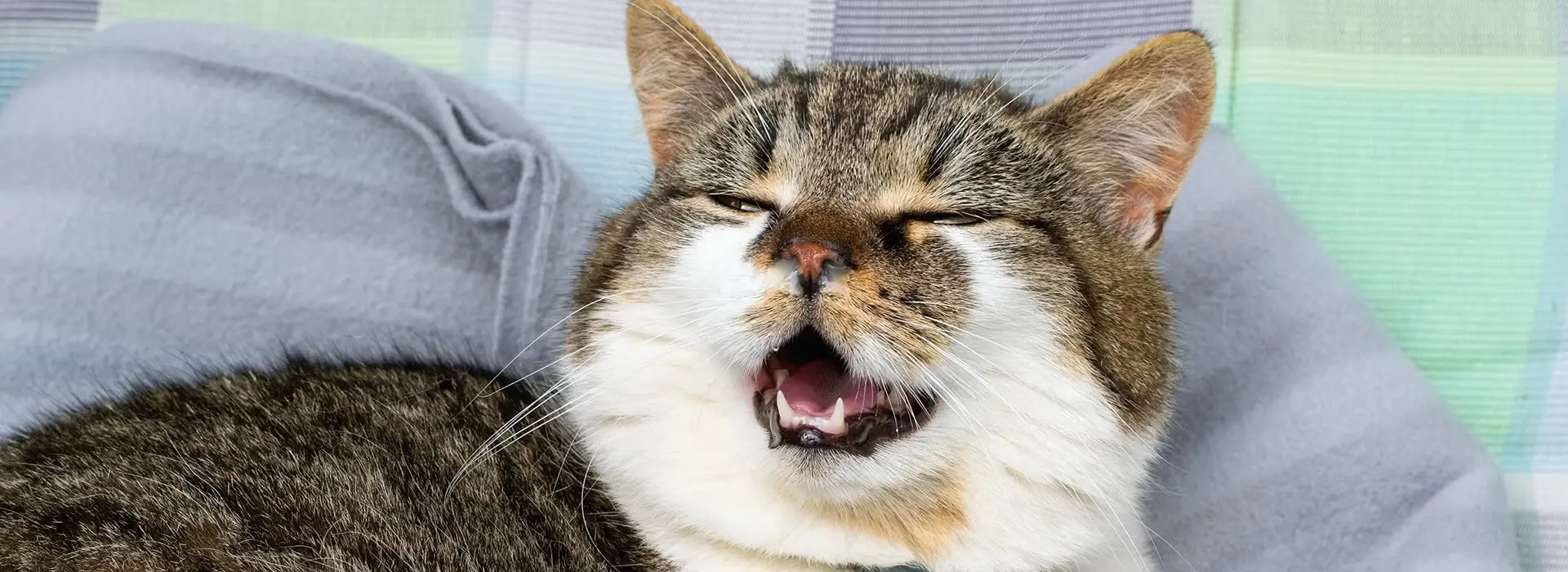
Cat sneezing a lot: clinical assessment and triage support

Foreign Body

Awns, grass seeds, or small objects lodged in the nasal cavity cause persistent sneezing

Nasal Polyps or Tumors

Abnormal growths in the nasal passages cause chronic sneezing; more common in older cats

Dental Disease

Tooth root infections can extend to nasal passages causing sneezing and nasal discharge

If your cat shows frequent sneezing with changes in behavior or appetite, early detection is critical. Veterinary AI provides real-time clinical triage tailored to feline-specific risks; helping you distinguish between benign irritation and conditions requiring prompt veterinary evaluation with clarity and confidence.

+0
Symptoms analyzed
by pet owners worldwide
+0
Pet owners trusting
AI for their pet's health
0/7
Available anytime
even at 2AM emergencies

Safe Home Care & Monitoring Guidelines

Non-invasive, medically safe measures to support your cat and monitor for early sneezing-related changes

Sneezing Frequency Tracking

Record how often sneezing occurs and any patterns; note if triggered by specific activities or times of day

Nasal Discharge Observation

Note color and consistency (clear, yellow, green, or bloody); changes may indicate infection progression

Breathing Pattern Monitoring

Watch for open-mouth breathing, increased effort, or rapid breathing; these indicate respiratory distress

Eye Assessment

Check for redness, discharge, squinting, or third eyelid protrusion; these may indicate concurrent infection

Appetite and Hydration Tracking

Monitor food and water intake; decreased appetite may indicate worsening illness requiring attention

Environmental Management

Reduce dust, avoid strong odors, use air purifiers, and maintain humidity to soothe nasal passages

These are supportive measures only. They do not replace professional veterinary assessment or treatment. Always consult your veterinarian for definitive guidance.

TESTIMONIALS

OPYNIO Reviews Cat Sneezing A Lot

When Can Veterinary AI Help You and Your Cat?

Timely, clinically-grounded support for every stage of your cat's frequent sneezing assessment

Unsure About Severity?

When your cat sneezes frequently and you cannot determine whether it is allergies or a respiratory infection requiring veterinary attention.

Persistent or Escalating?

If your cat shows persistent sneezing with colored discharge, decreased appetite, or lethargy; these may indicate upper respiratory infection or pneumonia.

Pre-Visit Preparation?

When you need clinically-grounded guidance while preparing the exact history (frequency, discharge, associated symptoms, and all clinical observations) your veterinarian needs for respiratory evaluation.

💡 Always trust your instincts. If you're concerned about your cat's frequent sneezing, Veterinary AI provides immediate, evidence-based assessment; but never delays seeking emergency care when your cat shows difficulty breathing, open-mouth breathing, or severe lethargy.

When to Seek Immediate Emergency Care

These warning signs require urgent action, supported by Veterinary AI's core tools.

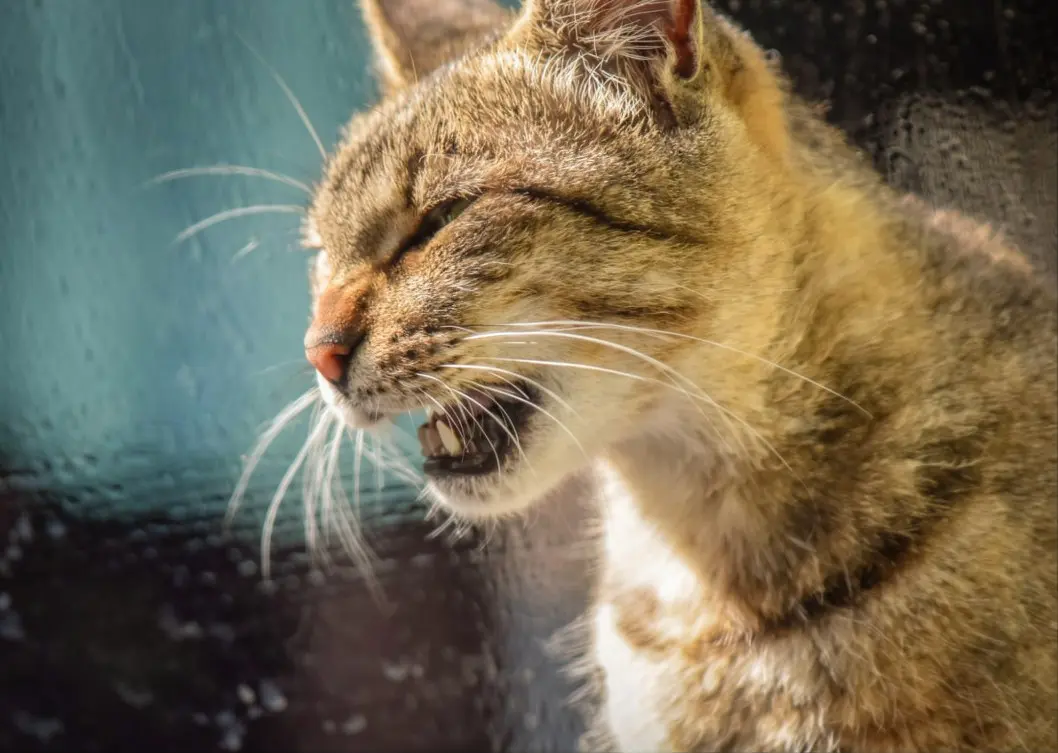
Emergency signs of severe respiratory issues in cats requiring immediate veterinary care
⚠️ Instant Symptom Analysis & Risk Scoring

Open-mouth breathing or difficulty breathing is flagged as a critical emergency; this indicates severe respiratory compromise requiring immediate intervention.

🩸 Instant Symptom Analysis & Risk Scoring

Bloody nasal discharge triggers high-risk scoring; this may indicate nasal tumor, severe infection, or foreign body requiring emergency evaluation.

🔄 24/7 Smart Triage & Urgency Assessment

Signs of severe lethargy or decreased consciousness with sneezing elevate urgency to critical; this may indicate systemic infection or pneumonia.

🫨 24/7 Smart Triage & Urgency Assessment

Complete appetite loss with respiratory signs is assessed as urgent; this may indicate severe infection requiring emergency intervention.

📄 Exportable Clinical Summary Report

History of toxin exposure or foreign body inhalation is documented for rapid handover; this history is critical for emergency evaluation.

📋 Exportable Clinical Summary Report

Any acute respiratory signs, appetite changes, or systemic symptoms are compiled into a vet-ready report; this ensures comprehensive handover for appropriate emergency care.

Any of these signs? Do not wait.

Veterinary AI prepares a clinical summary for your veterinarian while you travel, but immediate emergency veterinary attention is essential for severe cat respiratory concerns.

Start Symptom Assessment

Monthly

Flexible, cancel anytime

€9.99 /month
AI symptom assessment
Emergency guidance 24/7
Preventive care reminders
Wellness monitoring
Breed-specific health tips
Unlimited conversations
Start monthly plan
SAVE 24%

Annual

Best value for your pet

€90.99 /year

Just €7.58/month

AI symptom assessment
Emergency guidance 24/7
Preventive care reminders
Wellness monitoring
Breed-specific health tips
Priority support
Start annual plan
Veterinary AI provides clinical triage support and educational information; it does not constitute a diagnosis, treatment plan, or substitute for professional, in-person veterinary care.

By submitting you agree to our Privacy Policy

Veterinary AI

AI-Powered Pet Care 24/7

More and more pet owners trust Veterinary AI for their pet's health. Get instant AI consultations, track medical records, set vaccine reminders, and access expert guidance — all from your phone. No waiting rooms, no appointments. Start now.
FAQ

Frequently Asked
Questions

Everything you need to know about cat sneezing a lot and how Veterinary AI can help. Can't find what you're looking for?

Start Symptom Assessment

Why is my cat sneezing so much?

Causes include upper respiratory infections, allergies, environmental irritants, foreign bodies, or dental disease.

When should I take my cat to the vet for sneezing?

Seek veterinary care if sneezing persists over 24 hours, has colored discharge, or is accompanied by lethargy or appetite loss.

Can allergies cause sneezing in cats?

Yes, environmental allergies (pollen, dust, mold) can cause sneezing. However, infections are more common causes.

Can cat sneezing be caused by a foreign body?

Yes, inhaled objects (grass seeds, small toys) can lodge in the nasal passages causing persistent sneezing.

When is cat sneezing an emergency?

Emergency if sneezing is accompanied by difficulty breathing, bloody discharge, severe lethargy, or open-mouth breathing.