
Understand your cat’s oncologic signs with AI-assisted clinical reasoning. Get objective, evidence-based triage guidance to help you assess urgency and prepare meaningfully for your in-person veterinary consultation.
Feline cancer encompasses a diverse group of diseases characterized by uncontrolled cellular proliferation. Clinical manifestations (palpable masses, unexplained weight loss, chronic non-healing wounds, or altered appetite) reflect the local and systemic effects of neoplastic growth; early recognition significantly influences treatment options and prognosis.
While these symptoms are concerning, many masses are benign and treatable. Objective, systematic triage empowers you to distinguish between benign growths and potentially malignant conditions. Veterinary AI provides structured guidance that supports, not replaces, your veterinarian’s diagnostic expertise.
Feline oncologic symptoms originate from multiple clinical pathways, listed from mild to severe.
Benign Lipomas (Fatty Tumors)
Common, slow-growing, non-cancerous masses; usually soft, movable, and not locally aggressive.
Inflammatory or Infectious Lesions
Abscesses, cysts, or granulomas can mimic tumors; often respond to appropriate medical treatment.
Basal Cell Tumors
Slow-growing, locally invasive but rarely metastatic; common in older cats with good prognosis after surgical removal.
Squamous Cell Carcinoma (SCC)
Aggressive skin cancer linked to sun exposure; common on ears, nose, and eyelids; requires prompt treatment.
Mammary Gland Tumors
Common in unspayed females; approximately 85% are malignant; early spaying significantly reduces risk.
Lymphoma (Lymphosarcoma)
One of the most common feline cancers; can affect lymph nodes, GI tract, or other organs; requires systemic therapy.
✦ This list represents common differentials but does not constitute a complete diagnosis. Persistent oncologic symptoms (growing masses, unexplained weight loss, decreased appetite, pain) warrant veterinary evaluation to rule out both benign and malignant pathology. Veterinary AI provides real-time clinical triage tailored to feline-specific cancer risks, helping you distinguish between manageable concerns and conditions requiring prompt veterinary attention with clarity and confidence.
Non-invasive, medically safe measures to support your cat and monitor for oncologic changes
Mass and Lump Monitoring
Document any lumps or masses for changes in size, shape, color, or texture; photograph with a reference object for comparison
Weekly Weight Monitoring
Weigh your cat weekly using a baby scale if available; progressive weight loss exceeding 1-2% per week warrants prompt veterinary attention
Appetite and Food Intake Tracking
Monitor daily food consumption; document any decrease, refusal to eat, or difficulty chewing/swallowing
Energy Level and Activity Observation
Observe for lethargy, reluctance to move, or changes in normal behavior patterns; note any progressive deterioration
Pain and Comfort Assessment
Assess for signs of pain: flinching, vocalization, hiding, aggression, or reluctance to be touched in specific areas
Clinical Summary Preparation
Document mass characteristics, weight changes, appetite, energy level, pain signs, and timeline of all observed symptoms
⚠ These guidelines are supportive measures only. They do not treat oncologic conditions or replace professional veterinary assessment. Any cat showing severe pain, difficulty breathing, bleeding, rapid enlargement of a mass, or sudden collapse requires immediate emergency care.
TESTIMONIALS
Timely, clinically-grounded support for every stage of your cat's oncologic assessment
When your cat shows cancer symptoms (growing lump, unexplained weight loss, decreased appetite, or pain) and you cannot determine whether it signals a benign lipoma or a serious condition like lymphoma or squamous cell carcinoma requiring immediate veterinary attention.
If your cat's lump continues to grow, weight loss or decreased appetite persists, or pain worsens, or if your cat develops bleeding from a mass, difficulty breathing, or rapid deterioration; these may indicate progressive malignancy requiring urgent care.
When you need clinically grounded, exportable guidance to maximize the effectiveness of your upcoming veterinary consultation; including a structured clinical summary documenting mass characteristics, weight changes, appetite, energy level, pain signs, and a timeline of observed symptoms.
💡 Always trust your instincts. If you are concerned about your cat's cancer risk, Veterinary AI provides immediate, evidence-based assessment; but never delays seeking emergency care when your cat shows severe pain, difficulty breathing, bleeding from a mass, rapid enlargement, or sudden collapse.
These warning signs require urgent action, supported by Veterinary AI's core tools when your cat shows cancer symptoms and related signs.
Bleeding or hemorrhage from a mass is flagged as a critical emergency; this may indicate tumor erosion into blood vessels, ulceration, or coagulopathy requiring immediate intervention.
Difficulty breathing (dyspnea) or rapid, labored breathing triggers a critical alert; this indicates respiratory compromise associated with thoracic masses, pulmonary metastasis, or pleural effusion requiring immediate evaluation.
Severe pain or sudden deterioration with inability to move signals critical decompensation; this may indicate bone metastasis, spinal cord compression, or tumor rupture requiring immediate life-saving care.
Rapid enlargement of a mass with ulceration or infection indicates aggressive tumor growth or secondary infection; urgent evaluation for potential surgical or medical intervention is essential.
Progressive weakness or collapse requires organized data for your vet; our report consolidates mass characteristics, weight changes, appetite history, and clinical timeline for rapid diagnostic evaluation.
Signs of systemic illness (fever, vomiting, diarrhea, jaundice) require comprehensive data; our summary documents all observed changes and clinical history to help your emergency veterinarian expedite triage.
Any of these signs? Do not wait.
Veterinary AI prepares a clinical summary for your veterinarian while you travel, but immediate emergency veterinary attention is essential for bleeding from a mass, difficulty breathing, severe pain, rapid mass enlargement, collapse, or signs of systemic illness in cats.
Flexible, cancel anytime
Best value for your pet
Just €7.58/month
Thanks for your interest in Veterinary AI. We'll notify you as soon as your AI consultation is ready. Check your email for confirmation.
More and more pet owners trust Veterinary AI for their pet's health. Get instant AI consultations, track medical records, set vaccine reminders, and access expert guidance — all from your phone. No waiting rooms, no appointments. Start now.
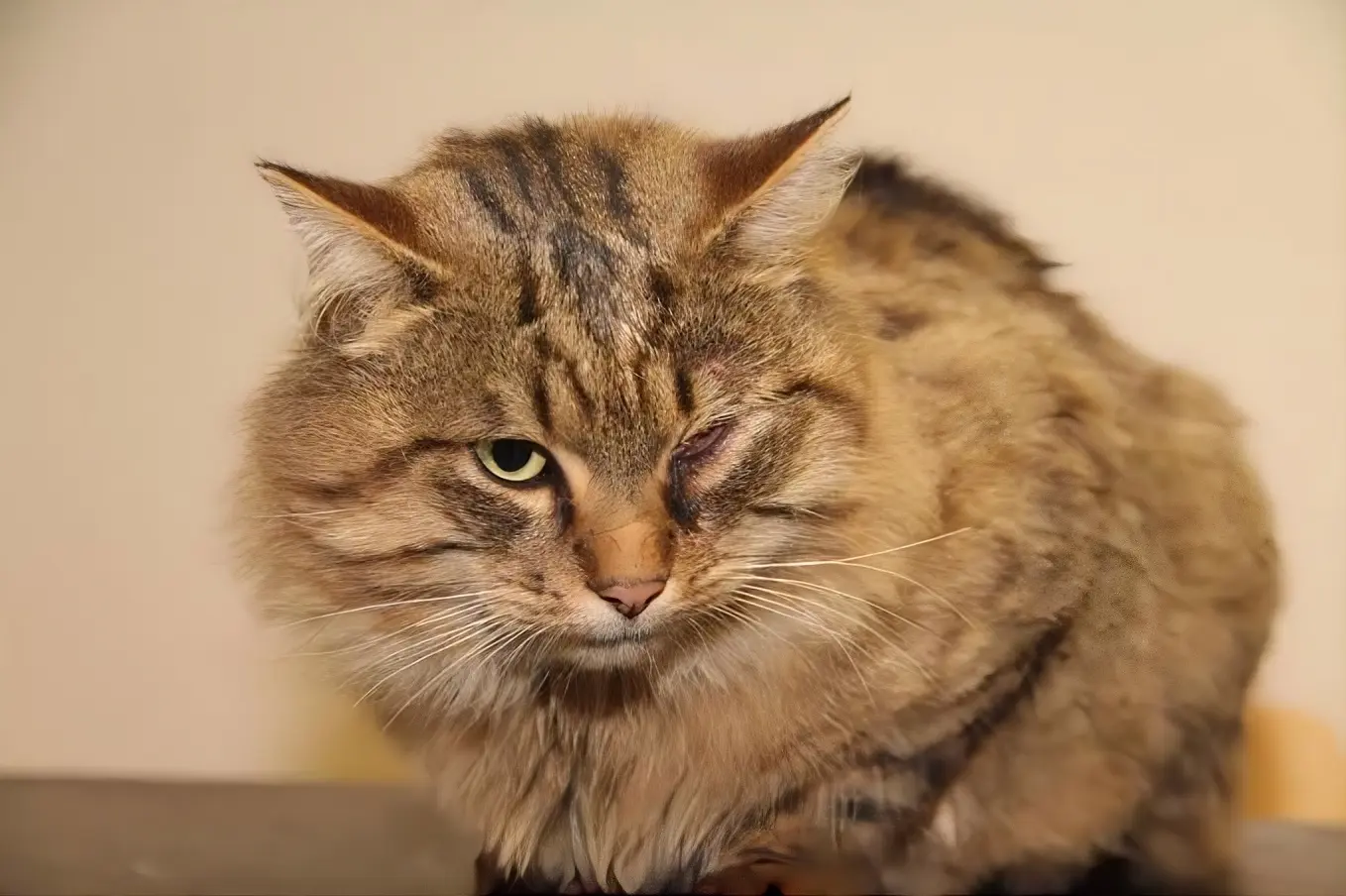
Everything you need to know about cat cancer symptoms and how Veterinary AI can help. Can't find what you're looking for?
Start Cancer Symptom AssessmentEarly signs include new or growing lumps, unexplained weight loss, decreased appetite, lethargy, non-healing wounds, or changes in bathroom habits. Any persistent change warrants veterinary evaluation.
No, many lumps are benign (lipomas, cysts, inflammatory lesions). However, any new or growing mass should be evaluated by a veterinarian to rule out malignancy.
Lymphoma is the most common feline cancer, followed by squamous cell carcinoma and mammary gland tumors (in unspayed females). Early detection and treatment improve outcomes.
Yes, treatment options include surgical removal, chemotherapy, radiation therapy, and palliative care. The best approach depends on cancer type, stage, and your cat's overall health.
Cancer itself may not always be painful, but associated conditions (tumor invasion, nerve compression, bone involvement, or inflammation) can cause significant discomfort. Pain management is an essential part of oncologic care.