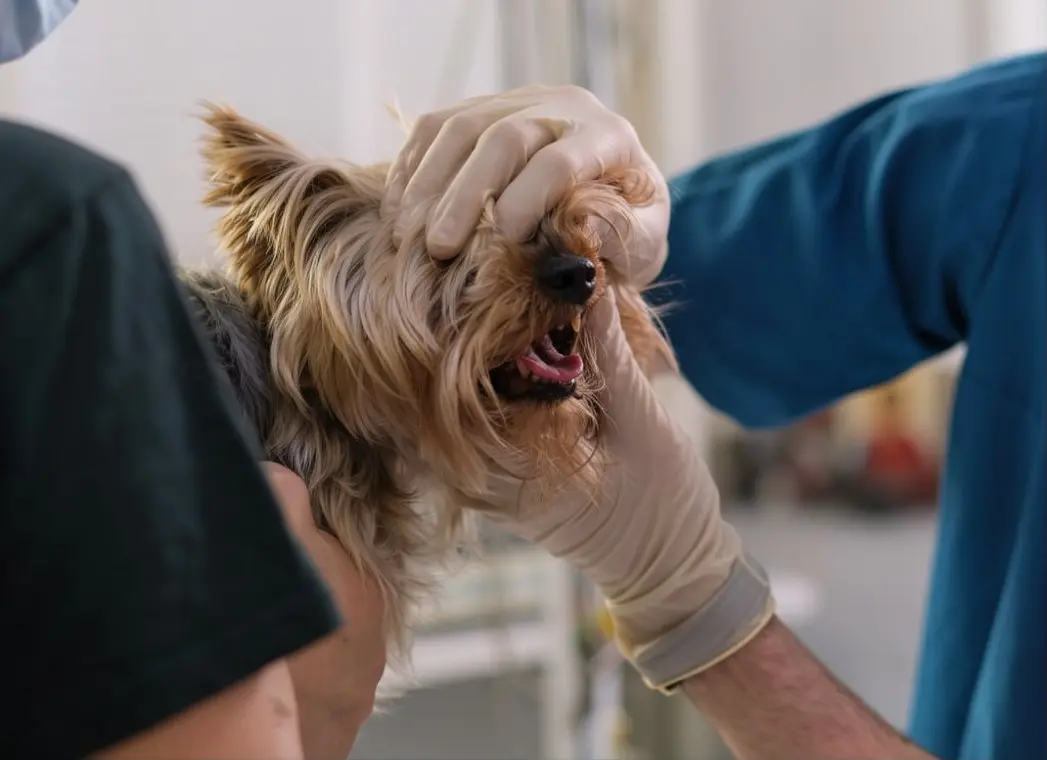
Understand the clinical significance of sudden aggression with AI-driven triage support. Evidence-based guidance to assess urgency before your veterinary visit.
Sudden aggression in dogs is a significant behavioral change that may indicate underlying medical conditions, pain, fear, or neurological dysfunction requiring thorough evaluation.
While aggressive behavior is alarming, remaining calm and objective is essential. Structured triage helps distinguish between situational triggers and serious underlying conditions requiring immediate veterinary intervention.
Clinical etiologies range from situational triggers to medical and neurological disorders requiring veterinary investigation.
Pain or Injury
Dogs may become aggressive when in pain — especially from hidden injuries or conditions
Fear or Startle Response
Sudden aggression may reflect fear of unfamiliar people, animals, or situations
Resource Guarding
Protective behavior around food, toys, or resting areas — common and manageable
Neurological Dysfunction
Brain disorders or cognitive decline can cause personality changes and aggression
Hormonal Imbalances
Thyroid or adrenal conditions can trigger sudden behavioral changes
Medication Side Effects
Certain medications may cause irritability or aggression as a side effect
✦ If your dog has become suddenly aggressive and you're uncertain about the severity, take informed action. Veterinary AI delivers real-time clinical triage tailored to your pet's specific presentation—helping you distinguish between situational triggers and signs requiring urgent medical or behavioral attention with clarity and confidence.
Practical, medically safe actions to manage and monitor your dog’s sudden aggression.
Prioritize Safety
Keep distance and avoid direct handling if aggression persists — safety is the priority
Observe Without Approaching
Watch for signs of pain, injury, or neurological changes from a safe distance
Document Triggers
Note what happened before each aggressive episode — context is critical for diagnosis
Avoid Punishment
Punishment may worsen fear and escalate aggression — use positive reinforcement
Limit Interactions
Reduce exposure to potential triggers until veterinary evaluation is complete
Maintain Behavior Diary
Record frequency, triggers, and severity patterns for accurate veterinary reporting
TESTIMONIALS
Timely, clinically-grounded support for every stage of your dog’s care journey.
When your dog becomes suddenly aggressive and you're unsure of the cause or severity, Veterinary AI provides evidence-based triage to distinguish situational triggers from signs requiring urgent medical or behavioral evaluation.
If aggression persists, escalates, or is accompanied by signs of pain, confusion, neurological dysfunction, or risk of severe injury, Veterinary AI helps you assess urgency and compile a timeline for your vet.
When you need clinically-grounded guidance to manage the next hours safely while preparing the exact history — triggers, frequency, severity, and associated signs — your vet needs for an informed behavioral or medical consultation.
Red flags that require urgent veterinary attention — and how Veterinary AI supports each critical decision when your dog becomes suddenly aggressive.
Flexible, cancel anytime
Best value for your pet
Just €7.58/month
Veterinary AI provides triage and educational support only. It isn’t a diagnosis or substitute for in-person care. Consult a vet for health concerns or an emergency hospital immediately. Resources: AVMA.
Thanks for your interest in Veterinary AI. We'll notify you as soon as your AI consultation is ready. Check your email for confirmation.
More and more pet owners trust Veterinary AI for their pet's health. Get instant AI consultations, track medical records, set vaccine reminders, and access expert guidance — all from your phone. No waiting rooms, no appointments. Start now.
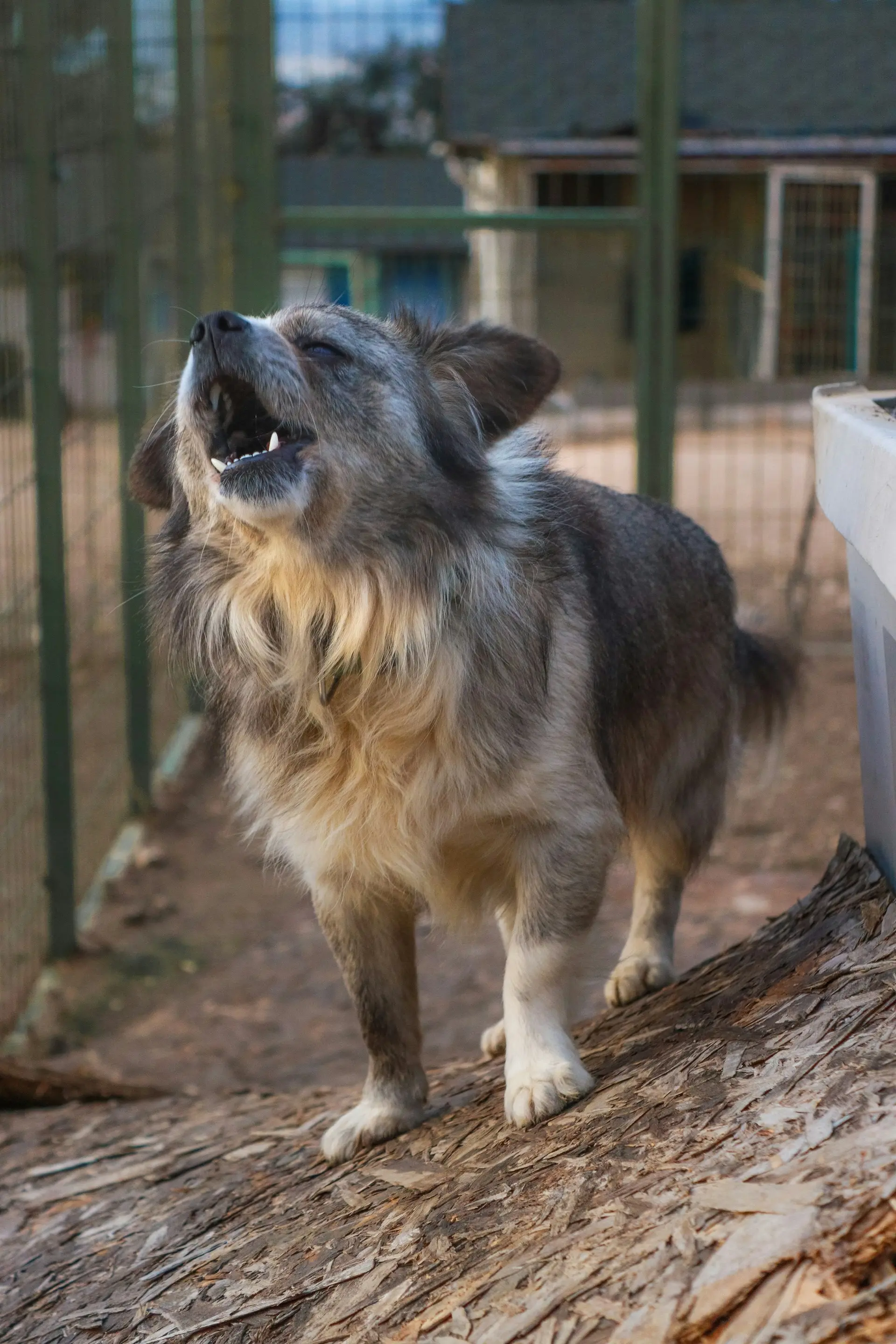
Everything you need to know about sudden aggression in dogs and how Veterinary AI can help. Can't find what you're looking for?
Start Symptom AssessmentSudden aggression can indicate pain, injury, fear, neurological dysfunction, hormonal imbalance, or medication side effects requiring veterinary evaluation.
Yes — if aggression is unpredictable, escalating, or accompanied by neurological signs (circling, confusion), seek immediate veterinary care.
Prioritize safety, avoid direct handling, observe for signs of pain, and contact your veterinarian immediately.
Yes, pain from hidden injuries, arthritis, or dental disease is a common cause of sudden aggression in dogs.
Seek veterinary advice immediately if aggression is new, severe, escalating, or accompanied by signs of pain or neurological dysfunction.