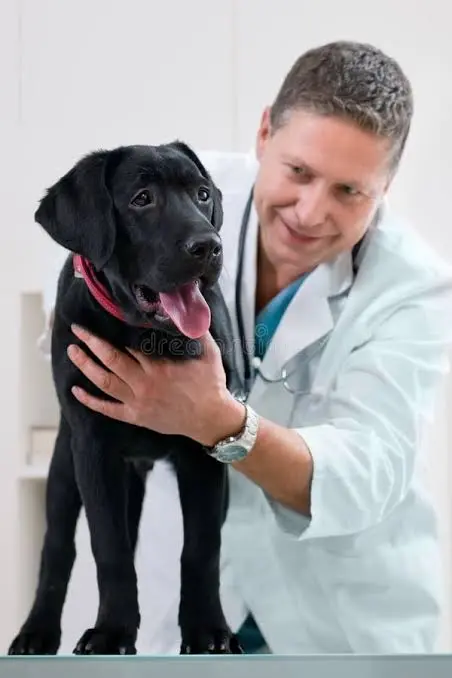
Dog Limping Back Leg : Triage Support When You Need It

AI-powered clinical guidance helps you assess urgency, monitor changes, and document symptoms—without replacing your veterinarian’s expertise.

VETERINARY AI FOR PET OWNERS

Why a Limping Back Leg Deserves Your Attention

A limping back leg in dogs is a common clinical presentation with causes ranging from soft tissue strain to cruciate ligament injury or neurological compromise. Accurate triage directly influences outcomes.

Most cases are not emergencies, but delaying assessment can mask progression. Objective monitoring and structured observation help you make informed decisions while avoiding unnecessary panic.

Veterinary AI

Get personalized guidance for your pet's symptoms

Common Causes of Dog Limping Back Leg

These six possibilities range from mild to serious, know what to look for.

Soft Tissue Strain

Overexertion during play or exercise causing mild muscle or ligament inflammation. Typically improves with 24-48 hours rest.

Paw Pad Injury

Cuts, foreign objects, or abrasions on the paw causing discomfort when bearing weight. Often visible upon inspection.

Osteoarthritis

Age-related joint degeneration causing progressive stiffness, particularly after rest or in colder weather.

Elbow Dysplasia

Developmental condition affecting elbow joint alignment, often seen in large breed dogs presenting with intermittent lameness.

Ligament Injury

Cranial cruciate ligament or collateral ligament damage causing joint instability and significant weight-bearing difficulty.

Bone or Joint Pathology

Fractures, neoplasia, or infectious conditions requiring immediate veterinary imaging and intervention.

If your dog is limping on a back leg and you’re uncertain about the severity, take informed action. Veterinary AI delivers real-time clinical triage tailored to your pet’s specific presentation—helping you distinguish between a minor strain and signs requiring urgent care with clarity and confidence.
+0
Symptoms analyzed
by pet owners worldwide
+0
Pet owners trusting
AI for their pet's health
0/7
Available anytime
even at 2AM emergencies
Person lovingly caring for dog at home

Safe Home Care & Monitoring Guidelines

Clinically safe, non-invasive steps you can take immediately to assess your dog's limping back leg, provide comfort, and gather the exact information your veterinarian needs.

Restrict activity to short, leashed bathroom breaks : no running, jumping, or stairs
Apply cold compress (wrapped in towel) to the affected leg for 10 minutes, 2-3 times daily
Monitor and record weight-bearing status : note any progression from partial to non-weight-bearing
Examine paw pads and interdigital spaces for cuts, punctures, foreign bodies, or localized swelling
Provide a comfortable resting area with non-slip flooring to prevent further strain on the affected leg
Offer fresh water consistently and monitor appetite : changes may indicate systemic involvement
Start Symptom Assessment

TESTIMONIALS

OPYNIO Reviews Dog Limping Back Leg

When Can Veterinary AI Help You and Your Dog?

Unsure About Severity?

When your dog is limping on a back leg and you're unsure of the severity, Veterinary AI provides evidence-based triage to distinguish a minor strain from signs requiring urgent care.

Persistent or Worsening?

If back leg limping persists beyond 24 hours or your dog shows swelling, joint heat, appetite loss, or lethargy, Veterinary AI helps you compile a timeline and severity score for your vet.

Pre-Visit Preparation?

When you need clinically-grounded guidance to manage the next hours safely while preparing the exact history — onset, weight-bearing status, and associated signs — your vet needs for an informed consultation.

When to Seek Immediate Emergency Care

Red flags that require urgent veterinary attention and how Veterinary AI supports each critical decision.

Complete non-weight-bearing with no improvement over 12 hours: Veterinary AI's instant risk scoring flags severe lameness patterns that warrant immediate veterinary attention
Swelling, heat, or bruising that worsens rapidly: Instant symptom analysis tracks progression trends and helps you decide whether to head to the ER or wait for your scheduled visit
Your dog refuses to stand, walk, or climb stairs: 24/7 smart triage categorizes mobility loss into actionable severity levels with clear next-step recommendations
Visible deformity, angulation, or abnormal toe position: 24/7 smart triage prompts you to check for fractures or dislocations using visual guidance and red-flag rules
Sudden collapse or loss of balance: Generating an exportable clinical summary report documents the event timeline, which becomes a critical reference for the ER team
Limping appears alongside fever, vomiting, or respiratory distress: Generating an exportable clinical summary report compiles all symptoms into a one-page summary you can email or show directly to your veterinarian
Dog showing signs of distress needing emergency veterinary care

Monthly

Flexible, cancel anytime

€9.99 /month
AI symptom assessment
Emergency guidance 24/7
Preventive care reminders
Wellness monitoring
Breed-specific health tips
Unlimited conversations
Start monthly plan
SAVE 24%

Annual

Best value for your pet

€90.99 /year

Just €7.58/month

AI symptom assessment
Emergency guidance 24/7
Preventive care reminders
Wellness monitoring
Breed-specific health tips
Unlimited conversations
Priority support
Start annual plan

Veterinary AI provides clinical triage support and educational information based on evidence-based data. This platform does not replace professional in-person veterinary examination, diagnosis, or treatment. Always consult a licensed veterinarian for medical decisions regarding your pet’s health. In emergencies, contact your nearest veterinary hospital immediately.


By submitting you agree to our Privacy Policy

Veterinary AI

AI-Powered Pet Care 24/7

More and more pet owners trust Veterinary AI for their pet's health. Get instant AI consultations, track medical records, set vaccine reminders, and access expert guidance — all from your phone. No waiting rooms, no appointments. Start now.

FAQ

Frequently Asked
Questions

Everything you need to know about back leg limping in dogs and how Veterinary AI can help. Can't find what you're looking for?

Contact Us

Why is my dog limping on his back leg but not crying?

Many dogs mask pain. Limping without vocalization often indicates mild to moderate discomfort, but conditions like CCL injury or hip dysplasia can also present this way.

How long should a dog limp before seeing a vet?

If limping persists beyond 48 hours or worsens, schedule an appointment. Immediate evaluation is recommended if your dog is non-weight-bearing, lethargic, or shows swelling.

Can a dog sprain its back leg?

Yes, soft tissue sprains and strains are common, especially after exercise. Rest and restricted activity often resolve mild cases within 3–5 days.

What is the difference between cruciate ligament injury and hip dysplasia?

Cruciate injuries cause sudden, severe limping, often in active dogs. Hip dysplasia is developmental and causes gradual stiffness, especially after rest.

Should I massage my dog's limping back leg?

Avoid massage until a veterinarian rules out fractures or nerve damage. Gentle cooling compresses are safer for managing localized swelling.