Dog Not Moving? Get Clinical Clarity Now.

Understand the clinical significance of immobility with AI-driven triage support. Evidence-based guidance to assess urgency before your veterinary visit.

VETERINARY AI FOR PET OWNERS

Understanding Why Your Dog Sleeps Too Much: A Clinical Perspective

Dog not moving, clinically termed immobility or reluctance to bear weight, is a significant presentation that may indicate musculoskeletal injury, neurological dysfunction, or severe systemic illness requiring prompt evaluation.

While some immobility may result from mild strain or fatigue, objective monitoring and structured triage are essential — distinguishing benign causes from signs of fracture, spinal injury, or life-threatening conditions ensures timely, appropriate care.

Veterinary AI

Assess your dog's immobility with clinical precision

Common Causes of Dog Not Moving

Clinical etiologies range from mild musculoskeletal strain to severe neurological or systemic conditions requiring urgent veterinary investigation.

Muscle Strain or Fatigue — Mild soft tissue injury causing temporary reluctance to move or bear weight — typically resolves with rest
Osteoarthritis Pain — Chronic joint disease causing pain-related immobility, especially in senior dogs and large breeds
Spinal Injury or Disc Disease — Intervertebral disc herniation causing pain, weakness, or paralysis — urgent evaluation required
Limb Fracture or Severe Sprain — Traumatic injury causing inability to bear weight on affected limb — immediate veterinary assessment needed
Neurological Dysfunction — Spinal cord or brain disorders causing weakness, ataxia, or paralysis — emergency presentation
Systemic Disease or Shock — Severe illness, sepsis, or metabolic crisis causing profound weakness and immobility — immediate emergency care required
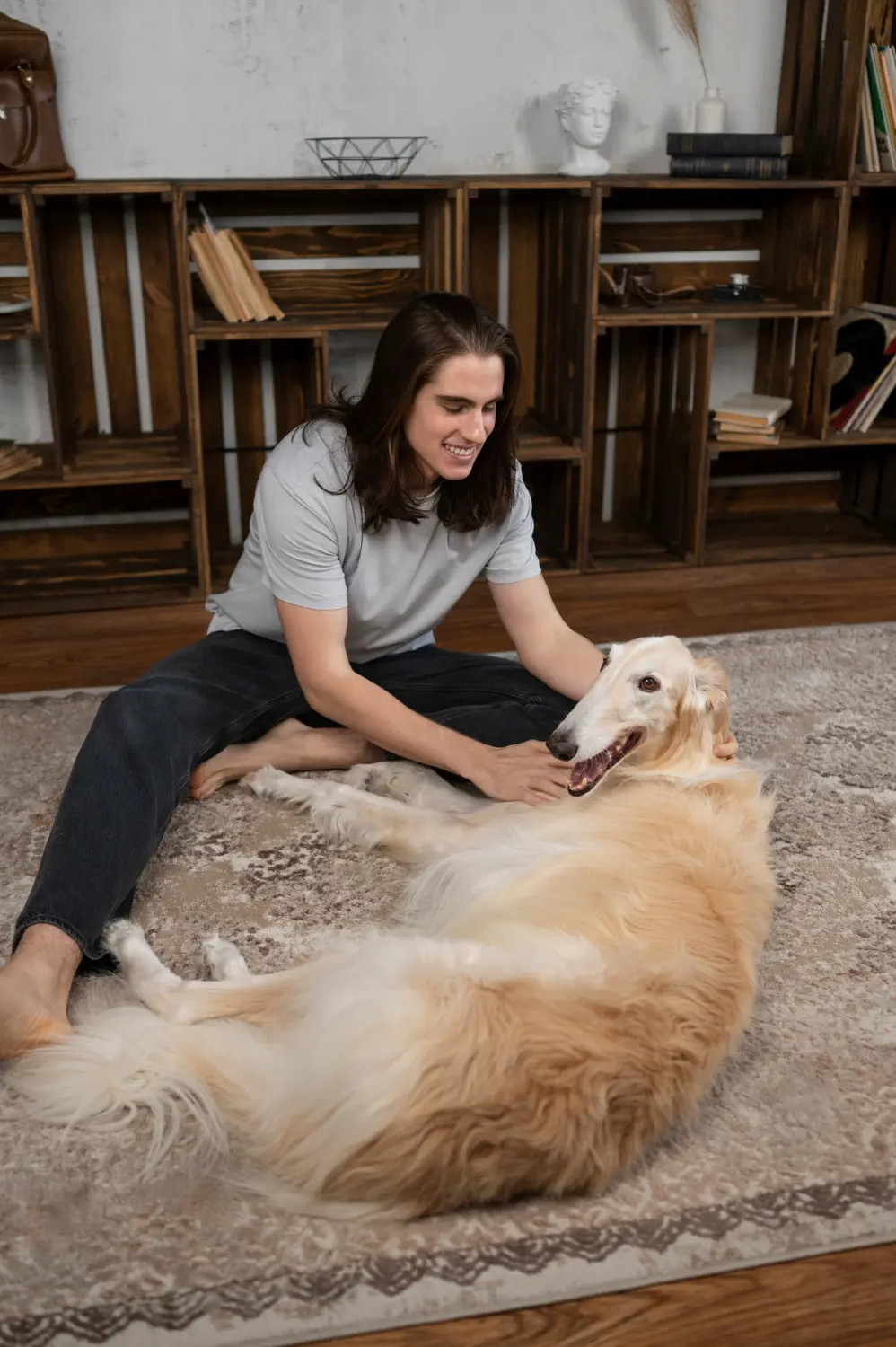
Dog lying down unable to move showing signs of immobility requiring clinical assessment
+0
Symptoms analyzed
by pet owners worldwide
+0
Pet owners trusting
AI for their pet's health
0/7
Available anytime
even at 2AM emergencies
VETERINARY AI FOR PET OWNERS

Safe Home Care & Monitoring Guidelines

Practical, medically safe actions to support your dog while monitoring their condition

Do Not Force Movement

Never force your dog to stand, walk, or move — this may worsen spinal injury or fracture

Keep Dog Still and Comfortable

Maintain your dog in a comfortable position on a flat, supportive surface

Monitor Breathing Rate

Track respiratory rate and effort — rapid or labored breathing requires immediate attention

Assess Gum Color

Pink is normal — pale, gray, or blue gums indicate circulatory emergency requiring immediate care

Check Limb Temperature

Cold extremities may indicate circulation compromise or shock — seek immediate veterinary care

Maintain Symptom Diary

Record onset time, progression, vital signs, and any changes for accurate veterinary reporting

🚨 This is an urgent situation. Do not delay seeking veterinary care. Use a rigid board or stretcher for transport if available. Do not administer any pain medication without veterinary guidance — this may mask critical neurological signs. Veterinary AI can help you prepare for emergency care while en route to the hospital.

TESTIMONIALS

OPYNIO Reviews Dog Not Moving

When Can Veterinary AI Help You and Your Dog?

Timely, clinically-grounded support for every stage of your dog’s care journey.

When your dog is not moving and you're unsure of the severity — Veterinary AI delivers real-time clinical triage tailored to your pet's specific presentation, helping you distinguish between mild strain and signs of serious injury or neurological compromise requiring emergency attention with clarity and confidence.
If immobility persists despite rest, or your dog shows signs of pain, weakness, paralysis, or pale gums — Veterinary AI helps you distinguish between benign musculoskeletal issues and serious conditions requiring emergency veterinary attention with clarity and confidence.
When you need clinically-grounded guidance before your veterinary visit — Veterinary AI delivers an exportable clinical summary with structured data, helping you prepare for a productive, informed emergency consultation with your veterinarian.

🚨 This is an urgent situation. If your dog is not moving and shows signs of pain, paralysis, pale gums, or difficulty breathing, do not wait — seek emergency veterinary care immediately. Veterinary AI provides immediate, evidence-based triage while you prepare for transport to the hospital.

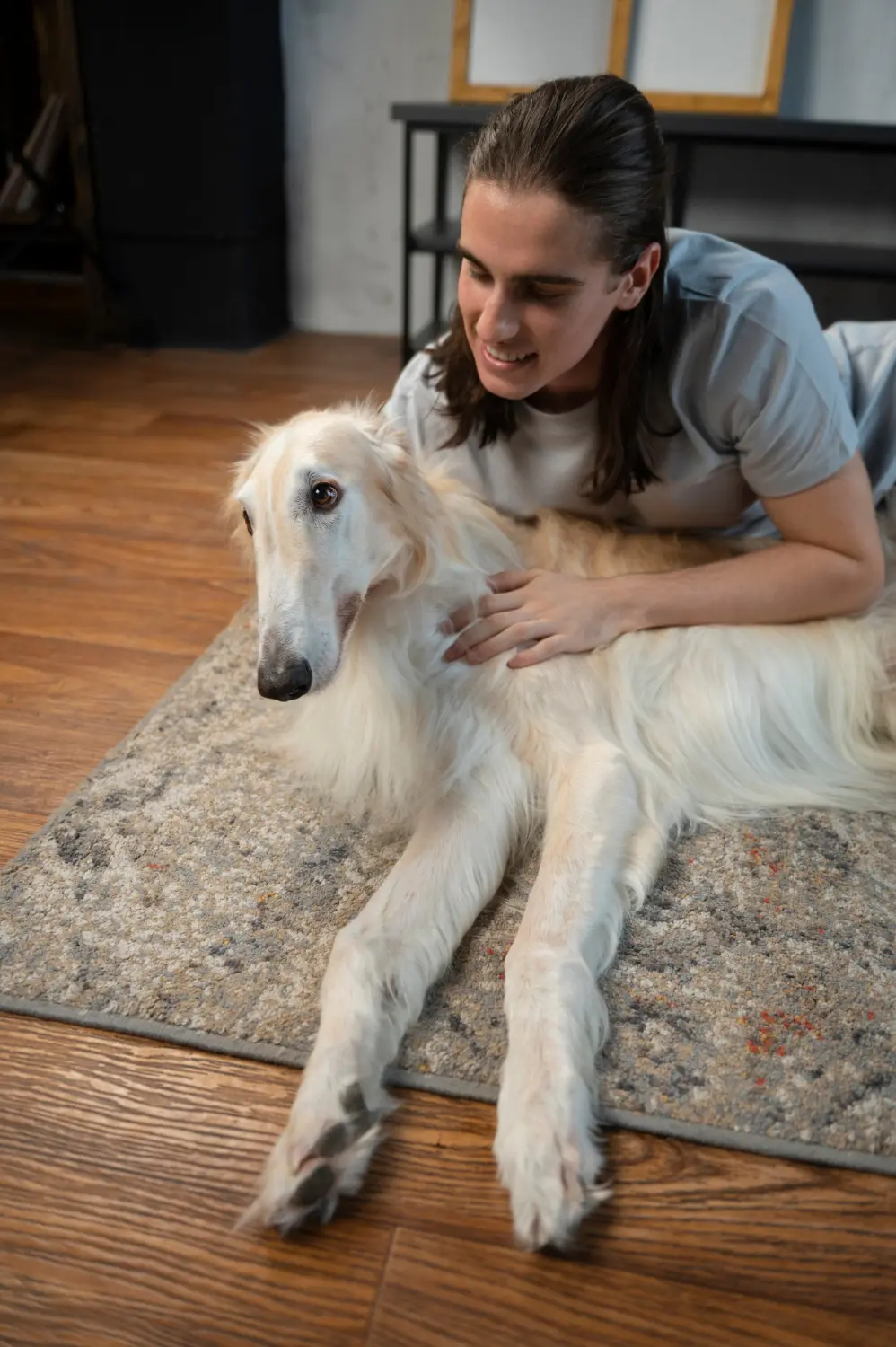
Dog lying down unable to move showing signs of paralysis or severe injury needing emergency veterinary care

When to Seek Immediate Emergency Care

Red flags that require urgent veterinary attention — and how Veterinary AI supports each critical decision when your dog is not moving.

Complete Inability to Stand or Bear Weight

Instant Risk Scoring flags neurological or musculoskeletal emergency — immediate evaluation required

Pale, Gray, or Blue-Tinged Gums with Immobility

Risk Scoring identifies circulatory or shock urgency — prompts immediate emergency referral

Labored Breathing or Respiratory Distress

Urgency Level Assessment provides real-time escalation pathways for respiratory or systemic emergencies

Signs of Severe Pain — Vocalization or Trembling

Urgency Assessment evaluates pain severity — prompts immediate ER contact for trauma or spinal injury

Neurological Signs — Paralysis, Ataxia, or Seizures

Exportable Report compiles progression timeline for immediate ER handover

Collapse, Unresponsiveness, or Sudden Onset

Exportable Report documents systemic signs for immediate veterinary review

🚨 If your dog is not moving and shows any of these red flags, do not delay — seek emergency care immediately. Veterinary AI helps you prepare for emergency care while generating a clinical summary report for your veterinarian — but immediate veterinary attention is essential.

Monthly

Flexible, cancel anytime

€9.99 /month
AI symptom assessment
Emergency guidance 24/7
Preventive care reminders
Wellness monitoring
Breed-specific health tips
Unlimited conversations
Start monthly plan
SAVE 24%

Annual

Best value for your pet

€90.99 /year

Just €7.58/month

AI symptom assessment
Emergency guidance 24/7
Preventive care reminders
Wellness monitoring
Breed-specific health tips
Unlimited conversations
Priority support
Start annual plan

By submitting you agree to our Privacy Policy

Veterinary AI

AI-Powered Pet Care 24/7

More and more pet owners trust Veterinary AI for their pet's health. Get instant AI consultations, track medical records, set vaccine reminders, and access expert guidance — all from your phone. No waiting rooms, no appointments. Start now.
FAQ

Frequently Asked
Questions

Everything you need to know about immobility in dogs and how Veterinary AI can help. Can't find what you're looking for?

Start Symptom Assessment

Why is my dog not moving?

Common causes include muscle strain, arthritis, spinal injury, fracture, neurological dysfunction, or severe systemic illness requiring immediate evaluation.

Is a dog not moving an emergency?

Yes — sudden immobility with pain, paralysis, pale gums, or difficulty breathing is a genuine emergency requiring immediate veterinary attention.

What should I do if my dog suddenly can't walk?

Do not force movement. Keep your dog still and comfortable. Seek emergency veterinary care immediately — do not wait.

Can arthritis cause a dog to stop moving?

Yes, severe osteoarthritis pain can cause reluctance to move, especially in senior dogs, but sudden immobility warrants urgent evaluation.

When should I see a vet for my dog not moving?

Seek veterinary advice immediately if your dog cannot stand, shows pain, or has pale gums, rapid breathing, or any change in consciousness.