Dog Bad Breath: Clinical Triage Support for Your Canine

Veterinary AI provides objective, evidence-based clinical triage for canine halitosis. We help you assess severity and prepare for your veterinarian with clarity and confidence.

VETERINARY AI FOR PET OWNERS

Understanding Persistent or Severe Bad Breath in Dogs

Halitosis in dogs is clinically significant; it may indicate periodontal disease, oral infections, metabolic disorders, or gastrointestinal conditions. Timely, objective assessment is essential to identify underlying causes.

While bad breath can be concerning, not all cases are emergencies. However, objective triage is critical; it helps differentiate benign dietary causes from conditions requiring immediate dental or systemic intervention.

Veterinary AI

Assess your dog's breath odor with clinical precision

Common Causes of Dog Bad Breath

Halitosis in dogs arises from various underlying conditions, from benign to severe.

Dietary Factors

Consumption of odorous foods or scavenging causing temporary halitosis that resolves with dietary adjustment

Plaque and Tartar

Bacterial accumulation on teeth causing mild halitosis that is reversible with professional dental cleaning

Periodontal Disease

Inflammation of gums and supporting structures causing persistent halitosis requiring veterinary dental intervention

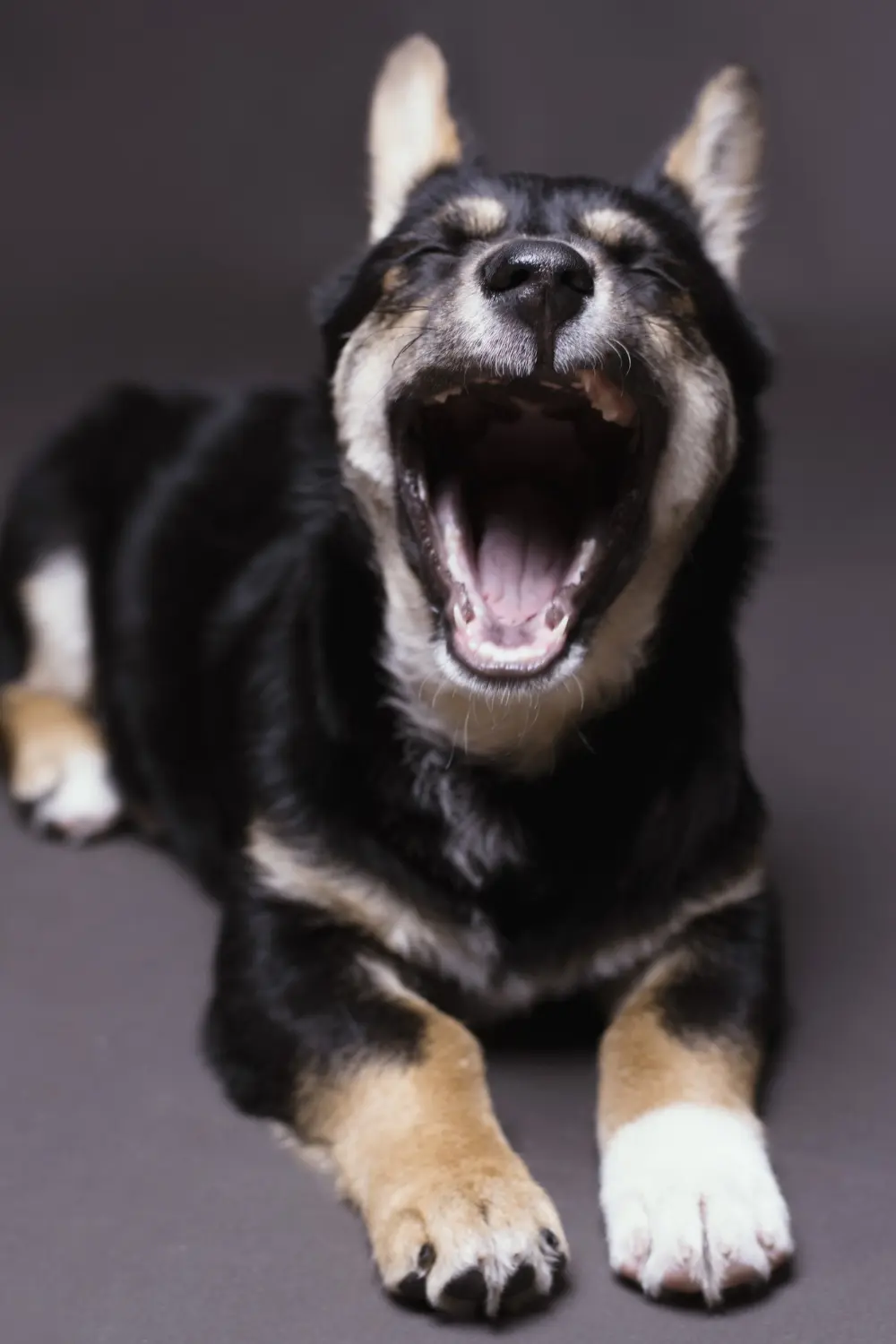
Dog showing signs of halitosis requiring clinical assessment

Oral Infections

Abscesses or infected teeth producing foul odor causing pain, swelling, or difficulty eating

Metabolic Disorders

Kidney disease or diabetes causing distinctive breath odors (uremic or fruity); requires systemic evaluation

Gastrointestinal Conditions

Esophageal or gastric issues causing halitosis through regurgitation or delayed gastric emptying

If your dog is showing persistent bad breath and you're uncertain about the severity, take informed action. Veterinary AI delivers real-time clinical triage tailored to your pet's specific presentation; helping you distinguish between benign dietary causes and signs requiring immediate dental or systemic evaluation with clarity and confidence.

+0
Symptoms analyzed
by pet owners worldwide
+0
Pet owners trusting
AI for their pet's health
0/7
Available anytime
even at 2AM emergencies

Safe Home Care & Monitoring Guidelines

Practical, medically safe actions to support your dog's oral health

Establish Dental Hygiene Routine

Use veterinarian-approved toothbrushes and toothpaste designed specifically for dogs

Offer Dental Chews & Toys

Choose VOHC-approved products that promote mechanical plaque removal during chewing

Monitor Eating Habits

Note any changes in appetite, chewing difficulty, or food avoidance during meals

Perform Weekly Oral Checks

Inspect gums for redness, swelling, bleeding, ulcers, or visible foreign objects

Ensure Proper Hydration

Provide fresh water at all times to support oral health and reduce bacterial concentration

Maintain Oral Health Diary

Document onset, progression, and any accompanying signs like drooling or pawing at the mouth

💡 Never use human dental products on your dog. Avoid human toothpaste, mouthwash, or home remedies without veterinary guidance. These products may contain xylitol or other ingredients toxic to dogs.

TESTIMONIALS

OPYNIO Reviews Dog Bad Breath

When Can Veterinary AI Help You and Your Dog?

Timely, clinically-grounded support for every stage of your dog's oral health journey

Unsure About Severity?

When your dog has persistent bad breath and you're unsure of the severity, Veterinary AI provides evidence-based triage to distinguish benign dietary causes from signs requiring immediate dental or systemic evaluation.

Persistent or Escalating?

If halitosis persists for more than 48 hours, or your dog shows red gums, bleeding, swelling, difficulty eating, or systemic signs, Veterinary AI helps you assess urgency and compile a timeline for your vet.

Pre-Visit Preparation?

When you need clinically-grounded guidance to manage the next days safely while preparing the exact history (onset, progression, oral hygiene routine, and accompanying signs) your veterinarian needs for an informed dental or systemic consultation.

💡 Always trust your instincts. If you're concerned about your dog's bad breath, Veterinary AI provides immediate, evidence-based assessment; but never delays seeking emergency care when your dog shows facial swelling, bleeding from the mouth, difficulty breathing or swallowing, vomiting, lethargy, or any signs of systemic involvement.

When to Seek Immediate Emergency Care

Red flags that require urgent veterinary attention; and how Veterinary AI supports each critical decision when your dog shows persistent bad breath.

Swollen face or jaw with sudden bad breath; Veterinary AI's instant risk scoring flags this as high-risk and guides your immediate actions toward emergency evaluation
Bleeding from the mouth or visible oral masses; Instant symptom analysis identifies potential tumors or severe infection and escalates urgency for immediate evaluation
Difficulty breathing or swallowing with halitosis; 24/7 smart triage assesses airway compromise and recommends immediate emergency transport
Vomiting, lethargy, or collapse accompanying bad breath; 24/7 smart triage evaluates systemic involvement and prompts immediate ER contact with red-flag rules
Known toxin exposure or foreign body ingestion; Generating an exportable clinical summary report documents critical history and timeline for emergency handover
Persistent halitosis with weight loss or polydipsia; Generating an exportable clinical summary report captures systemic signs and provides structured data for your veterinarian's review
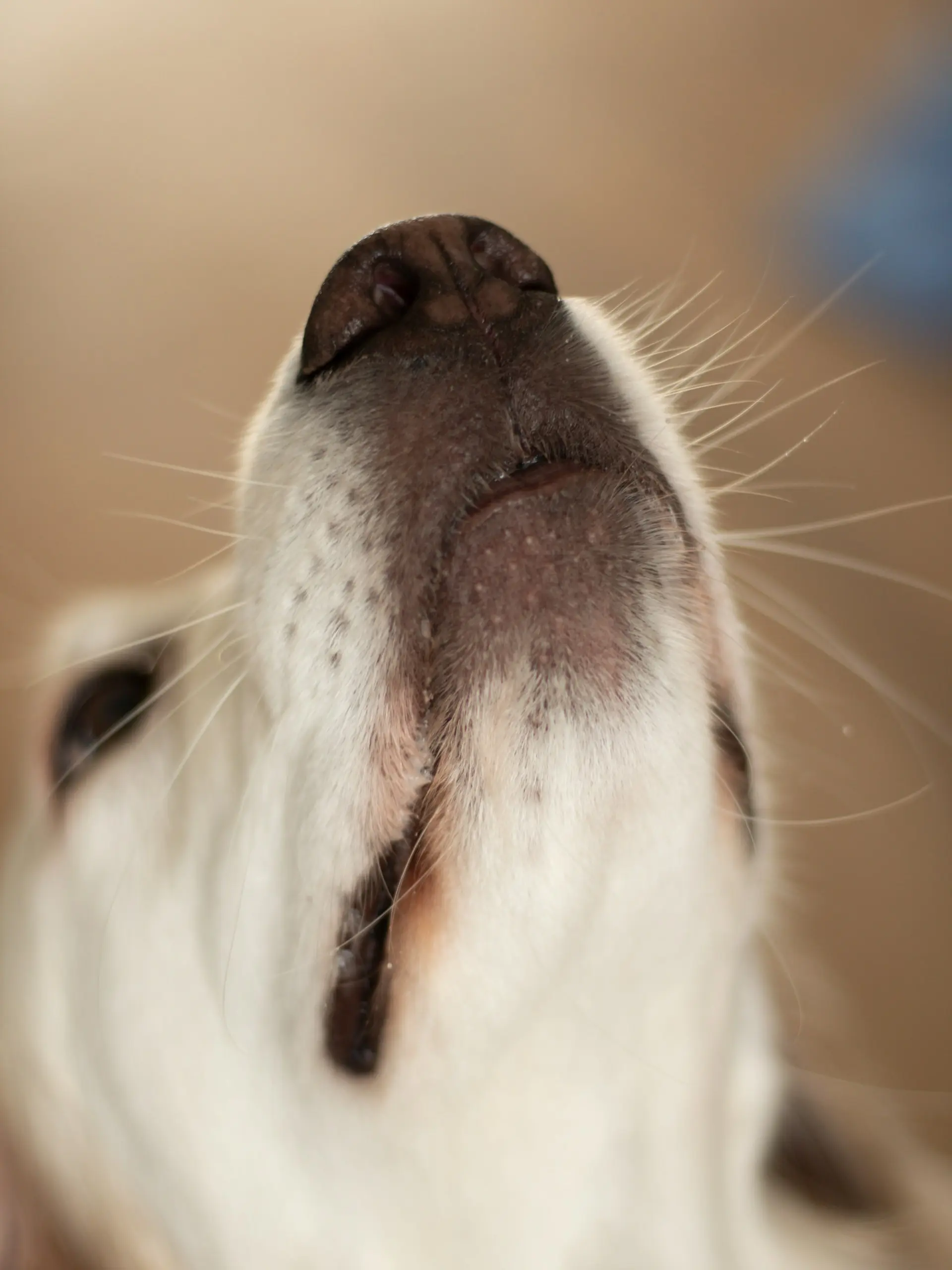
Dog showing signs of severe halitosis needing emergency veterinary care

Monthly

Flexible, cancel anytime

€9.99 /month
AI symptom assessment
Emergency guidance 24/7
Preventive care reminders
Wellness monitoring
Breed-specific health tips
Unlimited conversations
Start monthly plan
SAVE 24%

Annual

Best value for your pet

€90.99 /year

Just €7.58/month

AI symptom assessment
Emergency guidance 24/7
Preventive care reminders
Wellness monitoring
Breed-specific health tips
Unlimited conversations
Priority support
Start annual plan

Veterinary AI provides triage support and educational information only. This does not constitute a diagnosis, medical opinion, or treatment plan. Not a substitute for professional, in-person veterinary care, examination, or testing. Always consult a licensed veterinarian for health concerns. In emergencies, seek immediate veterinary attention.

By submitting you agree to our Privacy Policy

Veterinary AI

AI-Powered Pet Care 24/7

More and more pet owners trust Veterinary AI for their pet's health. Get instant AI consultations, track medical records, set vaccine reminders, and access expert guidance — all from your phone. No waiting rooms, no appointments. Start now.
FAQ

Frequently Asked
Questions

Everything you need to know about bad breath in dogs and how Veterinary AI can help. Can't find what you're looking for?

Start Symptom Assessment

What causes bad breath in dogs?

Common causes include plaque, tartar, periodontal disease, oral infections, dietary factors, and systemic conditions like kidney disease or diabetes.

Is bad breath a sign of dental disease in dogs?

Yes. Persistent halitosis is often the first indicator of periodontal disease or other oral health issues requiring professional evaluation.

Can dog bad breath be a sign of kidney problems?

Yes. A urine-like or ammonia odor may indicate kidney disease; this requires immediate veterinary assessment and diagnostic testing.

Should I take my dog to the vet for bad breath?

Yes. Persistent bad breath should be evaluated to identify the underlying cause; early intervention can prevent progression and complications.

How can I prevent bad breath in my dog?

Regular tooth brushing, dental chews, professional cleanings, and routine veterinary oral examinations help prevent halitosis.