Dog Deaf Symptoms: Clinical Triage Support for Your Canine

Veterinary AI provides objective, evidence-based clinical triage for canine hearing changes. We help you assess severity and prepare for your veterinarian with clarity and confidence.

VETERINARY AI FOR PET OWNERS

Understanding Sudden or Progressive Hearing Loss in Dogs

Hearing changes in dogs are clinically significant; they may indicate congenital defects, chronic ear infections, neurological disorders, or age-related degeneration. Timely, objective assessment is essential to preserve quality of life.

While hearing loss can be concerning, not all cases are emergencies. However, objective triage is critical; it helps differentiate treatable conditions from irreversible ones and ensures you act with informed precision.

Veterinary AI

Assess your dog's hearing symptoms with clinical precision

Common Causes of Dog Deaf Symptoms

Hearing loss in dogs arises from various underlying conditions, from benign to severe.

Cerumen Impaction

Accumulation of wax or debris in the ear canal causing temporary conductive hearing loss

Otitis Externa/Media

Inflammation or infection of the outer or middle ear causing reversible hearing loss

Presbycusis

Age-related hearing degeneration; progressive loss typically seen in senior dogs

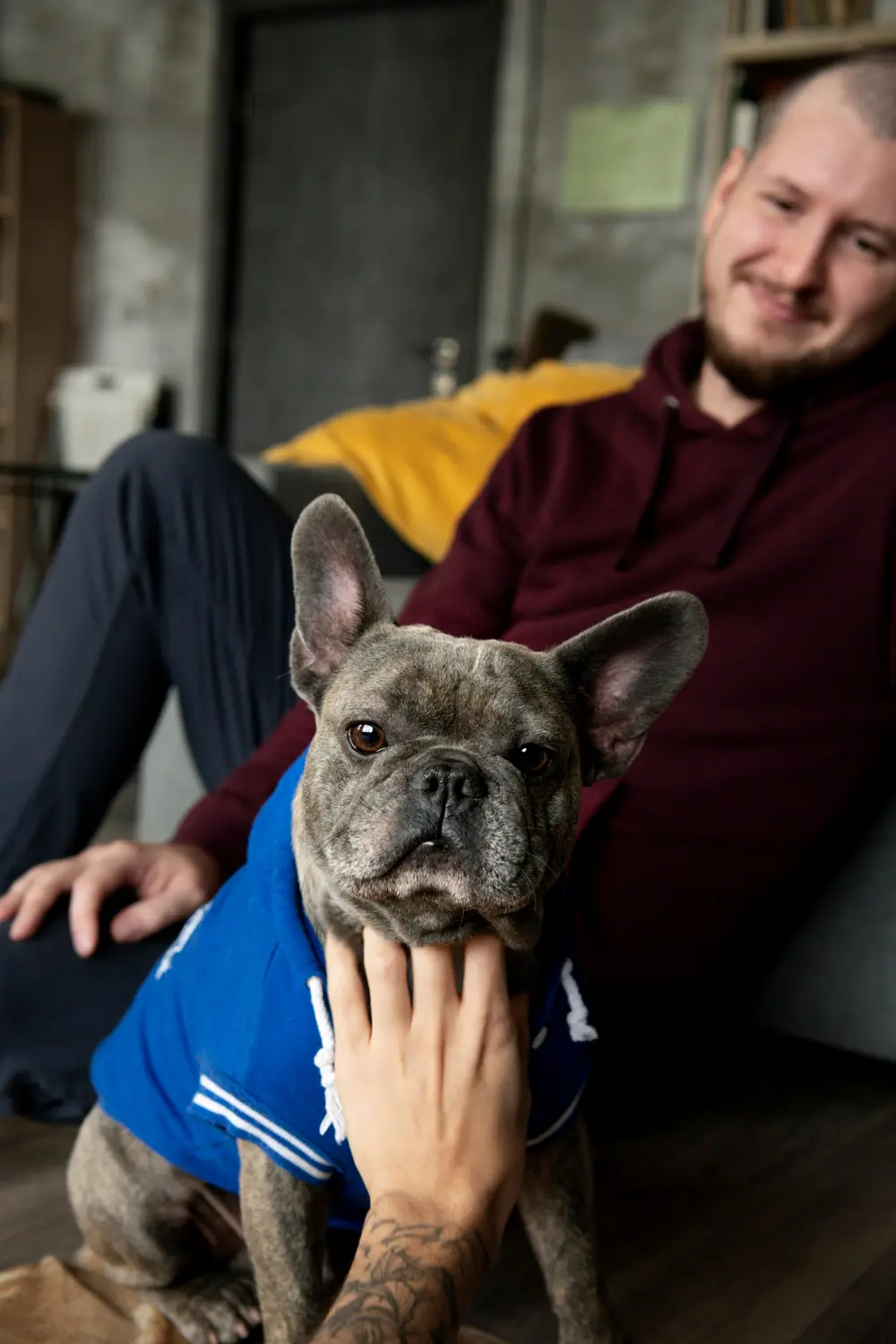
Dog showing signs of hearing loss requiring clinical assessment

Congenital Deafness

Inherited condition common in white-coated breeds like Dalmatians or Bull Terriers

Ototoxicity

Drug-induced hearing damage from certain antibiotics or diuretics; requires immediate attention

Neurological Disorders

Brain tumors, strokes, or inflammation affecting the auditory cortex or cranial nerve VIII

If your dog is showing hearing symptoms and you're uncertain about the severity, take informed action. Veterinary AI delivers real-time clinical triage tailored to your pet's specific presentation; helping you distinguish between benign age-related changes and signs requiring immediate otoscopic or neurologic evaluation with clarity and confidence.

+0
Symptoms analyzed
by pet owners worldwide
+0
Pet owners trusting
AI for their pet's health
0/7
Available anytime
even at 2AM emergencies

Safe Home Care & Monitoring Guidelines

Practical, medically safe actions to support your dog with hearing changes

Use Visual Cues & Hand Signals

Replace verbal commands with consistent hand signals for effective communication

Approach from the Front

Always approach your dog from the front to avoid startling and defensive reactions

Maintain Consistent Routine

Regular schedules reduce confusion and provide security for hearing-impaired dogs

Perform Weekly Ear Checks

Inspect ears for redness, swelling, discharge, odor, or signs of pain or infection

Use Vibrations for Attention

Stomp gently on the floor or use a vibrating collar to get your dog's attention

Maintain Hearing Diary

Document onset, progression, and any accompanying signs like head shaking or tilting

💡 Never insert objects into the ear canal. Avoid using cotton swabs, drops, or home remedies without veterinary guidance. Improper ear cleaning can cause trauma or worsen underlying conditions.

TESTIMONIALS

OPYNIO Reviews Dog Deaf Symptoms

When Can Veterinary AI Help You and Your Dog?

Timely, clinically-grounded support for every stage of your dog's hearing care journey

Unsure About Severity?

When your dog shows hearing symptoms and you're unsure of the severity, Veterinary AI provides evidence-based triage to distinguish benign age-related changes from signs requiring immediate otoscopic or neurologic evaluation.

Persistent or Escalating?

If hearing loss persists for more than 24 hours, or your dog shows head tilting, circling, balance issues, or facial paralysis, Veterinary AI helps you assess urgency and compile a timeline for your vet.

Pre-Visit Preparation?

When you need clinically-grounded guidance to manage the next hours safely while preparing the exact history (onset, progression, ear checks, and accompanying signs) your veterinarian needs for an informed otic or neurologic consultation.

💡 Always trust your instincts. If you're concerned about your dog's hearing symptoms, Veterinary AI provides immediate, evidence-based assessment; but never delays seeking emergency care when your dog shows head tilting, circling, vomiting, nystagmus, facial paralysis, or any signs of neurologic involvement.

When to Seek Immediate Emergency Care

Red flags that require urgent veterinary attention; and how Veterinary AI supports each critical decision when your dog shows hearing symptoms.

Sudden complete hearing loss with head tilt or circling; Veterinary AI's instant risk scoring flags this as high-risk and guides your immediate actions toward emergency neurologic evaluation
Painful, swollen, or foul-smelling ear with discharge; Instant symptom analysis identifies severe otitis or aural hematoma and escalates urgency for immediate evaluation
Vomiting, nystagmus, or disorientation accompanying hearing changes; 24/7 smart triage assesses neurologic involvement and recommends immediate emergency transport
Facial paralysis, drooping eyelid, or difficulty eating; 24/7 smart triage evaluates cranial nerve involvement and prompts immediate ER contact with red-flag rules
Seizures, altered consciousness, or behavioral changes; Generating an exportable clinical summary report organizes neurologic signs for your emergency veterinarian
Known toxin exposure or medication history with hearing changes; Generating an exportable clinical summary report captures objective data and provides a structured handoff for emergency teams
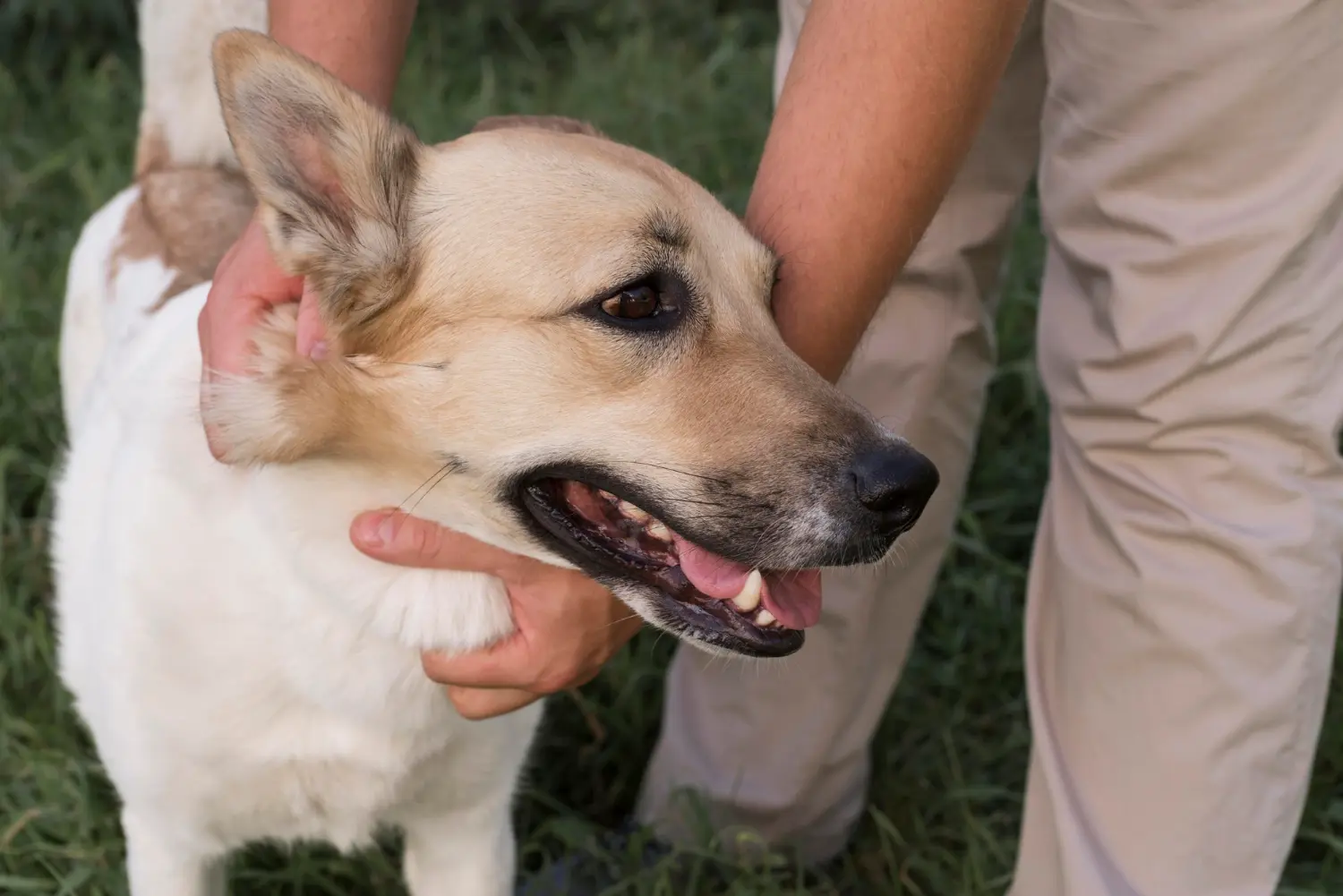
Dog showing signs of severe hearing loss needing emergency veterinary care

Monthly

Flexible, cancel anytime

€9.99 /month
AI symptom assessment
Emergency guidance 24/7
Preventive care reminders
Wellness monitoring
Breed-specific health tips
Unlimited conversations
Start monthly plan
SAVE 24%

Annual

Best value for your pet

€90.99 /year

Just €7.58/month

AI symptom assessment
Emergency guidance 24/7
Preventive care reminders
Wellness monitoring
Breed-specific health tips
Unlimited conversations
Priority support
Start annual plan

Veterinary AI provides triage support and educational information only. This does not constitute a diagnosis, medical opinion, or treatment plan. Not a substitute for professional, in-person veterinary care, examination, or testing. Always consult a licensed veterinarian for health concerns. In emergencies, seek immediate veterinary attention.

By submitting you agree to our Privacy Policy

Veterinary AI

AI-Powered Pet Care 24/7

More and more pet owners trust Veterinary AI for their pet's health. Get instant AI consultations, track medical records, set vaccine reminders, and access expert guidance — all from your phone. No waiting rooms, no appointments. Start now.
FAQ

Frequently Asked
Questions

Everything you need to know about hearing symptoms in dogs and how Veterinary AI can help. Can't find what you're looking for?

Start Symptom Assessment

What are the first signs of deafness in a dog?

Early signs include not responding to calls, ignoring doorbells, sleeping through loud noises, and startling easily when approached from behind.

Can a dog suddenly go deaf overnight?

Yes. Sudden deafness can occur due to ototoxicity, severe inner ear infections, or neurologic events; these require immediate veterinary evaluation.

Are white dogs more prone to deafness?

Yes. Congenital deafness is associated with the piebald or merle gene; common in Dalmatians, Bull Terriers, and Australian Cattle Dogs.

Should I take my dog to the vet if he is not responding to sounds?

Yes. Hearing loss should be evaluated promptly to determine the cause; early intervention may prevent progression or identify treatable conditions.

How can I communicate with a deaf dog?

Use hand signals, visual cues, and vibrations. Maintain eye contact and approach from the front to avoid startling your dog.