Get objective, evidence-based support for your dog’s paw-focused behavior. Veterinary AI helps you assess urgency and identify potential causes, without replacing your vet.
When a dog repeatedly bites or chews its paws, it typically signals underlying pruritus, pain, or sensory irritation. This behavior may indicate allergic dermatitis, parasitic infestation, foreign body entrapment, or neuropathic discomfort requiring systematic evaluation.
While occasional paw grooming is normal, persistent biting warrants attention. Veterinary AI provides structured triage support to help you distinguish between behavioral habits and clinically significant conditions requiring professional intervention.
Clinical etiologies range from environmental allergens and dietary factors to parasitic infestations and painful orthopedic conditions.
Environmental or Seasonal Allergies
Atopic dermatitis from pollen, mold, or dust mites commonly presents with pruritic paws
Food Hypersensitivity
Adverse reactions to protein sources or grains manifest as localized paw inflammation
Parasitic Infestation
Demodex mites, Sarcoptes scabiei, or harvest mites frequently target interdigital spaces
Foreign Body Entrapment
Grass awns, splinters, or small objects become lodged between toes causing focal irritation
Secondary Bacterial or Fungal Infection
Interdigital pyoderma or yeast overgrowth intensifies pruritus and self-trauma cycles
Osteoarthritis or Neuropathic Pain
Degenerative joint disease or nerve compression causes abnormal paw sensations and licking
β¦ If your dog is persistently biting or chewing their paws and you're uncertain about the severity, take informed action. Veterinary AI delivers real-time clinical triage tailored to your pet's specific presentationβhelping you distinguish between behavioral grooming and clinically significant dermatologic or orthopedic conditions requiring veterinary attention with clarity and confidence.
Before your veterinary appointment, these non-invasive measures help you gather critical clinical data.
Inspect Between Toes Daily
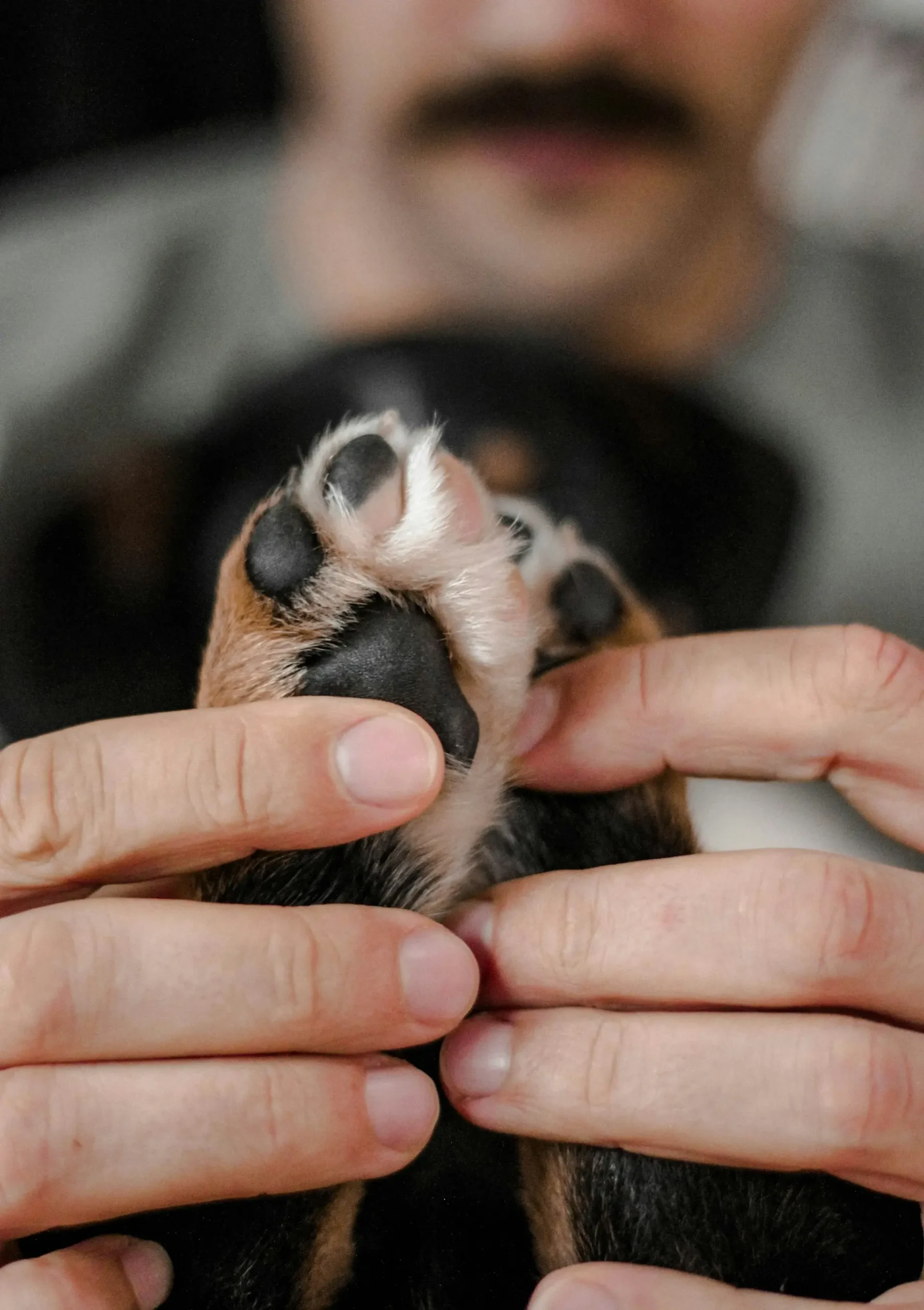
Gently separate each digit to check for redness, swelling, discharge, or foreign objects
Apply Elizabethan Collar
Prevent self-trauma during sleep and unsupervised periods to break the itch-scratch cycle
Clean Paws After Walks
Rinse with lukewarm water and pat dry to remove environmental allergens and irritants
Monitor Licking & Biting Patterns
Document frequency, time of day, and any triggers to share with your veterinarian
Assess Lameness & Weight-Bearing
Note if your dog avoids bearing weight or shows gait abnormalities
Check for Systemic Symptoms
Monitor appetite, energy levels, and body temperature for signs of broader illness
TESTIMONIALS
Veterinary AI provides structured support at specific points during your dog’s clinical timeline.
When your dog is biting or chewing their paws and you're unsure of the severity, Veterinary AI helps you distinguish between behavioral grooming and clinically significant dermatologic or orthopedic conditions requiring veterinary attention.
If paw biting persists beyond 48 hours, or your dog shows redness, swelling, limping, or self-trauma, Veterinary AI helps you assess urgency and compile a clinical timeline for your veterinarian.
When you need clinically-grounded guidance before your vet visit, our platform generates an exportable clinical summary documenting paw condition, behavior patterns, and observed signs for effective veterinary communication.
Red flags that require urgent veterinary attention β and how Veterinary AI supports each critical decision when your dog is biting or chewing their paws.
Flexible, cancel anytime
Best value for your pet
Just β¬7.58/month
Veterinary AI provides clinical triage support and educational information based on evidence-based veterinary data. This platform does not provide a definitive diagnosis, treatment plan, or replace in-person professional veterinary medical care. Always consult your licensed veterinarian for any health concerns. In emergencies, contact your nearest emergency veterinary hospital immediately.
Thanks for your interest in Veterinary AI. We'll notify you as soon as your AI consultation is ready. Check your email for confirmation.
More and more pet owners trust Veterinary AI for their pet's health. Get instant AI consultations, track medical records, set vaccine reminders, and access expert guidance β all from your phone. No waiting rooms, no appointments. Start now.
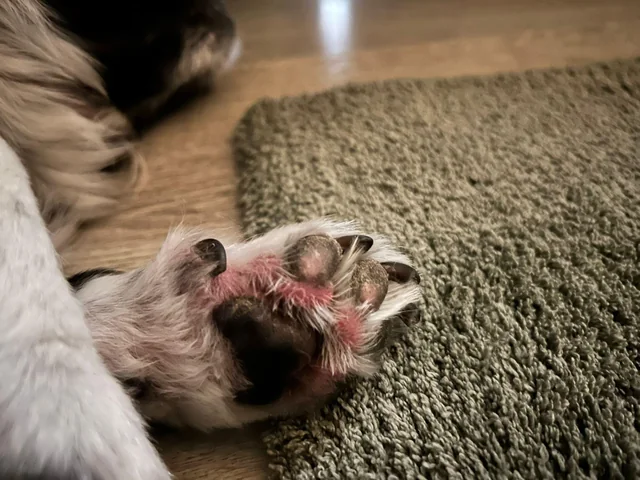
Common concerns about paw biting and chewing in dogsβanswered with clinical clarity. Can't find what you're looking for?
Start Symptom AssessmentSudden paw biting often indicates acute allergic reactions, foreign bodies, or parasitic infestation. A thorough veterinary examination can identify the underlying trigger.
Yes, compulsive paw licking or biting can indicate stress, boredom, or separation anxiety, especially when behavioral triggers are present.
Avoid over-the-counter human products. Your veterinarian may recommend veterinary-approved topical treatments or an Elizabethan collar to prevent self-trauma.
Yes, food hypersensitivities frequently present as localized pruritus affecting the paws, face, and ears. Elimination diets help identify specific triggers.
Seek veterinary care if paw biting persists beyond 48 hours, causes visible redness, swelling, or limping, or is accompanied by systemic signs like fever or appetite changes.