Dog Cancer Symptoms: Clinical Triage Support

Β Understand your dog’s oncological symptoms with clinically grounded AI guidance. Veterinary AI helps you assess urgency and prepare for your in-person vet visit, without replacing professional care.

VETERINARY AI FOR PET OWNERS

Recognizing Cancer Symptoms in Your Dog

Cancer in dogs often presents with subtle, non-specific signs that can easily be attributed to aging or other conditions. Persistent lumps, unexplained weight loss, and chronic non-healing wounds may indicate underlying neoplasia requiring prompt investigation.

While these signs understandably cause concern, objective triage helps you make informed decisions. Veterinary AI provides structured clinical support to help you monitor symptoms and determine when professional care is needed.

Veterinary AI

Assess your dog's oncological symptoms with clinical precision

Common Causes of Dog Cancer Symptoms

Cancer in dogs has multiple origins, ranging from genetic factors to environmental exposures.

Genetic Predisposition

Certain breeds (Golden Retrievers, Boxers, Rottweilers) have higher cancer susceptibility

Benign Tumors (Lipomas)

Non-cancerous fatty growths that are generally harmless but require monitoring for changes

Mast Cell Tumors

Common skin tumors in dogs that can vary from benign to highly aggressive forms

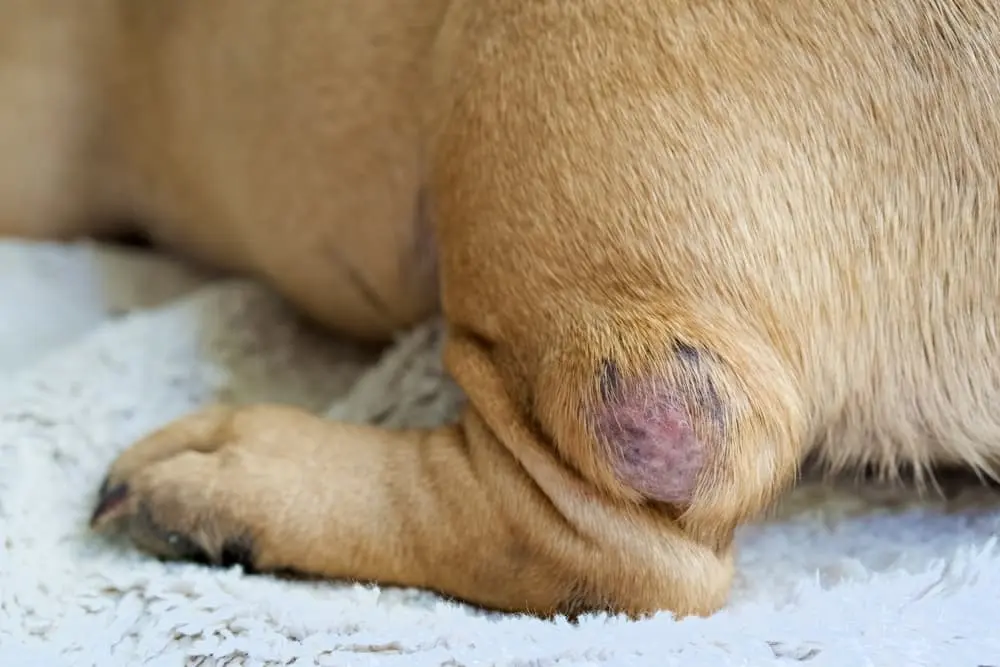
Dog showing signs of cancer requiring clinical assessment

Lymphoma (Lymphosarcoma)

Cancer of the lymphatic system that can affect lymph nodes, spleen, and other organs

Osteosarcoma (Bone Cancer)

Aggressive bone tumor often affecting large breed dogs and causing lameness

Age-Related Neoplastic Risk

Senior dogs have increased cancer risk due to cumulative cellular changes over time

✦ If your dog is showing cancer symptoms and you're uncertain about the severity, take informed action. Veterinary AI delivers real-time clinical triage tailored to your pet's specific presentation, helping you distinguish between benign conditions and signs requiring immediate oncological evaluation with clarity and confidence.

+0
Symptoms analyzed
by pet owners worldwide
+0
Pet owners trusting
AI for their pet's health
0/7
Available anytime
even at 2AM emergencies

Safe Home Care & Monitoring Guidelines

These non-invasive actions help you gather critical clinical data while ensuring your dog's safety and comfort.

Monitor Lumps & Masses

Measure any lumps weekly; note rapid growth, ulceration, bleeding, or changes in texture or color

Track Appetite & Weight

Record daily food intake and weigh weekly; unexplained weight loss despite normal appetite may indicate neoplasia

Observe Energy Levels

Track lethargy, weakness, or exercise intolerance; progressive fatigue may indicate systemic involvement

Check for Bleeding & Discharge

Note any unusual bleeding from masses, gums, or orifices; document color, amount, and frequency

Avoid Unsupervised Medications

Never administer supplements, pain relievers, or home remedies without explicit veterinary prescription

Maintain a Health Diary

Document appetite, weight, energy, lump changes, and bleeding in the Veterinary AI journal for your veterinarian

TESTIMONIALS

OPYNIO Reviews Dog Cancer Symptoms

When Can Veterinary AI Help You and Your Dog?

Timely, clinically-grounded support for every stage of your dog's oncology care journey

Unsure About Severity?

When your dog shows cancer symptoms and you're unsure of the severity, Veterinary AI provides evidence-based triage to distinguish benign conditions from signs requiring immediate oncological evaluation.

Persistent or Escalating?

If a persistent lump, unexplained weight loss, or chronic non-healing wound persists, or your dog develops lethargy, lameness, or bleeding, Veterinary AI helps you assess urgency and compile a detailed clinical timeline for your veterinarian.

Pre-Visit Preparation?

When you need clinically-grounded guidance to manage the next hours safely while preparing the exact history (onset, progression, lump changes, appetite, weight, energy, and bleeding) your veterinarian needs for an informed oncology consultation.

πŸ’‘ Always trust your instincts. If you're concerned about your dog's cancer symptoms, Veterinary AI provides immediate, evidence-based assessment; but never delays seeking emergency care when your dog shows sudden swelling, difficulty breathing, severe bleeding from a mass, collapse, seizures, or acute pain.

When to Seek Immediate Emergency Care

Red flags that require urgent veterinary attention; and how Veterinary AI supports each critical decision when your dog shows cancer symptoms.

Rapidly growing mass or sudden swelling β€” Veterinary AI's instant risk scoring flags this as critical and guides your immediate actions toward emergency oncological evaluation
Difficulty breathing or coughing with a chest mass β€” Instant symptom analysis identifies potential thoracic involvement and escalates urgency for immediate emergency transport
Sudden collapse or severe weakness β€” 24/7 smart triage assesses potential internal bleeding or tumor rupture and recommends immediate emergency care
Seizures or neurological signs with cancer β€” 24/7 smart triage evaluates potential brain metastasis and escalates urgency; immediately recommend emergency consultation
Bleeding from a mass or unexplained hemorrhage β€” Generating an exportable clinical summary report organizes history, bleeding patterns, and progression for your emergency veterinarian
Pale gums or jaundice with cancer symptoms β€” Generating an exportable clinical summary report captures objective data and provides a structured clinical handoff for emergency teams
Dog showing signs of severe cancer needing emergency veterinary care

Monthly

Flexible, cancel anytime

€9.99 /month
AI symptom assessment
Emergency guidance 24/7
Preventive care reminders
Wellness monitoring
Breed-specific health tips
Unlimited conversations
Start monthly plan
SAVE 24%

Annual

Best value for your pet

€90.99 /year

Just €7.58/month

AI symptom assessment
Emergency guidance 24/7
Preventive care reminders
Wellness monitoring
Breed-specific health tips
Unlimited conversations
Priority support
Start annual plan

Veterinary AI provides clinical triage support and educational information based on veterinary data. This service does not constitute a definitive diagnosis, treatment plan or medical advice. It is not a replacement for professional in-person veterinary care. Always consult a licensed veterinarian for diagnosis and treatment decisions. In emergencies, contact your nearest veterinary hospital immediately.

By submitting you agree to our Privacy Policy

Veterinary AI

AI-Powered Pet Care 24/7

More and more pet owners trust Veterinary AI for their pet's health. Get instant AI consultations, track medical records, set vaccine reminders, and access expert guidance β€” all from your phone. No waiting rooms, no appointments. Start now.
FAQ

Frequently Asked
Questions

Everything you need to know about cancer symptoms in dogs and how Veterinary AI can help. Can't find what you're looking for?

Start Symptom Assessment

What are common signs of cancer in dogs?

Common signs include unusual lumps, unexplained weight loss, chronic non-healing wounds, lethargy, lameness, bleeding, and appetite changes.

Can cancer in dogs be treated?

Yes. Treatment options include surgery, chemotherapy, radiation, and immunotherapy depending on the tumor type, location, and stage.

Should I take my dog to the vet for a lump or mass?

Yes. Any new lump, especially if growing rapidly, ulcerating, or changing in texture, requires prompt veterinary evaluation.

What is the difference between a benign and malignant tumor in dogs?

Benign tumors grow locally and do not spread; malignant tumors (cancer) invade surrounding tissue and can metastasize to other organs.

How can I help my dog during cancer treatment?

Provide comfort, maintain appetite with palatable food, follow medication schedules, and ensure regular veterinary follow-up visits.