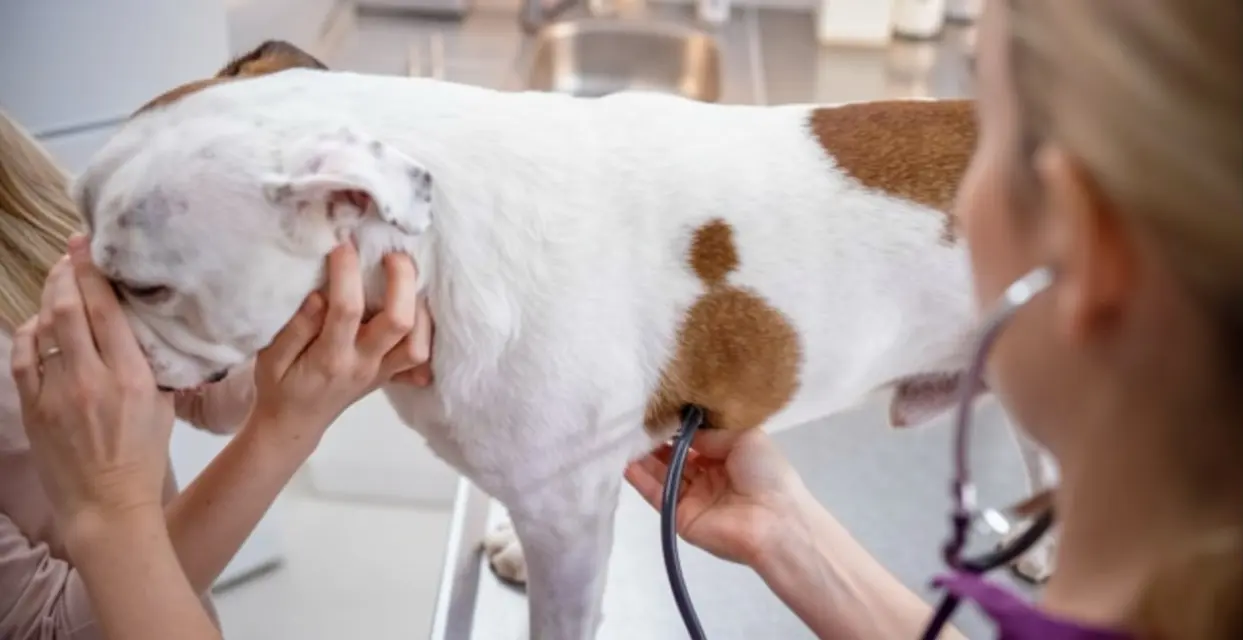
Veterinary AI provides structured, evidence-based support to help you evaluate your dog’s condition objectively, enabling more informed conversations with your veterinarian.
Heartworm disease (Dirofilaria immitis) is a serious and potentially fatal condition caused by parasitic worms residing in the pulmonary arteries and right heart. Clinical manifestations depend on worm burden, duration of infection, and the dog’s immune response; ranging from subtle exercise intolerance to overt respiratory distress.
While receiving a heartworm diagnosis or observing related symptoms can be alarming, most cases are manageable with appropriate veterinary intervention. However, objective monitoring and structured triage are critical; heartworm disease progresses insidiously, and early detection significantly improves treatment outcomes.
Understanding the progression and clinical manifestations of heartworm disease.
Early-Stage Infection
Mild, intermittent cough following exercise; often mistaken for minor respiratory irritation
Moderate Parasite Burden
Persistent cough, exercise intolerance, and occasional fainting episodes after activity
Advanced Disease
Chronic cough, labored breathing at rest, weight loss, and development of a pot-bellied appearance
Heart Failure Signs
Abdominal distension (ascites), liver enlargement, and jugular vein distension indicating right-sided failure
Caval Syndrome
Sudden collapse, dark urine (hemoglobinuria), and severe respiratory distress; a life-threatening emergency
Concurrent Respiratory Conditions
Underlying bronchitis, pneumonia, or pulmonary hypertension may exacerbate or complicate symptoms
✦ If your dog is showing heartworm-related symptoms and you're uncertain about the severity, take informed action. Veterinary AI delivers real-time clinical triage tailored to your pet's specific presentation; helping you distinguish between early-stage infection and signs requiring immediate veterinary evaluation with clarity and confidence.
Clinical Disclaimer: This list is for educational purposes only. A definitive diagnosis requires antigen testing, thoracic imaging, and clinical correlation. Consult your veterinarian for accurate assessment.
Practical, non-invasive measures to support your dog while monitoring heartworm-related symptoms
Resting Respiratory Rate Monitoring
Count breaths per minute while your dog is asleep or resting; document any elevations
Activity Modification
Restrict high-intensity exercise; use short, leashed walks to minimize cardiovascular stress
Cough Observation Log
Document frequency, timing, and triggers of coughing episodes; note any changes in character
Hydration & Nutritional Support
Ensure fresh water is available; maintain a balanced diet to support immune function
Stress Reduction
Minimize environmental stressors; provide a quiet, comfortable resting area away from household activity
Symptom Progression Tracking
Record appetite, energy levels, and any new signs (lethargy, fainting, abdominal swelling)
💡 Never delay emergency care based on home monitoring. Heartworm disease can progress rapidly. If your dog shows labored breathing at rest, collapse, or pale gums, seek immediate veterinary attention regardless of your monitoring observations.
TESTIMONIALS
Timely, clinically-grounded support for every stage of your dog's heartworm assessment journey
When you observe heartworm-related symptoms in your dog (cough, exercise intolerance, or fatigue) and you're uncertain about the urgency, Veterinary AI provides evidence-based guidance to help you distinguish between early-stage infection and situations requiring immediate veterinary attention.
If a persistent cough, exercise intolerance, or fainting episodes continue for more than 48 hours, or your dog exhibits labored breathing, abdominal distension, or any systemic signs, Veterinary AI helps you assess urgency and compile a detailed timeline for your veterinarian.
When you need clinically-grounded guidance to manage your dog while preparing the exact history (symptom onset, cough characteristics, exercise tolerance changes, and accompanying signs) your veterinarian needs for an informed heartworm evaluation and treatment plan.
💡 Always trust your instincts. If you're concerned about your dog's heartworm-related symptoms or overall health, Veterinary AI provides immediate, evidence-based assessment; but never delays seeking emergency care when your dog shows labored breathing at rest, collapse, pale or blue-tinged gums, coughing up blood, or any signs of right-sided heart failure (abdominal distension, fainting episodes).
These warning signs require urgent action, supported by Veterinary AI's core tools.
Labored breathing at rest or respiratory distress is flagged as a high-risk cardiovascular emergency requiring immediate veterinary attention.
Fainting episodes or sudden collapse is identified as a potentially severe cardiovascular event requiring urgent care.
Pale, gray, or blue-tinged gums (cyanosis) is assessed for oxygen deprivation at any hour.
Coughing up blood or dark urine (hemoglobinuria) triggers an elevated urgency assessment for caval syndrome.
Abdominal distension (ascites) or jugular vein distension is compiled into a vet-ready report.
Severe lethargy, anorexia, or signs of right-sided heart failure is documented and exported for rapid emergency handover.
Any of these signs? Do not wait.
Veterinary AI prepares a clinical summary for your veterinarian while you travel, but immediate veterinary attention is essential.
Flexible, cancel anytime
Best value for your pet
Just €7.58/month
Thanks for your interest in Veterinary AI. We'll notify you as soon as your AI consultation is ready. Check your email for confirmation.
More and more pet owners trust Veterinary AI for their pet's health. Get instant AI consultations, track medical records, set vaccine reminders, and access expert guidance — all from your phone. No waiting rooms, no appointments. Start now.
Everything you need to know about heartworm-related symptoms in dogs and how Veterinary AI can help. Can't find what you're looking for?
Start Symptom AssessmentA mild, persistent cough that worsens with exercise and subtle exercise intolerance are often the earliest clinical indicators.
Yes, treatment is available but requires strict cage rest and multiple medication sessions. Prognosis depends on disease severity and overall health.
Diagnosis requires a combination of antigen testing (blood test), microfilariae detection, and thoracic radiographs to assess disease stage.
Yes; a cough that reliably occurs after physical activity warrants veterinary evaluation, as it may indicate heartworm disease or other cardiovascular conditions.
Many dogs recover well with appropriate treatment and follow-up care; however, severity and permanent vascular damage influence long-term prognosis.