Veterinary AI provides objective, evidence-based clinical triage for canine renal symptoms. We help you assess severity and prepare for your veterinarian with clarity and confidence.
Renal symptoms in dogs are clinically significant; they may indicate acute kidney injury, chronic kidney disease, or systemic conditions. Timely, objective assessment is essential to preserve renal function and quality of life.
While kidney disease symptoms can be concerning, not all cases are emergencies. However, objective triage is critical; it helps differentiate stable chronic conditions from acute emergencies requiring immediate veterinary intervention.
Renal symptoms in dogs arise from various underlying conditions, from mild to severe.
Acute Kidney Injury
Sudden damage from toxins, infections, or ischemia causing rapid onset renal failure requiring emergency treatment
Chronic Kidney Disease
Progressive loss of renal function common in senior dogs causing gradual decline and requiring long-term management
Glomerulonephritis
Inflammation of kidney filtering units causing protein loss in urine and progressive renal dysfunction
Pyelonephritis
Bacterial infection of the kidneys causing fever, pain, and requiring antibiotic therapy to prevent permanent damage
Nephrolithiasis
Kidney stones causing obstruction or damage leading to pain, hematuria, and requiring surgical or medical intervention
Congenital Defects
Inherited renal abnormalities like renal dysplasia causing early-onset kidney failure in young dogs
✦ If your dog is showing kidney disease symptoms and you're uncertain about the severity, take informed action. Veterinary AI delivers real-time clinical triage tailored to your pet's specific presentation; helping you distinguish between stable chronic conditions and signs requiring immediate evaluation for acute renal failure or uremic crisis with clarity and confidence.
Practical, medically safe actions to monitor your dog's renal health and overall condition
Monitor Water Intake
Measure daily water consumption; normal is 40-60 ml/kg/day; increased thirst may indicate kidney disease
Track Urine Output
Monitor frequency and volume; note any changes, straining, or blood in urine (hematuria)
Monitor Appetite and Weight
Track daily food intake and weigh weekly; decreased appetite or weight loss may indicate kidney disease
Watch for Vomiting
Record frequency and timing; persistent vomiting may indicate uremia or acute kidney injury
Monitor Energy Levels
Track lethargy, weakness, or exercise intolerance; these may indicate worsening kidney function
Maintain Health Diary
Document water intake, urine output, appetite, weight, vomiting episodes, and energy levels
💡 Kidney disease symptoms require prompt attention. If your dog shows persistent vomiting, severe lethargy, weakness, collapse, or sudden decrease in urine output, seek immediate veterinary care. Do not delay — these may indicate acute kidney injury or uremic crisis. Veterinary AI can help you prepare for emergency care while en route to the hospital.
TESTIMONIALS
Veterinary AI provides clinical clarity at key moments in your dog’s renal health journey.
💡 Kidney disease symptoms require prompt attention. If your dog shows persistent vomiting, severe lethargy, weakness, collapse, or sudden decrease in urine output, do not wait — seek emergency veterinary care immediately. Veterinary AI provides immediate, evidence-based triage while you prepare for transport to the hospital.
These signs demand urgent veterinary evaluation. Veterinary AI helps you assess risk in real time.
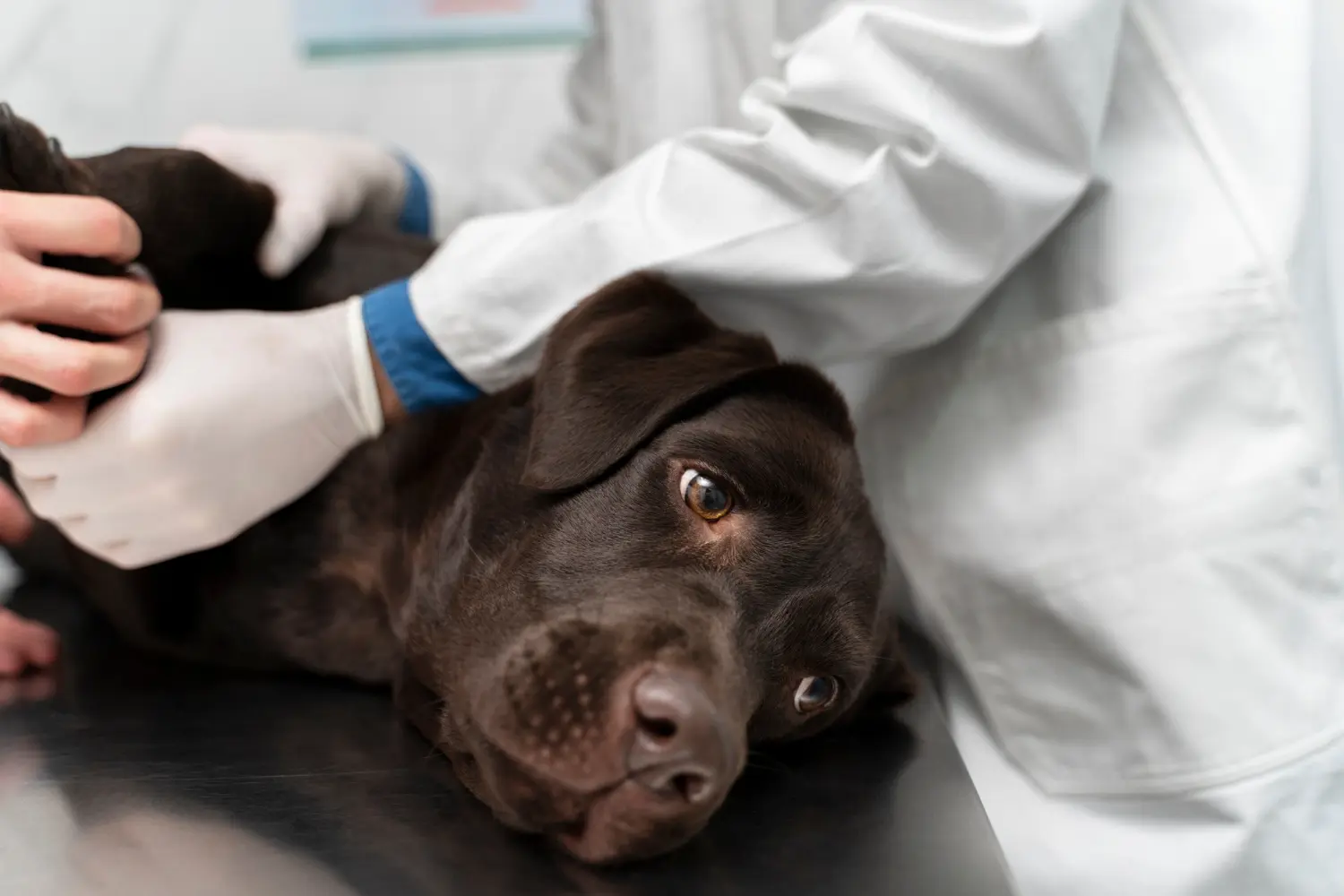
Complete loss of appetite with persistent vomiting. Instant Symptom Analysis and Risk Scoring flag this as critical and guide your immediate actions toward emergency evaluation.
Severe lethargy, weakness, or collapse with renal symptoms. Risk Scoring identifies potential uremic crisis or electrolyte imbalance and prompts an urgent care recommendation.
Seizures or neurological signs with kidney disease. Smart Triage assesses metabolic encephalopathy and recommends immediate emergency transport.
Sudden decrease in urine output or complete anuria. Urgency Level Assessment evaluates acute kidney injury and recommends immediate emergency transport.
Known toxin exposure (antifreeze, grapes, NSAIDs). The exportable Clinical Summary Report documents critical history for emergency handover.
Pale gums or bleeding with renal symptoms. The Clinical Summary Report captures objective data and provides a structured handoff for emergency teams.
Any of these signs? Do not wait.
Veterinary AI prepares a clinical summary for your veterinarian while you travel, but immediate veterinary attention is essential.
Flexible, cancel anytime
Best value for your pet
Just €7.58/month
Veterinary AI provides triage support and educational information. It does not provide medical diagnoses or advice, nor replace in-person veterinary care. Always consult a licensed veterinarian for diagnosis and treatment. In emergencies, contact a veterinary hospital immediately.
Thanks for your interest in Veterinary AI. We'll notify you as soon as your AI consultation is ready. Check your email for confirmation.
More and more pet owners trust Veterinary AI for their pet's health. Get instant AI consultations, track medical records, set vaccine reminders, and access expert guidance — all from your phone. No waiting rooms, no appointments. Start now.

Everything you need to know about kidney disease symptoms in dogs and how Veterinary AI can help. Can't find what you're looking for?
Start Symptom AssessmentCommon signs include increased thirst and urination, weight loss, decreased appetite, vomiting, lethargy, and bad breath.
Yes. Many cases can be managed with dietary changes, medications, and supportive care to slow progression and maintain quality of life.
Yes. Increased thirst can be a sign of kidney disease, diabetes, or other conditions; it requires prompt veterinary evaluation.
Acute kidney injury occurs suddenly and is often reversible; chronic kidney disease is progressive and requires long-term management.
Yes. Prescription renal diets are formulated to reduce kidney workload and support overall health in dogs with kidney disease.