
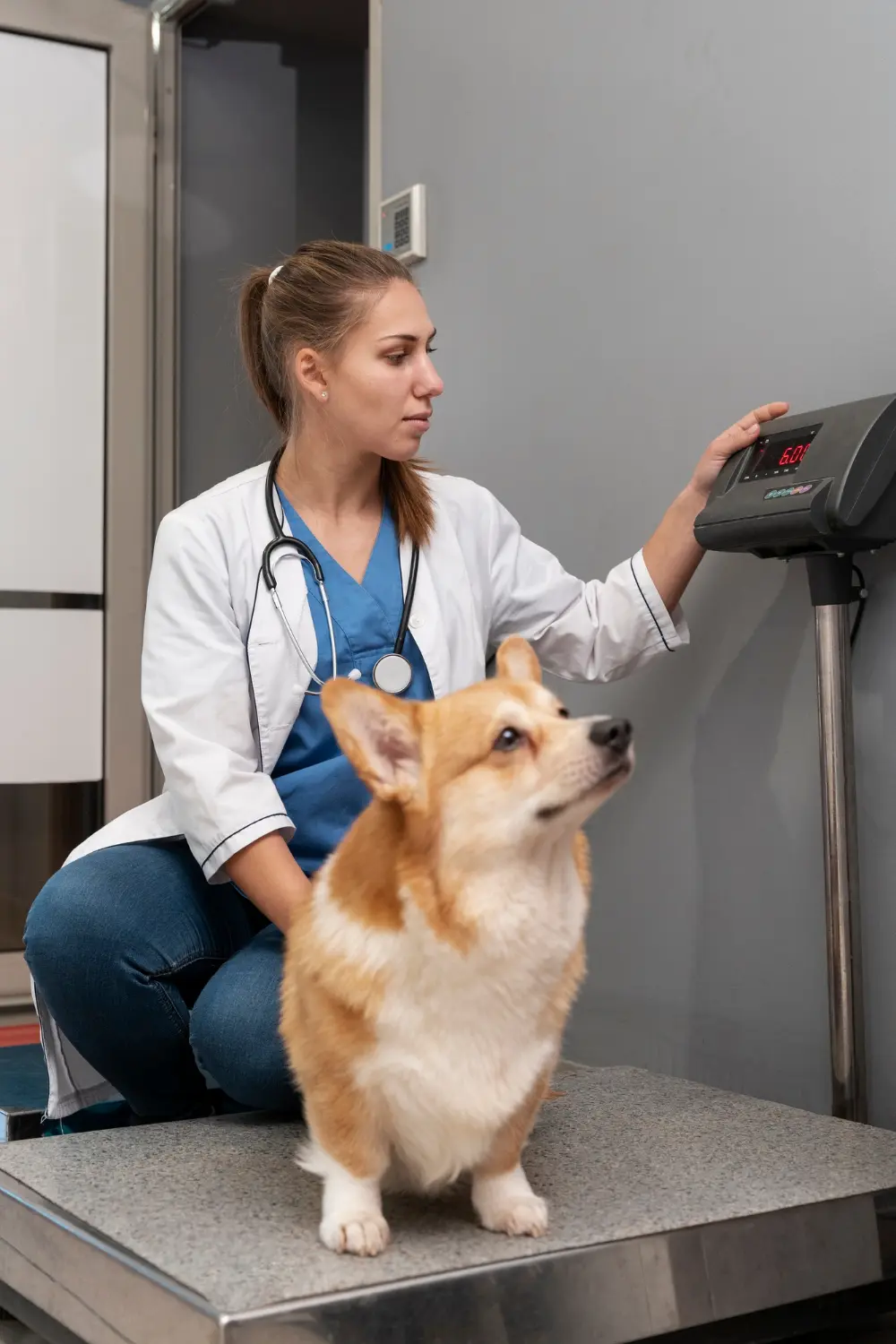
Dog Losing Weight? Clinical AI Triage Support

Your dog’s unexplained weight loss requires objective assessment. Veterinary AI provides clinically-grounded triage support to help you evaluate severity, monitor changes, and prepare for your veterinary consultation—without replacing professional care.

VETERINARY AI FOR PET OWNERS

Understanding Unintentional Weight Loss in Dogs

Unintentional weight loss in dogs is a clinically significant finding that warrants systematic evaluation. This symptom can indicate metabolic disorders, gastrointestinal dysfunction, endocrinopathies, or other underlying pathologies requiring diagnostic investigation.

While weight loss often signals a treatable condition, early detection and objective monitoring directly influence clinical outcomes. Veterinary AI helps you track changes systematically, providing structured data for your veterinarian—allowing you to act with clarity, not fear.

Veterinary AI

Get personalized guidance for your pet's symptoms

Common Causes of Dog Losing Weight

Understanding potential underlying factors helps you prepare for your veterinary consultation.

Behavioral or Dietary Factors

Increased thirst from warm weather, exercise, or dry food consumption; typically self-limiting.

Psychogenic Polydipsia

Compulsive water drinking behavior often linked to stress or boredom; requires behavioral assessment.

Diabetes Mellitus

Insufficient insulin production causing elevated blood glucose and osmotic diuresis; common in middle-aged dogs.

Chronic Kidney Disease

Progressive loss of renal function leading to impaired urine concentration; more prevalent in senior dogs.

Cushing's Syndrome

Overproduction of cortisol causing polydipsia, polyuria, and increased appetite; affects older dogs.

Addison's Disease or Electrolyte Imbalance

Adrenal insufficiency disrupting fluid and electrolyte balance; requires immediate endocrinological evaluation.

If your dog is losing weight and you’re unsure of the severity, Veterinary AI provides real-time clinical triage—helping you distinguish between dietary causes and conditions requiring urgent care with clarity and confidence.

+0
Symptoms analyzed
by pet owners worldwide
+0
Pet owners trusting
AI for their pet's health
0/7
Available anytime
even at 2AM emergencies
Person caring for dog at home and monitoring weight

Safe Home Care & Monitoring Guidelines

Clinically safe, non-invasive steps you can take immediately to assess your dog's weight loss, provide comfort, and gather the exact information your veterinarian needs.

Weigh your dog weekly at the same time (morning, after urination) using a reliable scale: document each measurement
Record daily food intake: measure exact portions served and estimate percentage consumed. Note appetite changes (increased, decreased, or normal)
Measure and document daily water consumption: exactly how much your dog drinks in a 24-hour period
Monitor stool consistency and urination frequency: record any diarrhea, constipation, or increased urine output
Track energy levels and activity: note play engagement, walking distance, resting patterns, and any lethargy or weakness
Create a clinical timeline: document all observations with dates. This chronological record is critical for your veterinarian's diagnostic process

TESTIMONIALS

OPYNIO Reviews Dog Losing Weight

WHEN CAN VETERINARY AI HELP YOU AND YOUR DOG?

Veterinary AI provides clinically-grounded guidance at every stage of your dog’s weight loss journey—from initial concern to preparing for your veterinary consultation

Unsure About Severity?

When your dog is losing weight and you're uncertain about the severity, Veterinary AI provides evidence-based triage to distinguish benign fluctuations from signs requiring urgent diagnostic evaluation.

Persistent or Worsening?

If weight loss persists beyond two weeks or your dog shows appetite changes, increased thirst, vomiting, or lethargy, Veterinary AI helps you compile a timeline and severity score for your veterinarian.

Pre-Visit Preparation?

When you need clinically-grounded guidance to manage the next hours safely while preparing the exact history—weight loss timeline, appetite changes, water intake, and associated signs—your veterinarian needs for an informed consultation.

When to Seek Immediate Emergency Care

Red flags that require urgent veterinary attention — and how Veterinary AI supports each critical decision.

Rapid weight loss (over 10% body weight in 7 days): Veterinary AI's instant risk scoring flags rapid weight loss as a critical indicator requiring immediate diagnostic evaluation
Weight loss with persistent vomiting or diarrhea: Instant symptom analysis identifies combinations of signs that may indicate gastrointestinal obstruction, pancreatic disease, or metabolic crisis
Lethargy, collapse, or difficulty standing: 24/7 smart triage provides real-time guidance for emergency decision-making when systemic weakness accompanies weight loss
Difficulty breathing or pale gums: Smart triage flags these critical signs immediately, recommending emergency transport without delay when weight loss is also present
Abdominal pain or distension: 24/7 smart triage factors combinations of symptoms to recommend appropriate care settings when weight loss is accompanied by gastrointestinal signs
Exportable Clinical Summary Report: Generate a comprehensive log of weight measurements, appetite changes, water intake, and timeline observations to provide your emergency veterinarian immediately upon arrival
Dog showing signs requiring emergency veterinary care
Start Symptom Assessment

Monthly

Flexible, cancel anytime

€9.99 /month
AI symptom assessment
Emergency guidance 24/7
Preventive care reminders
Wellness monitoring
Breed-specific health tips
Unlimited conversations
Start monthly plan
SAVE 24%

Annual

Best value for your pet

€90.99 /year

Just €7.58/month

AI symptom assessment
Emergency guidance 24/7
Preventive care reminders
Wellness monitoring
Breed-specific health tips
Unlimited conversations
Priority support
Start annual plan

Veterinary AI provides clinical triage and educational info. This platform does NOT provide a definitive diagnosis, treatment plan, or professional medical opinion. Content supports, not replaces, in-person veterinary care. If your dog shows distress, severe symptoms, or acute changes, contact an emergency clinic immediately. Always consult your vet regarding your dog’s health and treatment needs.
By submitting you agree to our Privacy Policy

Veterinary AI

AI-Powered Pet Care 24/7

More and more pet owners trust Veterinary AI for their pet's health. Get instant AI consultations, track medical records, set vaccine reminders, and access expert guidance — all from your phone. No waiting rooms, no appointments. Start now.

FAQ

Frequently Asked
Questions

Everything you need to know about unexplained weight loss in dogs and how Veterinary AI can help. Can't find what you're looking for?

Contact Us

How much weight loss in a dog is concerning?

Any unintentional weight loss exceeding 5-10% of body weight over 1-3 months warrants veterinary investigation. Weekly weight tracking helps detect trends early.

Can stress cause weight loss in dogs?

Yes, significant environmental changes or anxiety can reduce appetite and cause weight loss. However, medical causes should always be ruled out first.

My senior dog is losing weight but eating normally—why?

Normal appetite with weight loss may indicate malabsorption, endocrine disorders, or organ dysfunction. Veterinary bloodwork and diagnostics are recommended.

What tests will the vet run for unexplained weight loss?

Your veterinarian will typically perform complete bloodwork, biochemistry panel, thyroid testing, urinalysis, and may recommend imaging or specific hormone tests.

Is weight loss in dogs always a sign of something serious?

Not always—dietary changes or temporary appetite reduction can cause mild fluctuations. However, persistent or progressive weight loss warrants professional evaluation.