Dog Parvovirus Symptoms: Clinical Triage Support

Subtitle:Β Veterinary AI provides objective, evidence-based symptom assessment to help you understand your dog’s condition and communicate effectively with your veterinarian.

VETERINARY AI FOR PET OWNERS

Understanding Canine Parvovirus: What Your Dog's Symptoms May Indicate

Canine parvovirus is a highly contagious viral infection that targets rapidly dividing cells, particularly in the intestinal tract and bone marrow. This leads to severe gastroenteritis, immunosuppression, and potentially fatal dehydration. Common signs include vomiting, hemorrhagic diarrhea, lethargy, and profound anorexia.

Β While these symptoms are alarming, early recognition and immediate veterinary intervention are critical for survival. Veterinary AI helps you document symptom progression objectively, providing structured data that supports your veterinarian’s diagnostic process without replacing professional clinical judgment.

Veterinary AI

Assess your dog's symptoms with clinical precision

Common Causes of Canine Parvovirus Symptoms

Parvovirus symptoms arise from viral infection and related complications.

Parvovirus Infection

Highly contagious viral pathogen attacking intestinal crypt cells and bone marrow

Inadequate Vaccination

Unvaccinated or incompletely vaccinated puppies are at highest risk of infection

Environmental Exposure

Contact with contaminated feces, soil, or surfaces where infected dogs have been

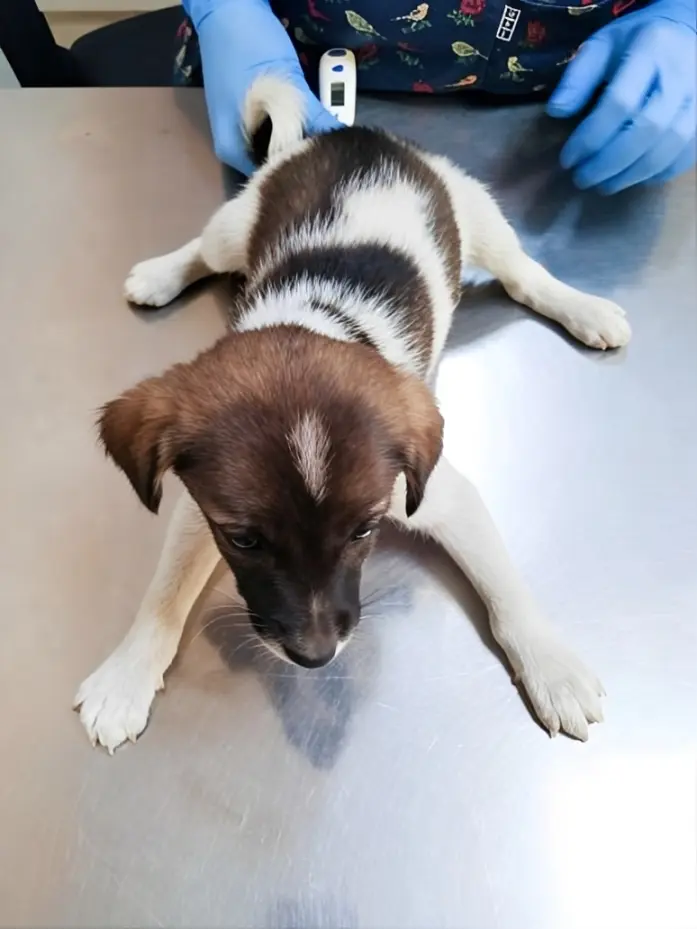
Dog showing signs of parvovirus requiring clinical assessment

Age Susceptibility

Puppies under 6 months and immunocompromised dogs are most vulnerable to infection

Breed Predisposition

Certain breeds (Rottweilers, Dobermans, German Shepherds) show increased susceptibility

Secondary Infections

Bacterial translocation due to damaged intestinal barrier causes systemic sepsis

✦ If your dog is showing parvovirus symptoms and you're uncertain about the severity, take informed action. Veterinary AI delivers real-time clinical triage tailored to your pet's specific presentation; helping you distinguish between signs requiring immediate emergency care and conditions that may need monitoring with clarity and confidence.

+0
Symptoms analyzed
by pet owners worldwide
+0
Pet owners trusting
AI for their pet's health
0/7
Available anytime
even at 2AM emergencies

Safe Home Care & Monitoring Guidelines

Practical, non-invasive actions to support your dog's condition and track symptom progression

Immediate Veterinary Contact

This condition requires professional evaluation; do not delay seeking veterinary care

Isolation Protocol

Keep your dog isolated from other dogs; parvovirus is highly contagious to unvaccinated animals

Hydration Monitoring

Check skin elasticity and gum moisture; severe dehydration requires IV fluid therapy

Symptom Documentation

Record frequency of vomiting, diarrhea (color, consistency, blood presence), and appetite

No Self-Medication

Never administer anti-diarrheal medications or human drugs without veterinary supervision

Environmental Sanitization

Use bleach solution (1:32 dilution) to disinfect surfaces where your dog has been

πŸ’‘ Parvovirus is a medical emergency. Do not attempt to treat this condition at home. Immediate veterinary hospitalization is essential for survival. Never administer anti-diarrheal medications, anti-emetics, or any human drugs without veterinary supervision. These products can be harmful and may mask critical symptoms. Always consult your vet immediately if you suspect parvovirus.

TESTIMONIALS

OPYNIO Reviews Dog Parvovirus Symptoms

When Can Veterinary AI Help You and Your Dog?

Timely, clinically-grounded support for every stage of your dog's symptom evaluation

Unsure About Severity?

When your dog shows parvovirus symptoms and you're unsure of the severity, Veterinary AI provides evidence-based triage to distinguish mild gastrointestinal upset from signs requiring immediate emergency care.

Persistent or Escalating?

If vomiting or diarrhea persists, or your dog shows lethargy, fever, blood in stool, or systemic signs, Veterinary AI helps you assess urgency and compile a timeline for your vet.

Pre-Visit Preparation?

When you need clinically-grounded guidance to manage the next hours safely while preparing the exact history (onset, progression, vaccination status, and accompanying signs) your veterinarian needs for an informed diagnostic and treatment plan.

πŸ’‘ Parvovirus requires immediate veterinary attention. If you're concerned about your dog's symptoms, Veterinary AI provides immediate, evidence-based assessment; but never delays seeking emergency care when your dog shows bloody diarrhea, persistent vomiting, severe lethargy, fever, or signs of dehydration such as tented skin or dry gums.

When to Seek Immediate Emergency Care

These signs demand urgent veterinary evaluation. Veterinary AI helps you assess risk in real time.
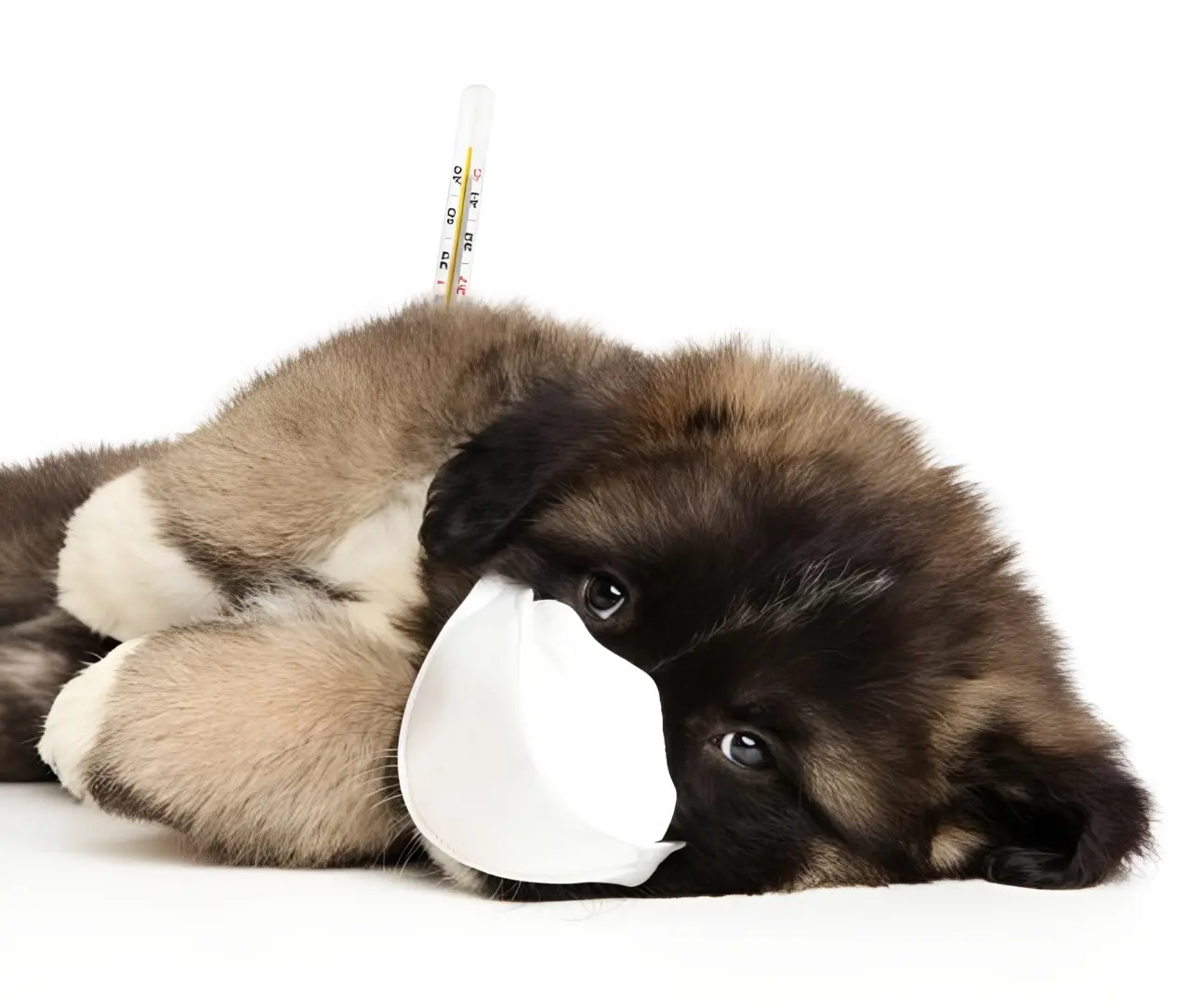
Dog with severe parvovirus symptoms requiring emergency veterinary care

Bloody diarrhea with vomiting and anorexia. Instant Symptom Analysis and Risk Scoring flag these as critical and guide your immediate actions toward emergency evaluation.

Lethargy or collapse with gastrointestinal signs. Risk Scoring identifies potentially fatal viral infection and prompts an urgent care recommendation.

Severe dehydration (tented skin, dry gums). Smart Triage determines fluid deficit severity and recommends immediate emergency transport.

Abdominal pain or distension with vomiting. Urgency Level Assessment evaluates gastrointestinal compromise and recommends immediate veterinary contact.

Known parvovirus exposure in unvaccinated dog. The exportable Clinical Summary Report documents exposure history and symptom timeline for emergency handover.

Fever (over 103Β°F) with gastrointestinal symptoms. The Clinical Summary Report compiles comprehensive symptom data for rapid emergency evaluation.

Any of these signs? Do not wait.

Veterinary AI prepares a clinical summary for your veterinarian while you travel, but immediate veterinary attention is essential.

Start Symptom Assessment

Monthly

Flexible, cancel anytime

€9.99 /month
AI symptom assessment
Emergency guidance 24/7
Preventive care reminders
Wellness monitoring
Breed-specific health tips
Unlimited conversations
Start monthly plan
SAVE 24%

Annual

Best value for your pet

€90.99 /year

Just €7.58/month

AI symptom assessment
Emergency guidance 24/7
Preventive care reminders
Wellness monitoring
Breed-specific health tips
Unlimited conversations
Priority support
Start annual plan
Veterinary AI provides triage, education, and clinical data based on symptoms. It does not diagnose, prescribe, or replace professional care. All clinical decisions require in-person evaluation by a licensed veterinarian. This service supports, but does not substitute, the veterinarian-client-patient relationship.

By submitting you agree to our Privacy Policy

Veterinary AI

AI-Powered Pet Care 24/7

More and more pet owners trust Veterinary AI for their pet's health. Get instant AI consultations, track medical records, set vaccine reminders, and access expert guidance β€” all from your phone. No waiting rooms, no appointments. Start now.
FAQ

Frequently Asked
Questions

Everything you need to know about parvovirus symptoms in dogs and how Veterinary AI can help. Can't find what you're looking for?

Start Symptom Assessment

What are the first signs of parvo in dogs?

Early signs include severe vomiting, bloody diarrhea, lethargy, and complete loss of appetite. These symptoms require immediate veterinary attention.

Can a dog survive parvo without treatment?

Survival without treatment is extremely unlikely; mortality rates exceed 90%. With prompt veterinary care, survival rates improve significantly (over 80%).

Is parvo contagious to other dogs?

Yes, parvovirus is highly contagious through fecal-oral transmission. It can survive in the environment for months and infect unvaccinated dogs.

What age are dogs most at risk for parvo?

Puppies between 6 weeks and 6 months are most susceptible, especially those not fully vaccinated. Some breeds like Rottweilers and Dobermans show increased risk.

How quickly does parvo kill a dog?

Without treatment, death can occur within 48-72 hours due to severe dehydration, sepsis, or organ failure. Immediate veterinary care is absolutely essential.