Dog Hypothyroidism Symptoms: Clinical Triage Support

 Veterinary AI provides objective, evidence-based symptom assessment to help you understand your dog’s condition and communicate effectively with your veterinarian.

VETERINARY AI FOR PET OWNERS

Understanding Canine Hypothyroidism: What Your Dog's Symptoms May Indicate

 Hypothyroidism is an endocrine disorder characterized by insufficient production of thyroid hormones (T4 and T3). This deficiency leads to a generalized slowing of metabolic processes, affecting multiple organ systems. Common signs include weight gain, lethargy, hair loss, and skin changes.

 While these symptoms can be concerning, early recognition and appropriate management are essential for optimal outcomes. Veterinary AI helps you document symptom progression objectively, providing structured data that supports your veterinarian’s diagnostic process without replacing professional clinical judgment.

Veterinary AI

Assess your dog's symptoms with clinical precision

Common Causes of Canine Hypothyroidism Symptoms

Hypothyroidism symptoms arise from thyroid dysfunction and related metabolic factors.

Autoimmune Thyroiditis

Immune-mediated destruction of thyroid tissue leads to hormone deficiency

Idiopathic Atrophy

Spontaneous thyroid gland degeneration without identifiable underlying cause

Congenital Defects

Inherited thyroid abnormalities present from birth or early development

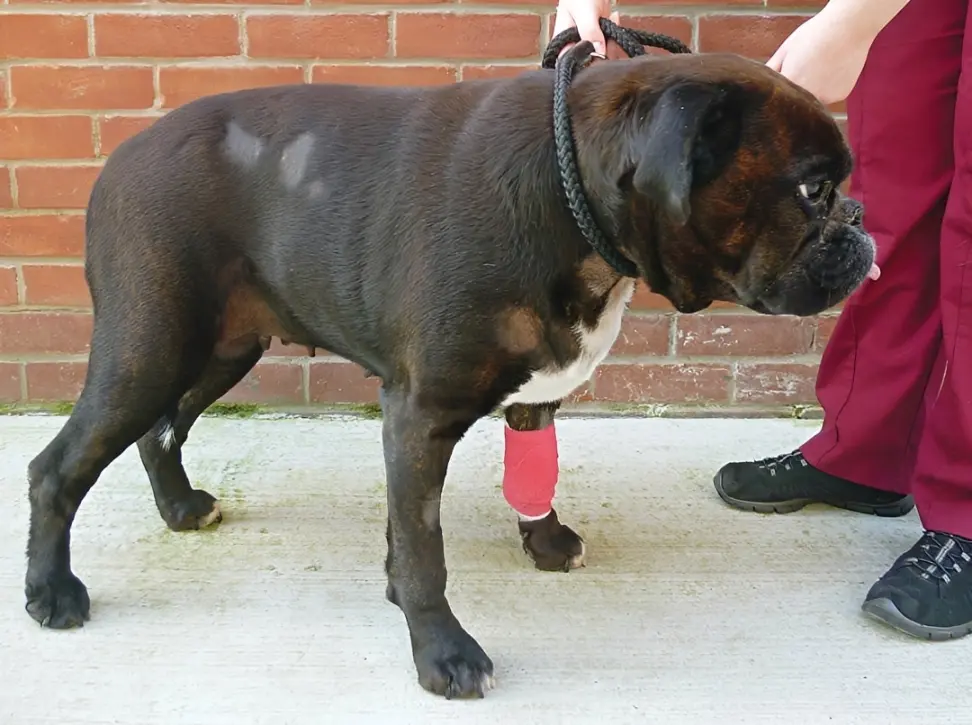
Dog showing signs of hypothyroidism requiring clinical assessment

Iodine Deficiency

Inadequate dietary iodine impairs thyroid hormone synthesis and production

Medication-Induced

Certain drugs can suppress thyroid function as a side effect

Secondary Hypothyroidism

Pituitary or hypothalamic dysfunction reduces thyroid stimulation

If your dog is showing hypothyroidism symptoms and you're uncertain about the severity, take informed action. Veterinary AI delivers real-time clinical triage tailored to your pet's specific presentation; helping you distinguish between benign metabolic changes and signs requiring immediate evaluation with clarity and confidence.

+0
Symptoms analyzed
by pet owners worldwide
+0
Pet owners trusting
AI for their pet's health
0/7
Available anytime
even at 2AM emergencies

Safe Home Care & Monitoring Guidelines

Practical, non-invasive actions to support your dog's condition and track symptom progression

Monitor Weight Regularly

Track body weight weekly and record any changes for veterinary review

Document Skin and Coat Changes

Note hair loss patterns, skin texture, and any new lesions or discoloration

Observe Energy Levels

Record daily activity, exercise tolerance, and any behavioral changes

Maintain Consistent Routine

Regular feeding and exercise schedules support metabolic stability

Avoid Self-Medication

Never give supplements or medications without veterinary guidance

Schedule Veterinary Evaluation

Consult your vet for comprehensive thyroid testing and diagnosis

💡 Never administer thyroid supplements or medications without veterinary supervision. Over-supplementation can cause serious side effects including hyperthyroidism and cardiac complications. Always consult your vet for proper diagnosis and treatment.

TESTIMONIALS

OPYNIO Reviews Dog Hypothyroidism Symptoms

When Can Veterinary AI Help You and Your Dog?

Timely, clinically-grounded support for every stage of your dog's health journey

Unsure About Severity?

When your dog shows hypothyroidism symptoms and you're unsure of the severity, Veterinary AI provides evidence-based triage to distinguish benign metabolic changes from signs requiring immediate veterinary evaluation.

Persistent or Escalating?

If weight gain, lethargy, or skin changes persist for more than 2 weeks, or your dog shows cold intolerance, hair loss, or behavioral changes, Veterinary AI helps you assess urgency and compile a timeline for your vet.

Pre-Visit Preparation?

When you need clinically-grounded guidance to manage the next weeks safely while preparing the exact history (onset, progression, weight changes, skin and coat condition, and accompanying signs) your veterinarian needs for an informed diagnostic and treatment plan.

💡 Always trust your instincts. If you're concerned about your dog's health, Veterinary AI provides immediate, evidence-based assessment; but never delays seeking emergency care when your dog shows collapse, difficulty breathing, severe lethargy, hypothermia, or any neurological signs.

When to Seek Immediate Emergency Care

These warning signs require urgent action, supported by Veterinary AI's core tools.

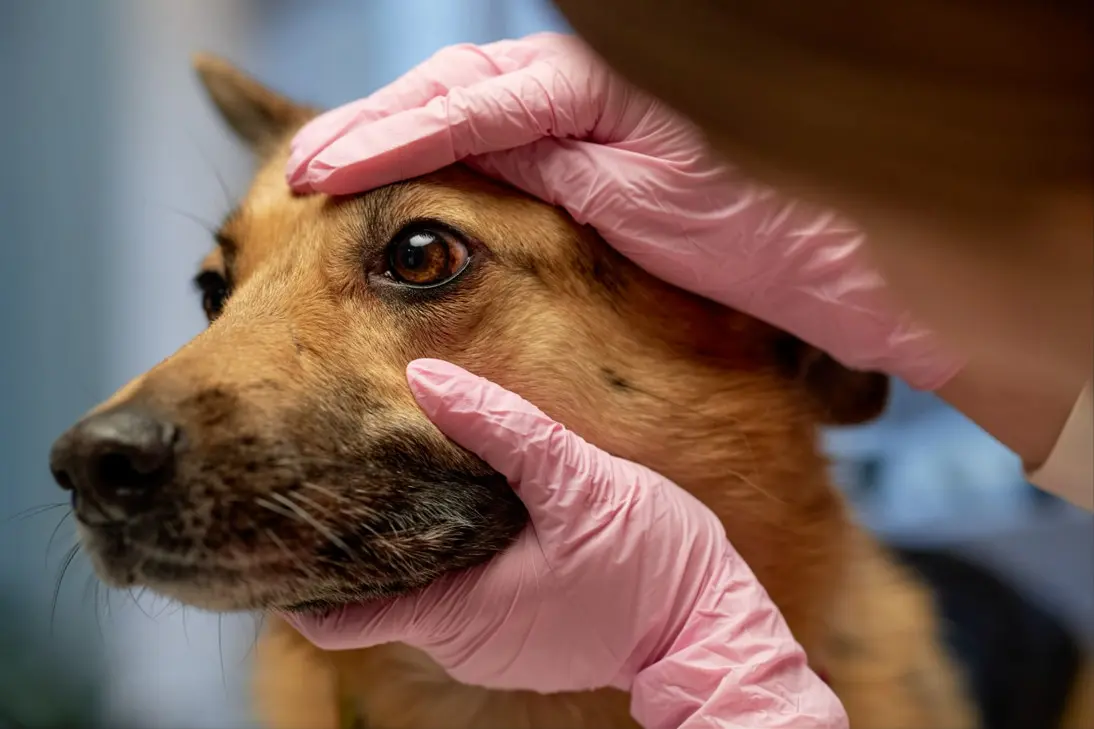
Emergency signs of dog hypothyroidism requiring veterinary care
Instant Symptom Analysis & Risk Scoring

Severe lethargy or collapse with hypothyroid symptoms is flagged as a potential myxedema coma requiring immediate emergency attention.

Instant Symptom Analysis & Risk Scoring

Difficulty breathing or respiratory distress with thyroid symptoms is identified as a potentially life-threatening condition requiring urgent care.

24/7 Smart Triage & Urgency Assessment

Hypothermia (temperature below 99°F) with severe lethargy is assessed for metabolic crisis at any hour.

24/7 Smart Triage & Urgency Assessment

Seizures or neurological signs with thyroid symptoms trigger an elevated urgency assessment.

Exportable Clinical Summary Report

Known hypothyroidism with sudden symptom worsening is compiled into a vet-ready report.

Exportable Clinical Summary Report

Bradycardia or cardiovascular signs with hypothyroid symptoms are documented and exported for rapid emergency handover.

Any of these signs? Do not wait.

Veterinary AI prepares a clinical summary for your veterinarian while you travel, but immediate veterinary attention is essential.

Start Symptom Assessment

Monthly

Flexible, cancel anytime

€9.99 /month
AI symptom assessment
Emergency guidance 24/7
Preventive care reminders
Wellness monitoring
Breed-specific health tips
Unlimited conversations
Start monthly plan
SAVE 24%

Annual

Best value for your pet

€90.99 /year

Just €7.58/month

AI symptom assessment
Emergency guidance 24/7
Preventive care reminders
Wellness monitoring
Breed-specific health tips
Priority support
Start annual plan
Veterinary AI provides clinical triage support and educational information; it does not constitute a diagnosis, treatment plan, or substitute for professional, in-person veterinary care.

By submitting you agree to our Privacy Policy

Veterinary AI

AI-Powered Pet Care 24/7

More and more pet owners trust Veterinary AI for their pet's health. Get instant AI consultations, track medical records, set vaccine reminders, and access expert guidance — all from your phone. No waiting rooms, no appointments. Start now.
FAQ

Frequently Asked
Questions

Everything you need to know about hypothyroidism symptoms in dogs and how Veterinary AI can help. Can't find what you're looking for?

Start Symptom Assessment

What are the first signs of hypothyroidism in dogs?

Early signs include weight gain without appetite increase, lethargy, hair loss (especially on the trunk), and skin changes like flakiness or darkening.

Can hypothyroidism in dogs be cured?

Hypothyroidism is not curable but is manageable with lifelong thyroid hormone replacement therapy. Most dogs respond well to treatment.

What breeds are most affected by hypothyroidism?

Golden Retrievers, Doberman Pinschers, Labrador Retrievers, Irish Setters, and Cocker Spaniels have higher predisposition to the condition.

How is hypothyroidism diagnosed in dogs?

Diagnosis requires a comprehensive thyroid panel (total T4, free T4, TSH) and often a complete blood count and biochemistry profile to rule out other conditions.

What happens if hypothyroidism in dogs goes untreated?

Untreated hypothyroidism can lead to severe complications including obesity, skin infections, neurological dysfunction, and myxedema coma.