Fish Bloated Belly? Clinical Triage for Abdominal Distension

Understand the clinical significance of abdominal swelling in your fish. Our AI-powered triage helps you assess severity and determine the right next steps, while always respecting the veterinarian’s central role in diagnosis and treatment.

VETERINARY AI FOR PET OWNERS

Understanding Abdominal Distension in Fish: A Clinically Relevant Symptom

Abdominal bloating in fish is a clinically significant sign that may indicate fluid accumulation (dropsy/ascites), organomegaly, constipation, intestinal impaction, parasitic infestation, or bacterial infection. This symptom often signals underlying systemic disease requiring prompt evaluation.

While a bloated belly can be alarming, not every instance indicates a critical emergency. Dietary causes (constipation, overfeeding) are common and often reversible. However, objective monitoring and structured triage remain essential. Veterinary AI provides a calm, data-informed framework to help you assess urgency and prepare meaningful information for your aquatic veterinarian.

Veterinary AI

Assess your fish's abdominal bloating with clinical precision

Common Causes of Fish Not Eating

Appetite loss in fish may stem from environmental, behavioral, or pathological factors.

Constipation or Overfeeding

Accumulation of undigested food causes temporary bloating; often resolves with fasting and high-fiber foods.

Intestinal Parasites

Nematodes or cestodes cause distension, weight loss despite feeding, and stringy feces.

Organomegaly (Liver/Kidney Enlargement)

Cysts, tumors, or polycystic kidney disease can cause unilateral or bilateral abdominal swelling.

Reproductive Causes (Egg-Binding)

Female fish may become distended with eggs; usually self-limiting but can lead to dystocia.

Dropsy (Ascites)

Fluid accumulation in the body cavity; often indicates renal failure or bacterial infection; raised scales (pineconing) are a hallmark sign.

Bacterial Infection (Aeromonas, Pseudomonas)

Systemic infection causing organ enlargement, ascites, and lethargy; often secondary to poor water quality.

+0
Symptoms analyzed
by pet owners worldwide
+0
Pet owners trusting
AI for their pet's health
0/7
Available anytime
even at 2AM emergencies
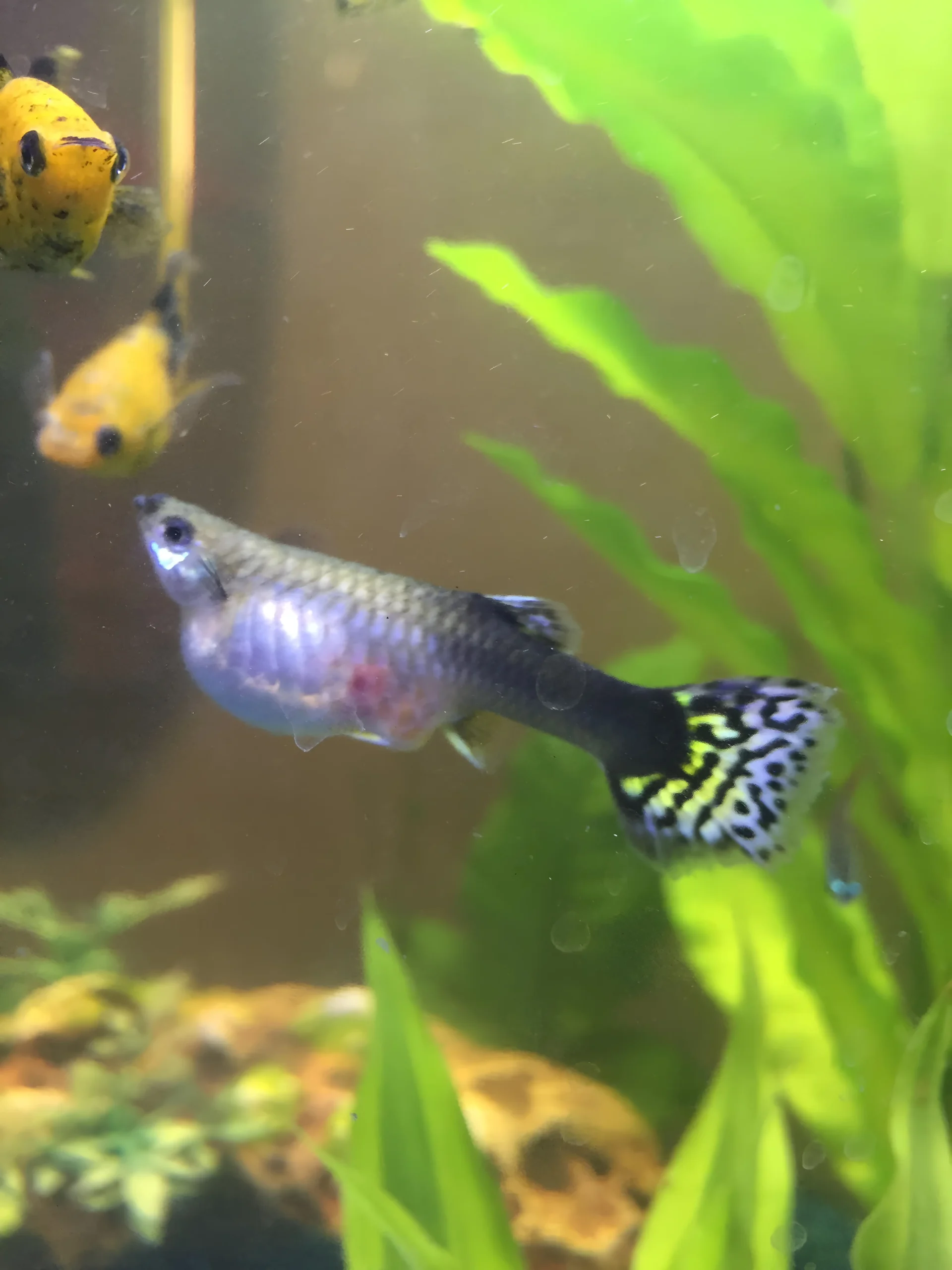
Fish with severe abdominal bloating and pineconing requiring immediate aquatic veterinary care

When to Seek Immediate Emergency Care

Red flags that require urgent aquatic veterinary attention when your fish shows abdominal bloating; and how Veterinary AI supports each critical decision.

Severe Abdominal Swelling with Pineconing

Instant Risk Scoring flags advanced dropsy requiring immediate aquatic veterinary intervention

Labored Breathing or Gasping at Surface

Risk Scoring prioritizes respiratory compromise and organ failure; urgent care required

Bloating with Complete Anorexia for >48 Hours

24/7 Smart Triage escalates to critical urgency for systemic support; immediate vet visit required

Bloating with Severe Lethargy or Unresponsiveness

Urgency Assessment recommends immediate evaluation for sepsis or organ failure

Bloating with Skin Ulceration, Redness, or Hemorrhagic Spots

Exportable Report documents lesion progression and infection signs for your aquatic veterinarian

Mass Mortality or Multiple Fish Affected Simultaneously

Exportable Report captures all observations for your emergency aquatic veterinarian; seek care now

🚨 These signs require immediate in-person aquatic veterinary care. Veterinary AI is not a substitute for emergency medical attention. If your fish shows any of these red flags alongside a bloated belly, do not delay; seek emergency aquatic veterinary care immediately.

TESTIMONIALS

OPYNIO Reviews Fish Bloated Belly

When Can Veterinary AI Help You and Your Fish?

Veterinary AI provides clinical triage support for abdominal bloating and distension in aquarium fish.

When your fish develops a bloated belly

When your fish stops eating and you are uncertain whether this is a benign behavioral change, a response to environmental stress, or an early warning sign of systemic disease requiring veterinary evaluation.

Unsure About Severity?

When your fish stops eating and you are uncertain whether this is a benign behavioral change, a response to environmental stress, or an early warning sign of systemic disease requiring veterinary evaluation.

Signs of Deterioration?

When your fish stops eating and you are uncertain whether this is a benign behavioral change, a response to environmental stress, or an early warning sign of systemic disease requiring veterinary evaluation.

Lorem ipsum dolor sit amet, consectetur adipiscing elit. Ut elit tellus, luctus nec ullamcorper mattis, pulvinar dapibus leo.

prevention protocol

Long-term management for fish bloated belly

Feed rotation

Alternate between dry pellets, frozen protein (krill, mysis), and vegetable matter (spirulina, nori) to ensure balanced nutrition and prevent dietary stagnation.

Portion control

Offer only what is consumed within 2 minutes, twice daily for juveniles; once daily or every other day for adults.

Water quality monitoring

Perform weekly 20-30% water changes to maintain nitrate below 20 ppm and prevent immunosuppression.

Quarantine protocol

Isolate all new acquisitions for a minimum of 4 weeks with prophylactic observation before introducing to the display system.

Routine fecal screening

Periodically examine fecal samples microscopically in high-risk species (wild-caught or community tanks) to detect subclinical parasitism.

Monthly

Flexible, cancel anytime

€9.99 /month
AI symptom assessment
Emergency guidance 24/7
Preventive care reminders
Wellness monitoring
Breed-specific health tips
Unlimited conversations
Start monthly plan
SAVE 24%

Annual

Best value for your pet

€90.99 /year

Just €7.58/month

AI symptom assessment
Emergency guidance 24/7
Preventive care reminders
Wellness monitoring
Breed-specific health tips
Priority support
Start annual plan
Veterinary AI provides clinical triage support and educational information; it does not constitute a diagnosis, treatment plan, or substitute for professional, in-person veterinary care.

By submitting you agree to our Privacy Policy

Veterinary AI

AI-Powered Pet Care 24/7

More and more pet owners trust Veterinary AI for their pet's health. Get instant AI consultations, track medical records, set vaccine reminders, and access expert guidance — all from your phone. No waiting rooms, no appointments. Start now.
FAQ

Frequently Asked
Questions

Everything you need to know about bloated belly in aquarium fish and how Veterinary AI can help. Can't find what you're looking for?

Start Bloat Assessment

What causes a bloated belly in fish?

Causes range from overfeeding and constipation to serious conditions like dropsy (fluid retention), bacterial infections, parasitic infestations, tumors, or organ failure. A proper diagnosis requires evaluating water quality, behavior, and additional symptoms.

How can I tell if bloating is dropsy or just overfeeding?

Dropsy is characterized by erect scales (pinecone appearance), protruding eyes, and lethargy. Overfeeding causes temporary, soft distension that typically resolves within 12-24 hours without scale changes.

What should I do first if my fish has a bloated belly?

Fast the fish for 48-72 hours and monitor water parameters. If swelling reduces, it was likely dietary. If symptoms persist or worsen (scale erection, lethargy), consider Epsom salt baths and consult a veterinarian.

Is a bloated belly always fatal in fish?

Not always. Simple constipation or overfeeding resolves with fasting. However, advanced dropsy or organ failure carries a poor prognosis. Early intervention significantly improves outcomes.

Can bloating be prevented in aquarium fish?

Yes. Key prevention includes portion control (2-minute feeding rule), varied diet (pellets, frozen, vegetable matter), weekly water changes (20-30%), nitrate below 20 ppm, and 4-week quarantine for new fish.