Fish White Spots? Clinical Triage for Parasitic Infection

Understand the clinical significance of white spot lesions on your fish. Our AI-powered triage helps you assess severity and determine the right next steps, while always respecting the veterinarian’s central role in diagnosis and treatment.

VETERINARY AI FOR PET OWNERS

Understanding White Spots in Fish: A Clinically Relevant Symptom

White spot lesions on fish are clinically significant and most commonly indicate Ichthyophthirius multifiliis (Ich), a protozoan parasite with a complex life cycle that causes epidermal irritation, epithelial damage, and secondary infections. This symptom often signals environmental stress or compromised immunity.

While white spots can be alarming, prompt identification and treatment yield excellent prognoses. However, objective monitoring and structured triage remain essential. Veterinary AI provides a calm, data-informed framework to help you assess urgency and prepare meaningful information for your aquatic veterinarian.

Veterinary AI

Assess your fish's white spots with clinical precision

Common Causes of Fish White Spots

White spots on fish may stem from parasitic, fungal, or environmental etiologies.

Ichthyophthirius multifiliis (Ich)

The most common protozoan parasite; causes salt-grain-like white spots, flashing, and respiratory distress.

Cryptocaryon irritans (Marine Ich)

Saltwater equivalent of Ich; presents similarly with white spots, lethargy, and secondary infections.

Epistylis (Epistylis spp.)

A sessile ciliate that forms white-gray patches; often indicates poor water quality and bacterial co-infection.

Lymphocystis Virus

A viral infection causing white or pink cauliflower-like growths on fins and skin; typically self-limiting.

Stress Ich (Environmental)

White spot-like lesions caused by severe stress, temperature fluctuations, or poor water quality without parasitic involvement.

Fungal Infection (Saprolegnia

Cotton-like white or gray patches on skin or fins; typically secondary to injury or immunosuppression.

+0
Symptoms analyzed
by pet owners worldwide
+0
Pet owners trusting
AI for their pet's health
0/7
Available anytime
even at 2AM emergencies
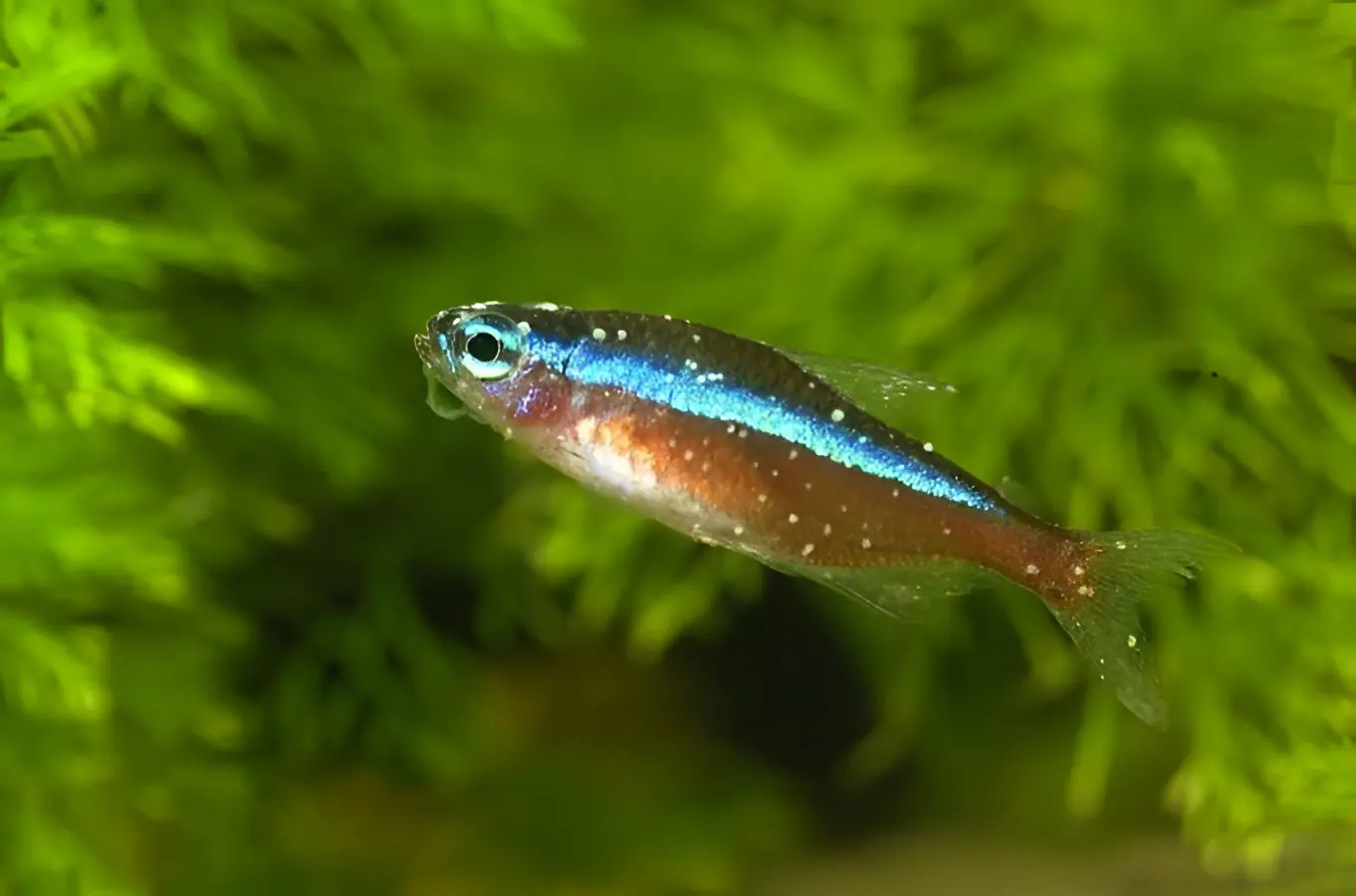
Fish with widespread white spots and severe parasitic infection requiring immediate aquatic veterinary care

When to Seek Immediate Emergency Care

Red flags that require urgent aquatic veterinary attention when your fish shows white spots; and how Veterinary AI supports each critical decision.

Widespread White Spots Covering >50% of Body

Instant Risk Scoring flags severe parasitic burden requiring immediate aquatic veterinary intervention

Labored Breathing or Gasping at Surface

Risk Scoring prioritizes gill damage from parasitic infestation; urgent care required

White Spots + Complete Anorexia for >24 Hours

24/7 Smart Triage escalates to critical urgency for systemic support; immediate vet visit

White Spots + Severe Lethargy or Unresponsiveness

Urgency Assessment recommends immediate evaluation for advanced parasitic infection

Secondary Skin Ulceration, Fin Rot, or Hemorrhagic Spots

Exportable Report documents lesion progression and co-infection signs for your aquatic vet

Mass Mortality or Multiple Fish Affected Simultaneously

Exportable Report captures all observations for your emergency aquatic veterinarian; seek care now

🚨 These signs require immediate in-person aquatic veterinary care. Veterinary AI is not a substitute for emergency medical attention. If your fish shows any of these red flags alongside white spots, do not delay; seek emergency aquatic veterinary care immediately.

TESTIMONIALS

OPYNIO Reviews Fish White Spots

When Can Veterinary AI Help You and Your Fish?

Timely, clinically-grounded support for every stage of your fish's white spot assessment

Unsure About Origin?

When your fish develops white spots and you are uncertain whether these are parasitic, fungal, or environmental in origin; and whether they require immediate treatment or simply closer observation.

Signs of Progression?

If white spots spread rapidly or your fish shows additional signs such as flashing, lethargy, anorexia, labored breathing, or skin ulceration — these may indicate advanced parasitic burden or secondary bacterial infection requiring urgent aquatic veterinary care.

Pre-Visit Preparation?

When you need clinically grounded, exportable guidance to maximize the effectiveness of your upcoming aquatic veterinary consultation; including a structured summary documenting lesion appearance and distribution, onset and progression timeline, water parameters (ammonia, nitrite, nitrate, pH, temperature), behavioral observations, and any interventions already attempted.

💡 Always trust your instincts. If you are concerned about your fish's white spots, Veterinary AI provides immediate, evidence-based assessment; but never delays seeking aquatic veterinary care when symptoms worsen, the fish shows labored breathing, anorexia, or skin ulceration. White spots can indicate serious parasitic infections requiring professional evaluation. Seek immediate aquatic veterinary care if your fish shows widespread spots, severe lethargy, labored breathing, or signs of secondary infection.

veterinary ai - Warning Signs
emergency care

When to Seek Immediate Emergency Care

Red flags that require urgent aquatic veterinary attention when your fish shows white spots; and how Veterinary AI supports each critical decision.

Widespread white spots covering 50% of body surface

Our Instant Symptom Analysis & Risk Scoring flags severe parasitic burden requiring immediate aquatic veterinary intervention.

Labored breathing or gasping at the surface

Risk Scoring prioritizes respiratory compromise and gill damage; urgent care required.

Complete anorexia with lethargy for 24 hours

24/7 Smart Triage escalates to critical urgency for systemic support; immediate vet visit required.

Secondary skin ulceration, fin rot, or hemorrhagic spots

Urgency Assessment recommends immediate evaluation for bacterial co-infection and systemic sepsis.

Mass mortality in community tank

Exportable Report documents parasite distribution and environmental parameters for your aquatic veterinarian; seek care now.

All affected fish showing severe flashing, spinning, or abnormal swimming

Exportable Report captures all observations for your emergency aquatic veterinarian; go immediately.
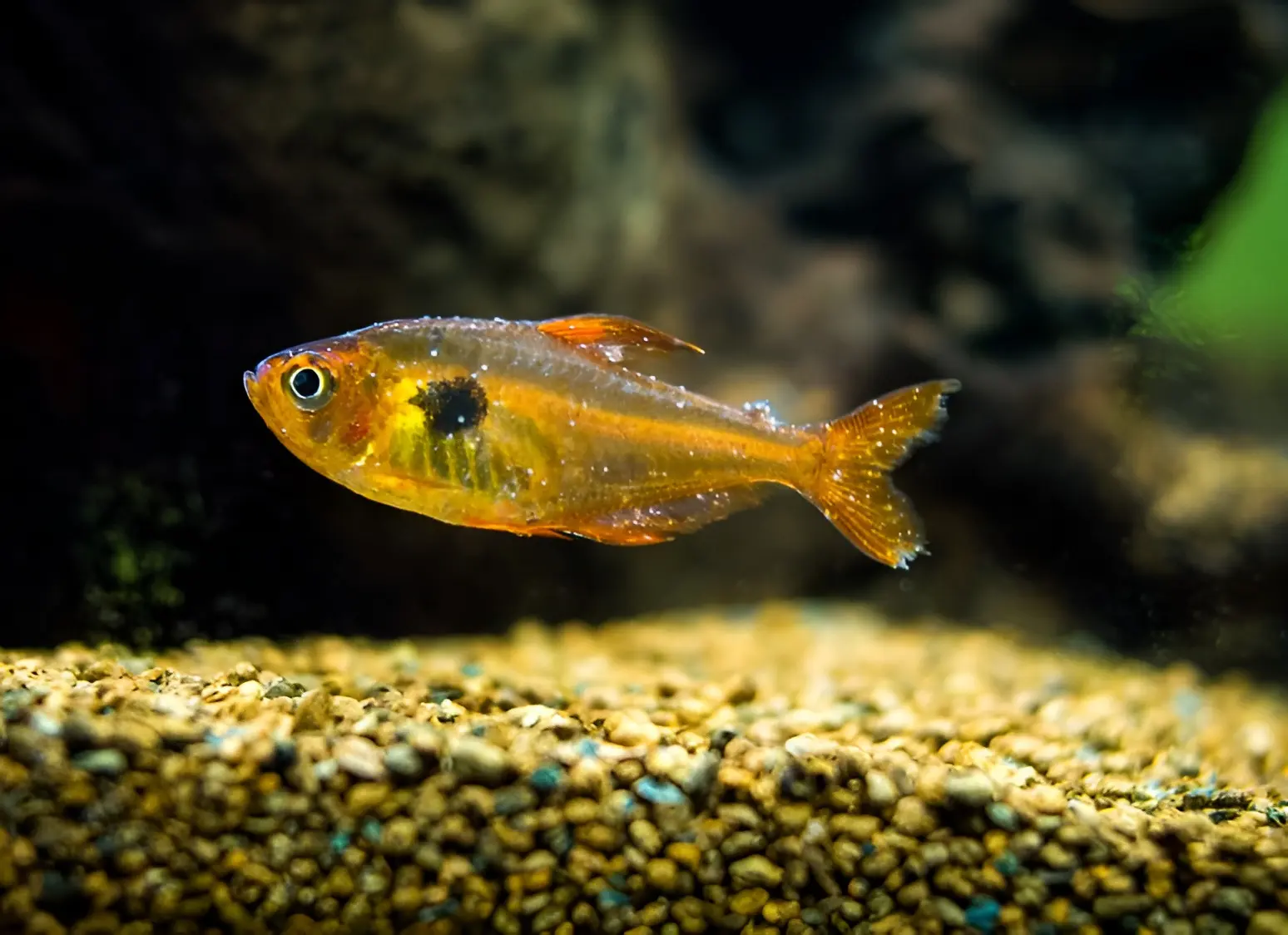
fish showing white spots

Monthly

Flexible, cancel anytime

€9.99 /month
AI symptom assessment
Emergency guidance 24/7
Preventive care reminders
Wellness monitoring
Breed-specific health tips
Unlimited conversations
Start monthly plan
SAVE 24%

Annual

Best value for your pet

€90.99 /year

Just €7.58/month

AI symptom assessment
Emergency guidance 24/7
Preventive care reminders
Wellness monitoring
Breed-specific health tips
Priority support
Start annual plan
Veterinary AI provides clinical triage support and educational information; it does not constitute a diagnosis, treatment plan, or substitute for professional, in-person veterinary care.

By submitting you agree to our Privacy Policy

Veterinary AI

AI-Powered Pet Care 24/7

More and more pet owners trust Veterinary AI for their pet's health. Get instant AI consultations, track medical records, set vaccine reminders, and access expert guidance — all from your phone. No waiting rooms, no appointments. Start now.
FAQ

Frequently Asked
Questions

Everything you need to know about white spots in aquarium fish and how Veterinary AI can help. Can't find what you're looking for?

Start Spot Assessment

Are white spots on fish always Ich (Ichthyophthirius)?

No. White spots can also indicate other parasites (Epistylis, Cryptocaryon), fungal infections, viral lesions, or even stress-related epithelial changes. Veterinary diagnosis is essential.

Can a fish survive white spot disease?

Yes. With prompt treatment (temperature elevation, antiparasitic medication, water quality optimization), most fish recover fully from Ich and similar infections.

How long does it take for white spots to disappear after treatment?

Visible spots usually disappear within 3–7 days, but full parasite elimination requires continuing treatment for 7–14 days to cover the parasite life cycle.

Are white spots contagious to other fish in the tank?

Yes. Ich and similar parasites are highly contagious. All fish in the same system should be considered exposed and may require treatment.

Should I add salt to the aquarium for white spots?

Salt can be beneficial for freshwater species (1–3 tsp/gallon) but is ineffective for marine Ich. Always confirm species sensitivity before salt application.