Veterinary AI helps you assess why your dog is scratching its ears, gauge urgency, and prepare notes for your vet, without replacing an in-person exam.
When a dog keeps scratching its ears, the most common reason is inflammation of the ear canal (otitis externa). A dog’s L-shaped ear canal traps moisture and debris easily, allowing yeast and bacteria to overgrow, often triggered by allergies, ear mites, or trapped plant material.
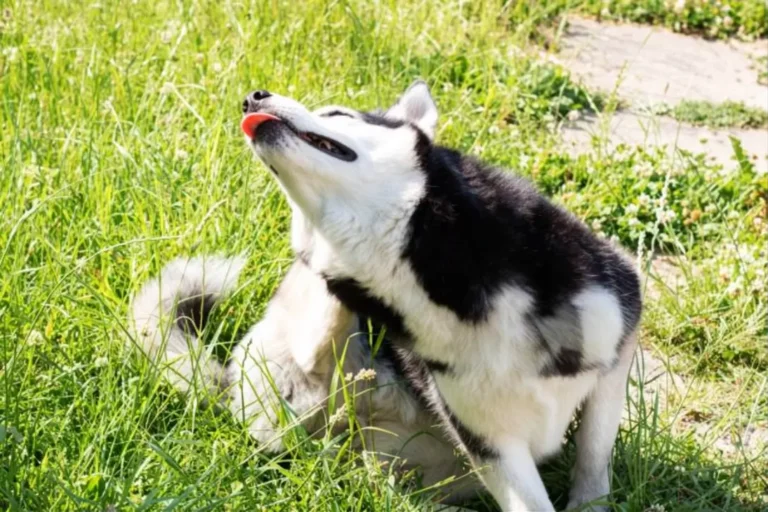
Occasional ear scratching is normal and rarely urgent. However, persistent scratching, head shaking, odor, or discharge usually signals an infection that often won’t resolve on its own. Early assessment helps prevent painful complications, such as ear flap swelling or deeper middle ear infection.
You describe what is happening to your dog, and Veterinary AI explains the most common causes, what to do at home, and when to see a vet. Finally, it prepares a summary for your consultation.
Causes range from mild irritation to infections and conditions needing prompt veterinary care.
Normal wax or dirt can cause occasional itching, especially after swimming, bathing, or outdoor play.
Food or environmental allergies often cause itchy, red ears, frequently with paw licking or skin itching.
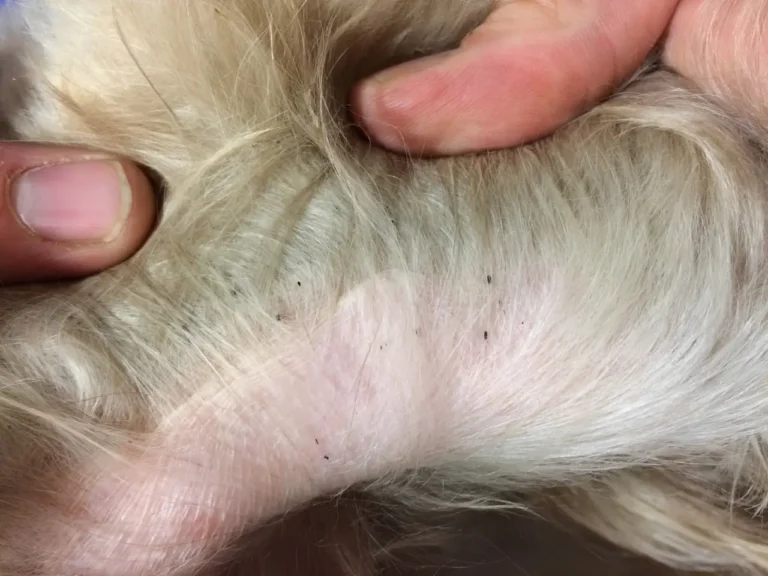
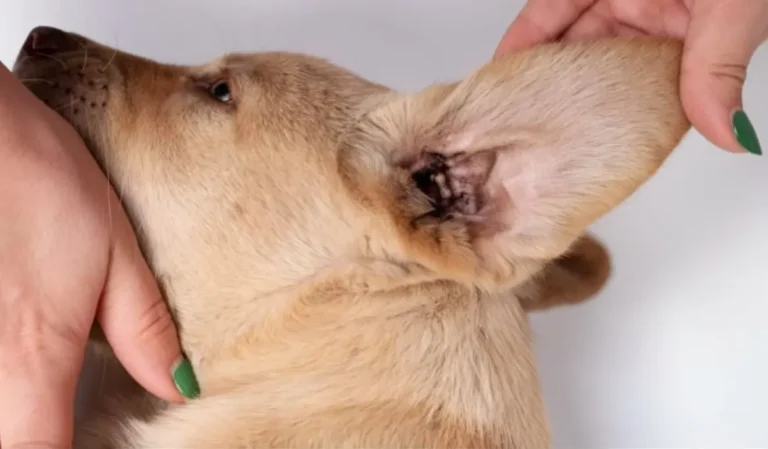
Tiny, contagious parasites causing intense itching and dark, coffee ground-like debris, most common in puppies.
Otitis externa causes odor, redness, discharge, and head shaking, especially in dogs with floppy ears.
Grass awns or seeds can lodge deep in the canal, causing sudden, violent head shaking and pain.
Deep infections, polyps, or tumors, more common in older dogs, can cause head tilt and balance problems.
Age and health change how quickly ear problems need attention. Use these thresholds to decide when to call your veterinarian.
Ear mites are common in young dogs and itching worsens fast; call your vet if scratching lasts beyond 24 hours.
Monitor mild scratching with clean ears; call your vet if it lasts beyond 48 hours or odor, redness, or discharge appears.
Older dogs and those with allergies or chronic ear disease need a vet call if scratching lasts beyond 24 hours.
These steps are safe for most dogs with mild ear scratching. Avoid putting anything deep into the ear, and call your vet if signs persist.
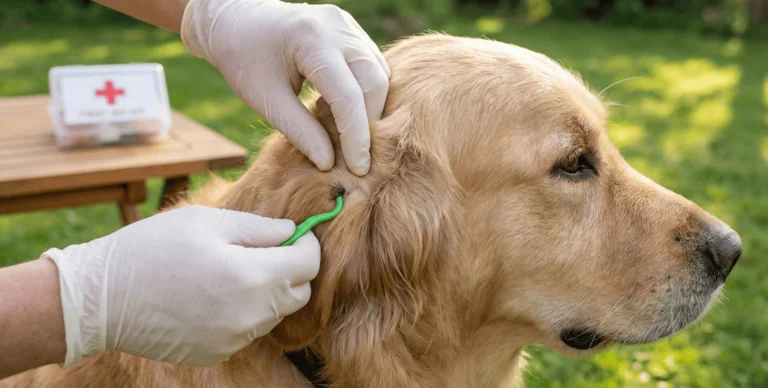
Check the ear flap and opening for redness, odor, debris, or seeds; never insert cotton swabs.
Don't use hydrogen peroxide, alcohol, vinegar, or oils; they can irritate or damage an inflamed ear.
Gently dry the outer ear after baths or swimming, since trapped moisture encourages yeast and bacteria.
Keep nails trimmed and ask your vet about a soft cone if scratching becomes intense or constant.
Look for fleas, paw licking, or itchy skin, which suggest allergies or parasites your vet should address.
Note which ear, scratching frequency, odor, discharge color, and head shaking to share with your vet.
🐶 📝 Home care is only appropriate for mild scratching without discharge, pain, or balance problems. Do not use leftover ear medications or human products, as some can harm an ear with a damaged eardrum. Your veterinarian should examine the ear before any treatment.
TESTIMONIALS
Veterinary AI supports your decisions at every stage, from first scratch to vet visit.
Answer a few structured questions about odor, discharge, and behavior to understand whether monitoring, a scheduled visit, or urgent care fits.
Track recurring episodes so patterns become clear, helping your veterinarian investigate allergies, mites, or chronic ear infections.
Prepare an organized summary of onset, affected ear, discharge, and past treatments so your appointment focuses on answers.
These signs suggest a potentially serious problem that needs same-day veterinary attention.
Contact your vet or emergency clinic today, as inner ear or neurological disease is possible; Instant Symptom Analysis & Risk Scoring flags this pattern.
Go to an emergency vet now, as vestibular disease or a stroke-like event is possible; Instant Symptom Analysis & Risk Scoring escalates urgency immediately.
Go to the emergency vet immediately, as an allergic reaction is possible; 24/7 Smart Triage & Urgency Level Assessment supports next steps at any hour.
Seek veterinary care today, as a grass awn or foreign body is possible; 24/7 Smart Triage & Urgency Level Assessment confirms your urgency level.
Contact your vet or emergency clinic right away, applying gentle pressure with a clean cloth; an Exportable Clinical Summary Report records the injury and timeline.
Book a same-day vet visit, as an aural hematoma needs treatment; an Exportable Clinical Summary Report documents scratching history for your vet.
Flexible, cancel anytime
Best value for your pet
Just €7.58/month
Thanks for your interest in Veterinary AI. We'll notify you as soon as your AI consultation is ready. Check your email for confirmation.
More and more pet owners trust Veterinary AI for their pet's health. Get instant AI consultations, track medical records, set vaccine reminders, and access expert guidance — all from your phone. No waiting rooms, no appointments. Start now.
Everything you need to know about ear scratching in dogs and how Veterinary AI can help. Can't find what you're looking for?
Contact UsAllergies, foreign bodies, or ear mites can cause itching without visible infection. A veterinary exam is needed for accurate diagnosis.
No. Human ear drops may contain ingredients toxic to dogs and can worsen inflammation. Only use veterinarian-approved products.
Routine cleaning depends on breed and ear conformation. Floppy-eared dogs may need weekly cleaning; consult your veterinarian for specific recommendations.
Signs include redness, swelling, odor, discharge (brown, yellow, or bloody), head shaking, and pain when touched. Veterinary examination confirms diagnosis.
Yes. Chronic scratching can lead to aural hematomas, ear canal stenosis, or middle ear infection. Early veterinary intervention helps prevent complications.